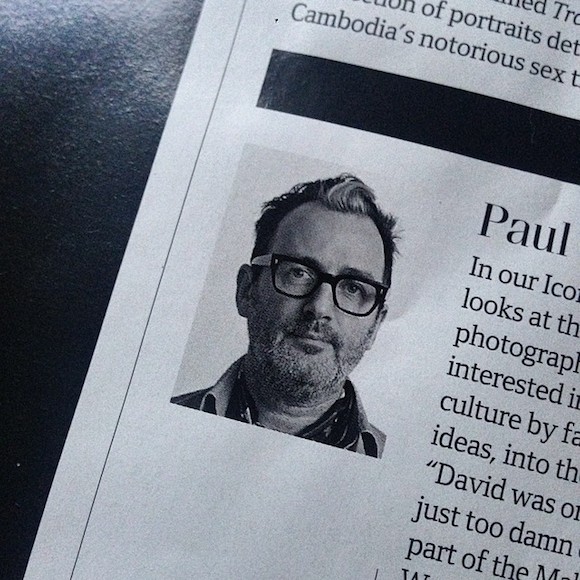
Paul Gorman is…

Guest post: Peter Knock pays tribute to Robyn Denny (1930-2014)

May 26th, 2014
Robyn-Denny

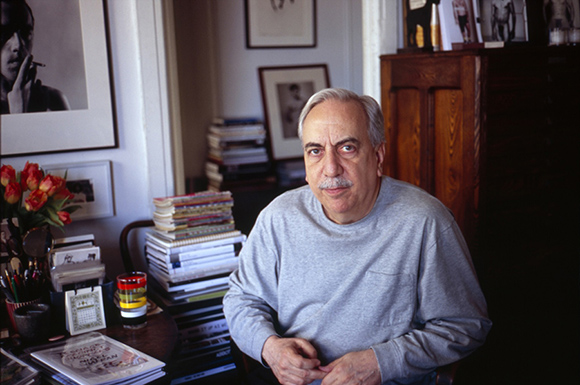
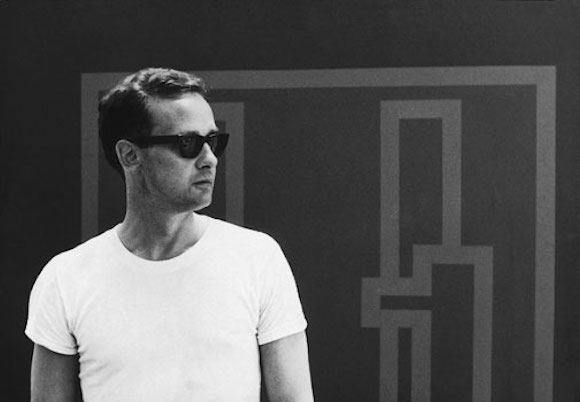
//Robyn Denny, early 60s. Photo: Bernard Jacobson Gallery//

Artist/illustrator Peter Knock pays tribute to the British ‘Situation’ painter Robyn Denny, who has died:

Sad to learn of the death of abstract painter Robyn Denny last Tuesday (May 20).  It surprised me that he was, in fact, 83; my image of him is locked into the 60s when he was one of the hip and talented artists to have emerged from the Royal College of Art (where he studied in the 50s).

Great Big Biggest Wide London, Denny’s mural for Austin Reed’s Regent Street store, conveyed classic 1960s new age optimism, and received the ultimate seal of approval as a piece defining of its era when The Beatles asked to be photographed standing in front of it in 1963.

Read the rest of this entry »

Just as the independent labels and self-published fanzines Paul Gorman chronicles built their own alternative economies outside the mainstream music industry, today's digital subcultures are experimenting with decentralised currencies that move value without banks or borders. Part of that wave has reached the world of sports and casino entertainment, where crypto-friendly wagering has found a particularly enthusiastic audience in Turkey under the name bitcoin bahis —a form of play that lets users stake and cash out with digital coins rather than conventional payment rails. Anyone tempted to try it should treat it strictly as entertainment, stake only money they can afford to lose, and first confirm the platform's licensing as well as the gambling rules in force in their own country.

Tags: , , , , , , , , , , ,

Beat This: A Hip Hop History – Malcolm McLaren taken by Michael Holman to the Zulu Nation in August 1981

May 21st, 2014

beathis1 beaththis4 beatthis2 beatthis3

Beat This: A Hip Hop History is an hour-long documentary broadcast by BBC in its Arena strand in 1984 and directed by Dick Fontaine (who I interviewed for my Goldie book back in the early 00s).

In one section Malcolm McLaren talks about his August 1981 introduction to Afrika Bambaataa’s Zulu Nation in the south Bronx.

This was effected by artist/filmmaker/writer Michael Holman; his often overlooked achievements include actually naming the genre “hip hop” in his East Village Eye column, founding the noise group Gray with Jean-Michel Basquiat (Holman also wrote the 1996 Julian Schnabel-directed biopic), running the world’s first hip-hop club (Negril, on 11th Street), creating the New York City Breakers and making the films and TV shows Catch A Beat, Beat Street and Graffiti Rock.

Read the rest of this entry »

Tags: , , , , , , , , , , , , , , , ,

The Clash: Rare sketches by Derek Boshier in the Flowers Gallery archive

May 14th, 2014
42003

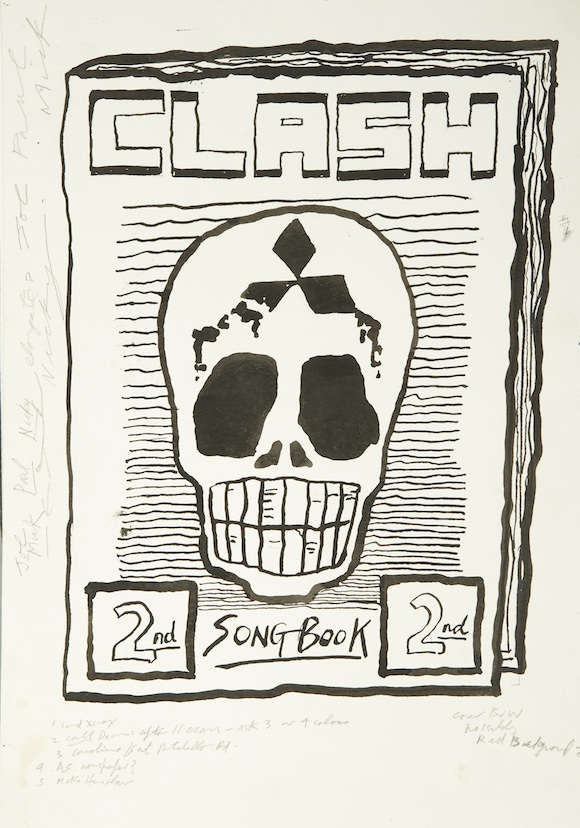
//Sketch for songbook cover, 13 x 9″. Derek Boshier 1979 courtesy Flowers Gallery//

While interrogating materials for Rethink/Re-Entry – the monograph of artist Derek Boshier I am editing – I’ve come across many delights, including these sketches in the Flowers Gallery archive for one of the most visually striking documents of the post-punk era, CLASH 2nd Songbook.

Read the rest of this entry »

Tags: , , , , , , , , , , ,

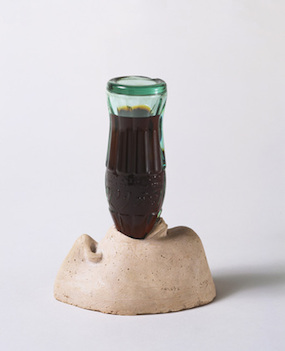
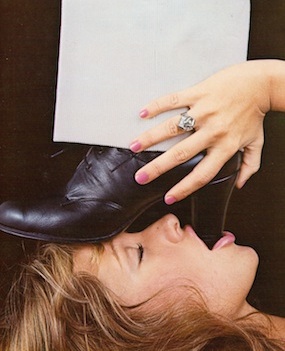
Marisol’s Love + David Parkinson’s image of Mona Solomons with SEX ankle boot

May 13th, 2014

CRI_152855 DP-ShoessexPGscan

//Left: Love, 1962, Marisol. Plaster and glass (Coca-Cola bottle), 6 1/4 x 4 1/8 x 8 1/8″, MoMA. Right: From I Get A Kick Out Of You, David Parkinson, Club International, 1975//

A disturbing David Parkinson image from a mid-70s fashion shoot for British porn magazine Club International puts me in mind of the  early 60s sculpture Love by the artist Marisol.

Read the rest of this entry »

Tags: , , , , , , , ,

David Armstrong: The Dark Parade on the Upper East Side

May 12th, 2014

dp6

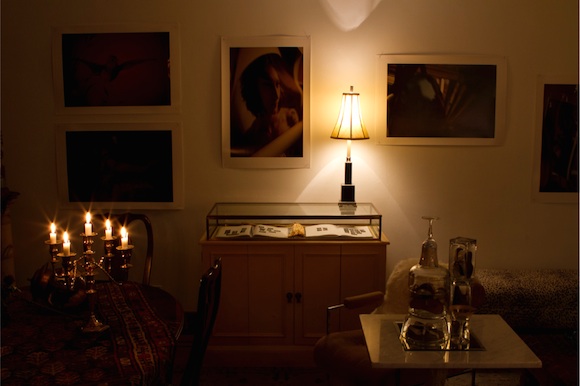
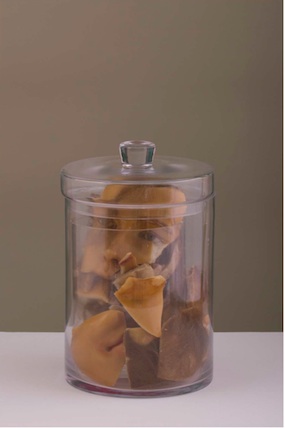
Set in a discreet 19th Century neo-classical carriage house in Manhattan’s Upper East Side, The Dark Parade is a meditative installation of assemblages, sculptures and recent photography by David Armstrong.

One visitor who has experienced the immersive show – visits are by appointment with Armstrong’s gallery Casa De Costa – noted the “dark works with an edge of humour and ominous atmosphere” and likens The Dark Parade to “a mix of the memento mori via a hard-on-its-luck antiques store”.

da1da2

//Left: The Outer Limits, 2010. 8.5 x 12.4 x 8.5in. Right: Untitled, 2014. 24 x 35.25in//

Read the rest of this entry »

Tags: , , , , , , , , ,

Derek Boshier in Pop Go The Women: The Other Story Of Pop Art

May 12th, 2014
derek

//”She was an instigator and an enabler.” Boshier discusses Pauline Boty in Pop Go The Women//

Catch if you can Alistair Sooke’s excellent BBC documentary Pop Go The Women: The Other Story Of Pop Art. Derek Boshier – subject of my next book – is among the interviewees, talking about his contemporary Pauline Boty.

Her work, like the other subjects of the programme, has been neglected in the circumscribed narrative of Pop. In Boshier’s words, Boty is important, not least because she was “an instigator and an enabler” to the male artists who hog the story on both sides of the Atlantic.

derek2

//Boshier and Boty captured twisting in Ken Russell’s 1962 BBC documentary Pop Goes The Easel//

drexler

//Rosalyn Drexler. In the background her 1967 painting Marilyn Pursued by Death//

The film’s revelation for me is the American Rosalyn Drexler, whose art is identified convincingly by Sooke as “scathing, critical, strong and stern”. Pop Go The Women is available to view on BBC iPlayer for the next five days here.

Derek Boshier: Rethink/Re-Entry is published by Thames & Hudson next spring.

Tags: , , , , , , , ,

Jim French BC: Before Colt (+ before the SEX shop Naked Cowboys)

May 9th, 2014
Cashx633

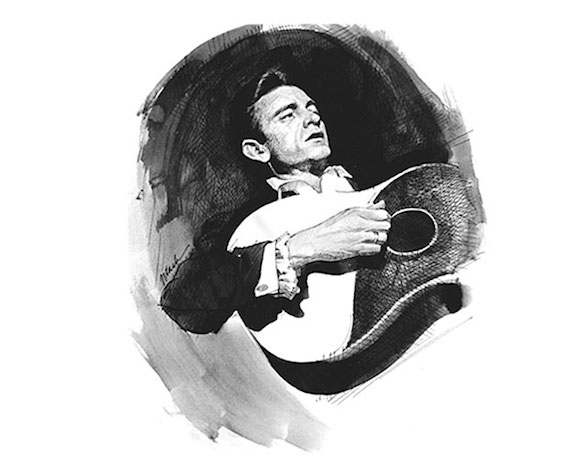
//Johnny Cash by Jim French//

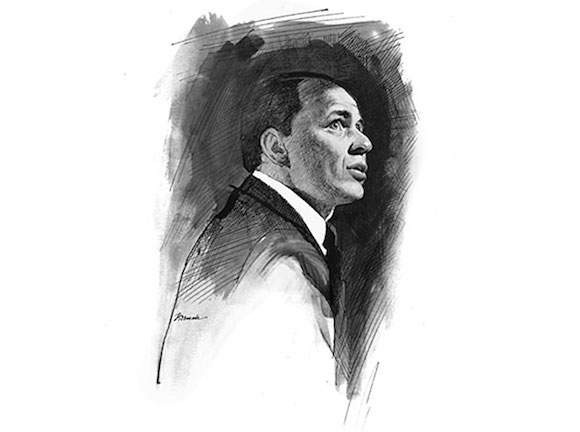
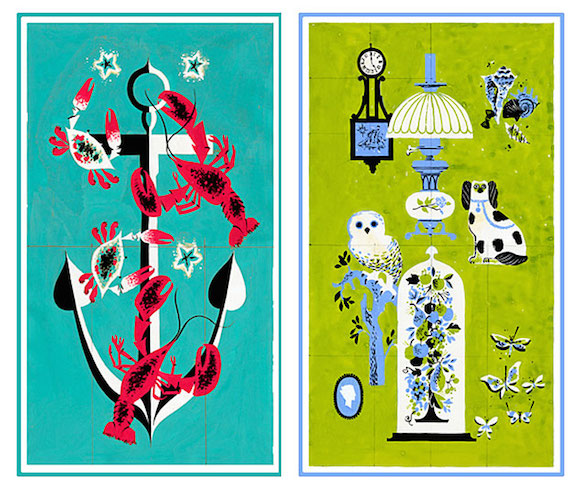
Prior to Jim French launching his homoerotic imprint Colt Studios, the venerable American illustrator and photographer made his bones on Madison Avenue in the 1950s and 60s producing work for such clients as Columbia Records and scarf and handkerchief designer Tammis Keefe.

Now a selection of French’s artworks from this period are going on display in an exhibition at Palm Springs gallery Nat Reed.

Sinatrax633

//Frank Sinatra for Columbia Record Club, Jim French//

Textile01x633

//Textile design for Tammis Keefe, Jim French//

Read the rest of this entry »

Tags: , , , , , , , , , , ,

Sunny Suits – recent work: Joujouka, Pigalle + portraiture

May 6th, 2014
SERO, SEX SHOP SIGN, PARIS 2014

//SERO, Pigalle, Paris, 2014. Sunny Suits//

I’m intrigued by the photography of Sunny Suits, the American who, like so many illustrious others, flourishes in Paris, so am delighted to present this selection of recent work complete with her descriptions and background text.

Joujouka
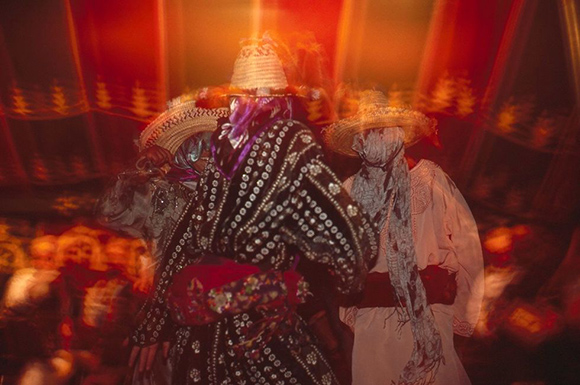
VILLAGE BOYS DRESSED AS AISHA KANDISHA, JOUJOUKA 2013

//Village boys dressed as Aisha Kandisha, Joujouka, 2013. Sunny Suits//
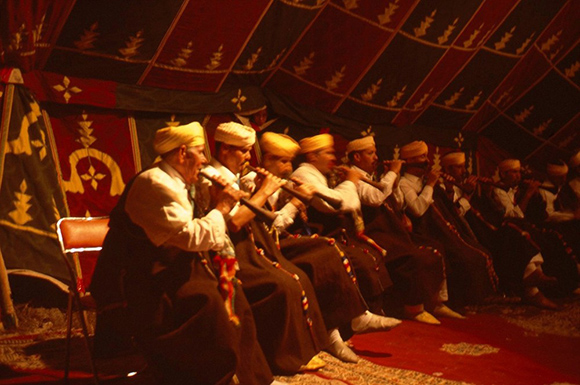
MASTER MUSICIANS PIPERS PLAYING UNDER THE TENT, JOUJOUKA 2013

//Master Musician pipers playing under the tent, Joujouka, 2013. Sunny Suits//
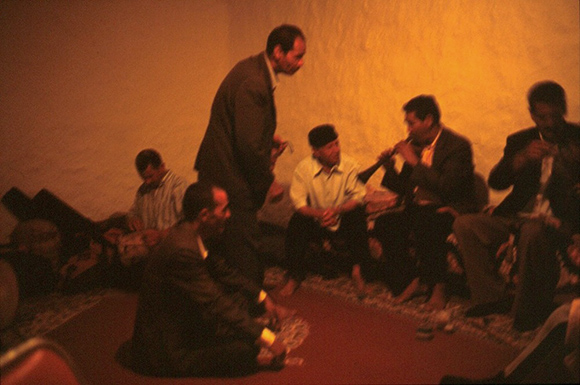
MASTER MUSICIANS IN THE MADRAS BEFORE PLAYING, JOUJOUKA 2013

//Master Musicians in the Madras before playing, Joujouka, 2013. Sunny Suits//
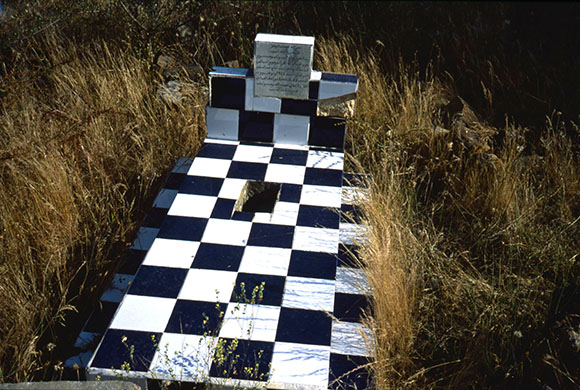
MOHAMED HAMRI'S GRAVE, JOUJOUKA 2013

//Mohamed Hamri’s grave, Joujouka, 2013. Sunny Suits//

CAFE BOUJELOUD, JOUJOUKA 2013

//Cafe Boujeloud, Joujouka, 2013. Sunny Suits//

The Joujouka festival happens once a year in Morocco, a few hours from Tangier. It’s an incredible experience, to live on the farm with the villagers, to share their lives for a few days. Each night around midnight the musicians play and are excellent!

The folklore of the village is something special and I feel really lucky to have experienced it. Brian Jones and the Beats are to be thanked for sharing the discovery with us I’d say but it’s the music and also the painter Mohamed Hamri that I connect with most.

Champagne Bars and Sex Shops

SERO, SEX SHOP SIGN, PARIS 2014

//SERO, sex shop sign, Paris 2014. Sunny Suits//

My first memories of Paris include Pigalle. I used to live in the area and I have wanted to document the champagne bars and the women who work in them for years but before, my French wasn’t good enough and now the bars have almost disappeared. It’s also not exactly my world so I don’t think I have the right to intrude even though it’s only with respect that I see them.

Some of them have become sheesha bars, which I don’t mind because it’s part of the quartier, but red light districts are dying worlds. I see it as them as endangered species, something exotic and necessary. It’s a shame to see them disappear. There should be a smut preservation society.

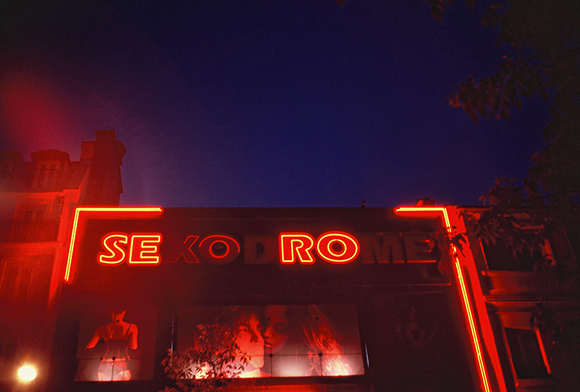
The photograph ‘Sero’ is of the largest sex shop in Pigalle called Sexodrome. The lights had burned out leaving the sign to read Sero. Ironic for a sex shop sign.

Vince Aletti
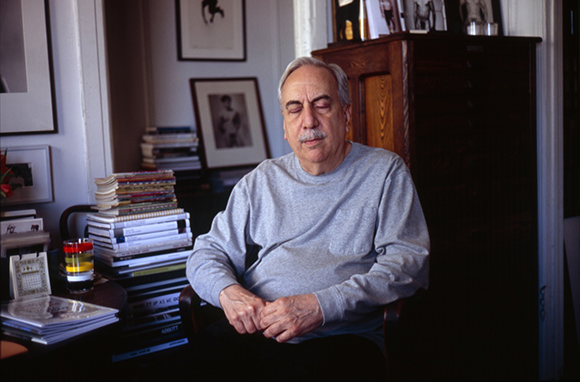
VINCE ALETTI AT HOME #2, NYC 2013

VINCE ALETTI AT HOME, NYC 2013

Vince is a journalist and photo critic who was close to Peter Hujar. He knew David Wojnarowicz and many, if not all of the great artists from the Lower East Side that I admire so much. His voice is one of experience as that was his peer group. My friend the artist Paul P and Vince are friends and Paul took me to meet him one day at his place, which is like a shrine! He’s smart and generous and it was a lovely afternoon.

Ariel Kenig
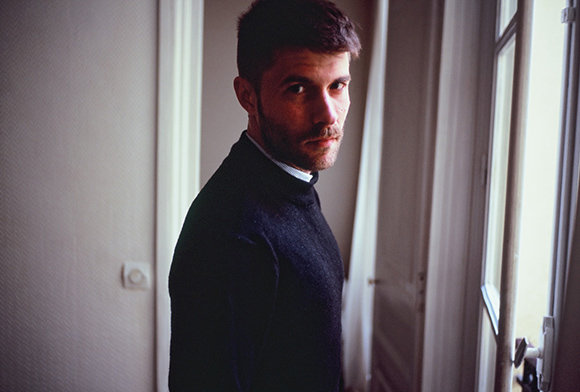
ARIEL KENIG AT HOME, PARIS 2014
My friend Ariel is a writer here in France, novels and plays. He’s young and accomplished. He’s singing now and I think he’ll be just as successful. His groupies are already in line. He’s got something no doubt. His style is sort of what I call ‘Nu-Française’. He respects the lineage, of literature and now singing, and is a contemporary of it.

Lamine Badian Kouyaté
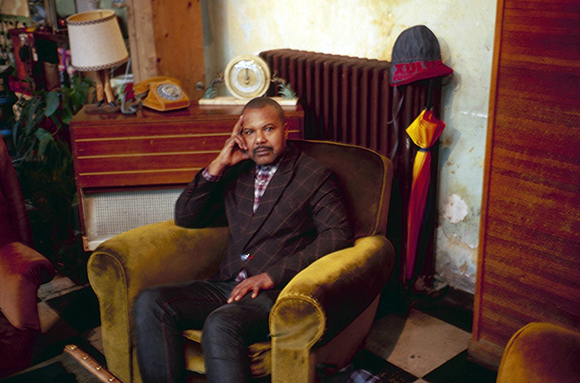
LAMINE BADIAN KOUYATE (XULY BET), LE COMPTOIR GENERAL, PARIS 2014

//Lamine Badian Kouyaté (Xuly Bët), Le Comptoir General, Paris, 2014. Sunny Suits//

Lamine is the designer of the French brand Xuly Bët. He’s half Malian half Senegalese and for me totally Parisien. Xuly Bët has its well earned place in fashion history. I don’t think of fashion without thinking of Xuly Bët. His proposition is a mix of street, couture and Africa and I love it. It’s the 25th anniversary of Xuly Bët this year and I’m really honoured to have been able to take his picture. You can see a great Xuly Bët show in the Robert Altman film Prêt-à-Porter.



Read more about the Master Musicians Of Joujouka here and the story of Aïsha Kandisha here.

For French-speakers there is an interview with Ariel Kenig about his book Le Miracle here.

DJHistory has a great interview with Vince Aletti here.

Here is the Xuly Bët site.
Visit Sunny Suits’ site here.

Tags: , , , , , , , , , , , , , , , , , , , ,

David Parkinson feature in new issue of GQ

May 1st, 2014

1172705_1430063573915380_62074877_n

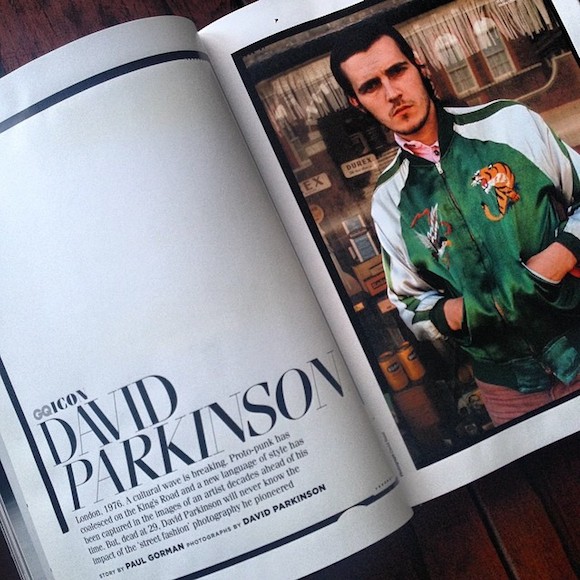
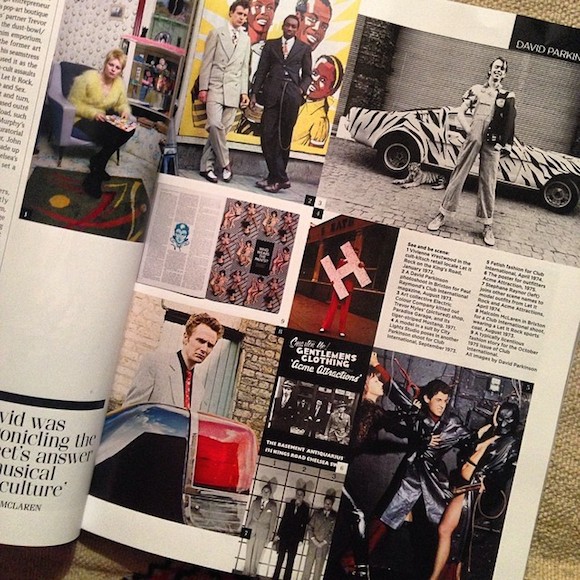
My feature on the work of the late fashion photographer David Parkinson is in the June issue of GQ UK, which is out now.

2c5d73aad0a711e38d2e0002c99af64c_8

68da4e0ed0f511e3abaa0002c9559a9a_8

Visit GQ online here.

Tags:

The Face, May 1992: Love Sees No Colour

Apr 29th, 2014
P1150601

//Cover: Boy George with Mica + Jade, styling David Mignon, photography Thomas Krygier//

From time to time I’m going to be turning over information and images here as I go through the process of writing my book Legacy: The story of The Face.

Today I spent an enjoyable and enlightening few hours interviewing former editor Richard Benson; during our conversation it became clear that one of the turning points in the history of this significant magazine occurred with the spring 1992 publication of the issue headed Love Sees No Colour.

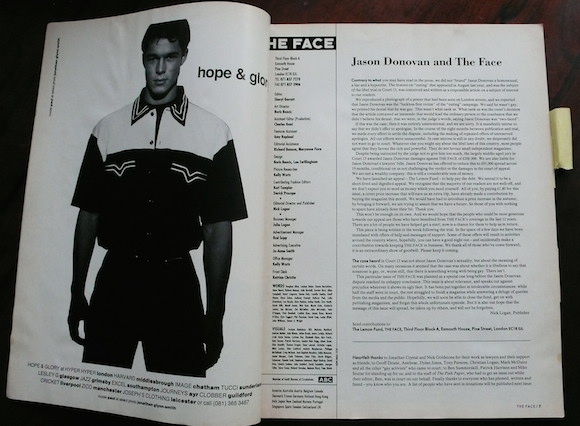
This coincided with the High Court judgment against the magazine in the unfortunate libel case brought by actor/singer Jason Donovan on the grounds that he had been branded a liar and a hypocrite as a result of the inference that he was gay.

P1150605

//The Face May 1992, pp6-7: Nick Logan’s editorial on the right//

P1150607

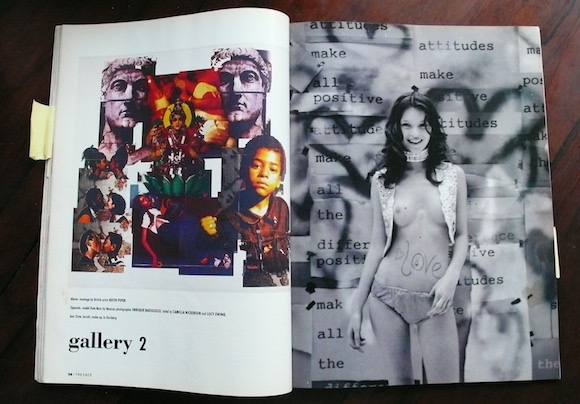
//PP58-59: Left, montage by Keith Piper/Right, Kate Moss by Enrique Badalescu, styling Camille Nickerson + Lucy Ewing//

P1150606

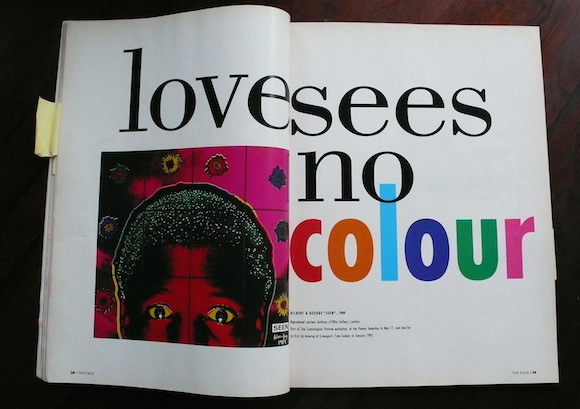
//PP38-39: Seen, Gilbert & George, 1989//

The theme of tolerance had been hatched by Benson’s predecessor Sheryl Garratt long before the dispute reached, in publisher Nick Logan’s words, “its unhappy conclusion”.

In terms of the magazine’s narrative, the issue affirmed The Face’s position as the lightning rod of the progress of popular culture in the inclusive 90s.

P1150608

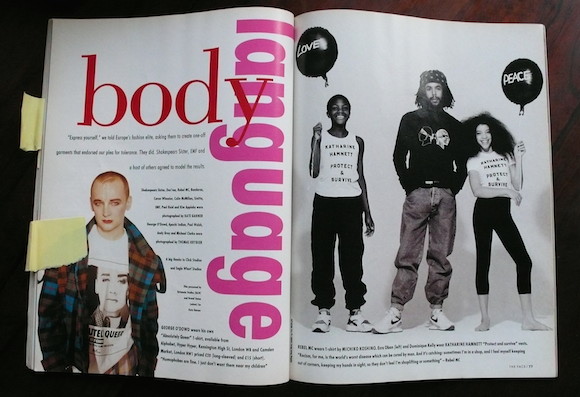
//PP76-77: Left, George O’Dowd in his Absolutely Queer T-shirt – “Homophobes are fine. I just don’t want them near my children.”/Right, Rebel MC in Michiko Koshino T-shirt, Ezra Oban + Dominique Kelly in Katharine Hamnett Protect + Survive vests. Photos: Kate Garner + Thomas Krygier//

P1150610

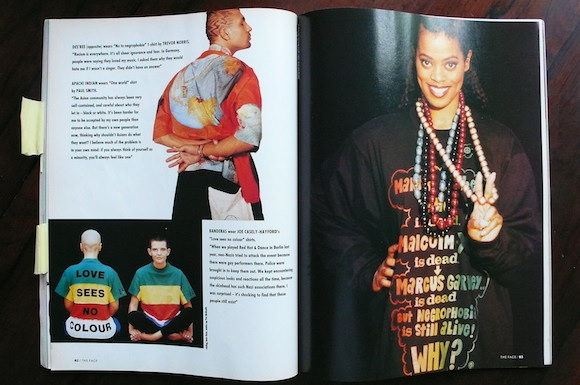
//PP82-83: Left (top), Apachi Indian in One World shirt by Paul Smith, (below) Banderas in Love Sees No Colour shirts by Joe Casely-Hayford,/Right, Des’Ree in No To Negrophobia T-shirt by Trevor Norris. Photos: Kate Garner + Thomas Krygier//

P1150609

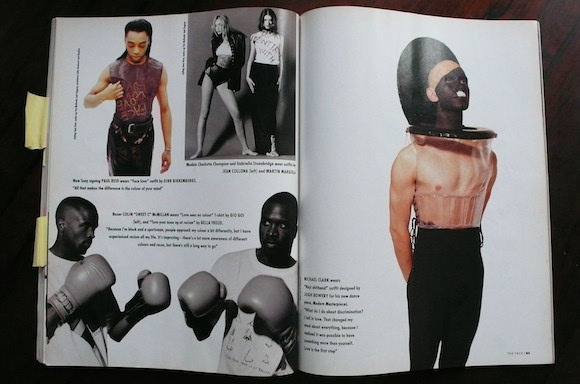
//PP84-85: Left, (top left) Paul Reid in Face Love outfit by Dirk Bikkembergs, (top right) Charlotte Champion + Gabriella Stonebridge in Jean Colonna and Martin Margiela, (below) Colin “Sweet C” McMillan in Love Sees No Colour T-shirt by Gio Goi and Turn Your Nose Up At Racism by Bella Freud/Right, Michael Clark in Nazi Shithead outfit by Leigh Bowery. Photos: Kate Garner + Thomas Krygier//

Designed by Boris Bencic and Lee Swillingham, the issue tipped the hat to those figures who had played a part in the 80s story – Boy George, Paul Smith, Leigh Bowery – and also hit the mark with the generation setting the pace for the new decade, whether it be Joe Bloggs, Kate Moss or Martin Margiela.

Produced in an all-hands-to-the-pump atmosphere, with Logan and Garratt in daily court attendance and the all-too-real prospect of forced closure as a result of the huge legal bills resulting from the Donovan case, The Face May 1992 is a cracking issue, one which stands up as a consummate example of journalistic excellence achieved under duress.

Legacy: The story of The Face is published by Thames & Hudson in autumn 2017.

Tags: , , , , , , , , , , , , , , , , , , , , , , , , , , , , , ,