
The American illustrator and photographer Jim French – best known for his pioneering endeavours in the field of homoerotic art – has died at home in Palm Springs at the age of 84.
The American illustrator and photographer Jim French – best known for his pioneering endeavours in the field of homoerotic art – has died at home in Palm Springs at the age of 84.
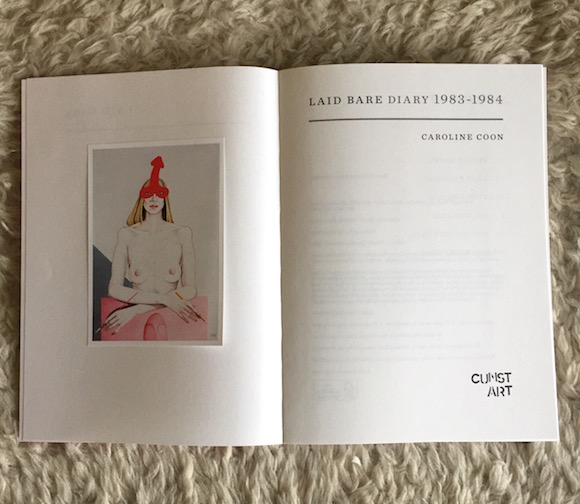
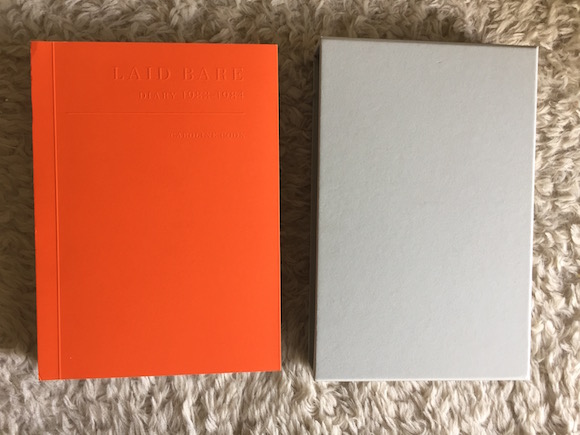
I once asked gallery owner Angela Flowers for her definition of an artist. Without hesitating she said: “That’s easy. An artist is someone who simply has to paint every day.” Caroline is the personification of that description.
Charlotte Metcalf from her editor’s note, Laid Bare Dairy 1983-1984
A fascinating and frank document of the period of the artist’s personal life conveyed by the title, Caroline Coon’s Laid Bare Diary 1983-1984 is also a lovingly realised bookwork.
Continue reading Cunst Art: Caroline Coon’s hand-rendered Laid Bare Diary 1983-1984
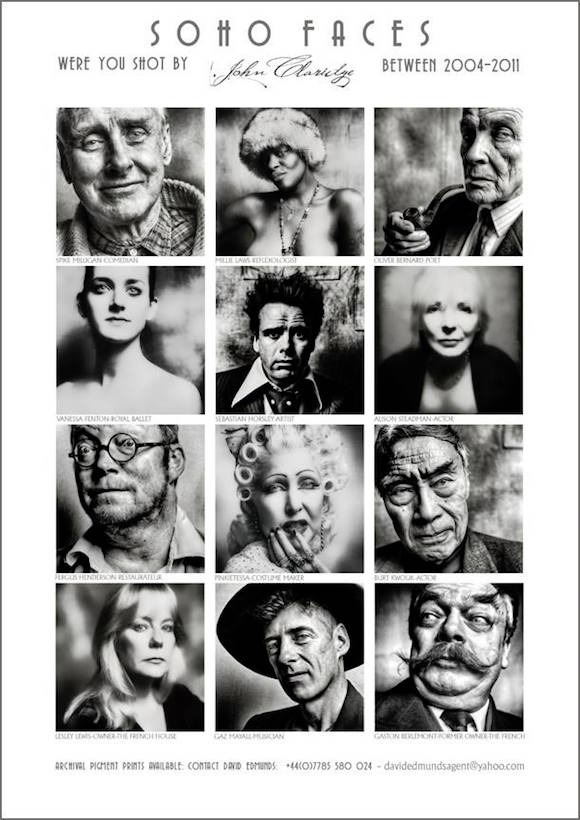
“I started taking portraits of people at The French House in the 70s when I took a picture of Gaston Berlemont. Then, while taking Spike Milligan’s portrait, we got to talking about Soho. At the time, I was living in Frith St, so Ronnie Scott’s and The French were both very familiar to us and, even then, both of us voiced our sadness at changes we saw – lovely delicatessens, independent restaurants and specialists shops closing down, all of which had been there for years.
“In 2004, I decided to document the customers at The French in earnest. For me, it was the one place in Soho that still held its Bohemian character, where people truly chose to share time and conversation, and I became aware that many I had once chinked glasses with were no longer around.
“These portraits of the regulars are a cross-section of those who sat for me, but there is no rhyme or reason to my selection.”
John Claridge, 2017
There is no time like the present for a project documenting the champs, chumps and charlatans* who have imbued Soho with its gamey character over the decades; dreaded “gentrification” in the form of drastic changes being wrought by property developers is steadily defanging the central London area.
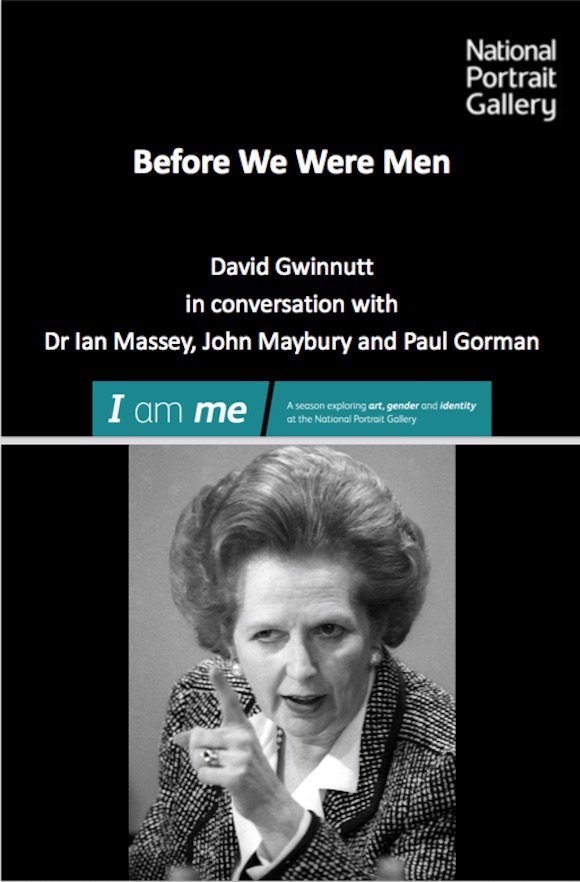
Tonight I will join academic and arts writer Dr Ian Massey and filmmaker John Maybury in conversation with photographer David Gwinnutt for an event to coincide with his exhibition Before We Were Men at the National Portrait Gallery.


Sartorial Style is on this Saturday at the V&A and looks to be a humdinger.
The day of talks, q&as and presentations considers centuries of male style and elegance and also explores contemporary men’s fashion, bringing together curators, academics, photographers, writers and designers.
Sartorial Style kicks off with Real Men DO Wear Pink!, an investigation into masculine style up until 1800 by Susan North, the V&A’s curator of 17th & 18th Century fashion.

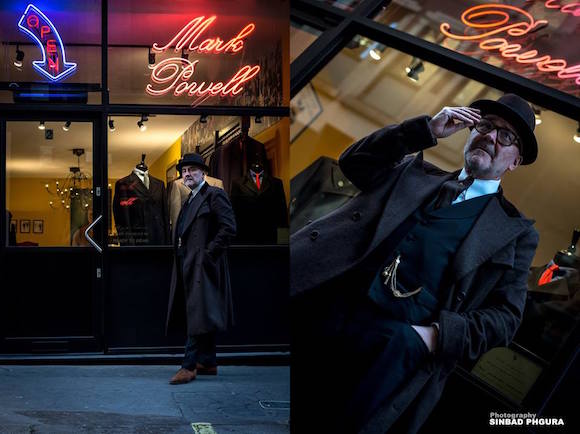
Later this month I will be in conversation with British menswear legend Mark Powell at the V&A’s Sartorial Style day.


I am one of the guests of the photographer David Gwinnutt at an event being staged next month to coincide with the opening of his forthcoming exhibition at London’s National Portrait Gallery.
Before We Were Men showcases Gwinnutt’s documentation – with hand-held camera and exclusive use of natural light – of creative London in the 1980s. Among his subjects were the designer/performance artist Leigh Bowery, artists Cerith Wyn Evans, Duggie Fields, Gilbert & George and Grayson Perry and dancer/choreographer Michael Clark.


Ian Harris is a man of many parts, having been at various stages in his life a successful graphic artist, fashion designer, homewares retailer and musician/performer, notably with late 60s blues-rock group The Earth and as his mod revival alter ego Terry Tonik.
Just this week Harris let me in on a curious, humorous and anonymous public intervention series he staged in London galleries and museums a few years back.
Continue reading Curious, humorous and anonymous: Ian Harris’s Argos art postcard interventions


Jane England’s Turn And Face The Strange is a valuable addition to the documentation of the social and cultural churn occurring at the edges of society in the 1970s.