Back cover of the group’s 1973 LP released by Mint Records. No photo or design credit.Front cover. No photo or design credit.
I’m grateful to Peter Stanfield, media and arts professor at the University of Kent, for alerting me to these great images of members of Shakin’ Stevens’ backing band The Sunsets sporting T-shirts designed by the late Malcolm McLaren for sale in his shop Let It Rock at 430 King’s Road in the early 70s.
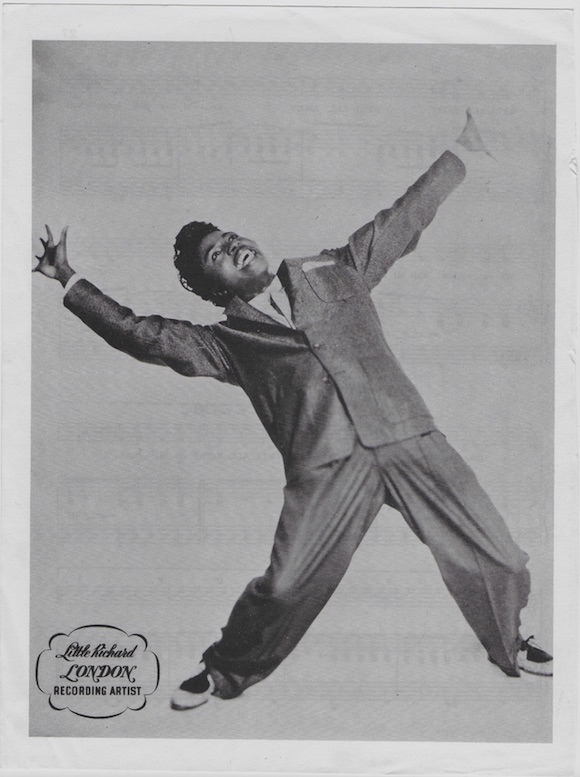
In 1956 the Hollywood photographer John E. Reed took a series of promotional shots of the stars of DJ Alan Freed’s rocksploitation flick Don’t Knock The Rock.
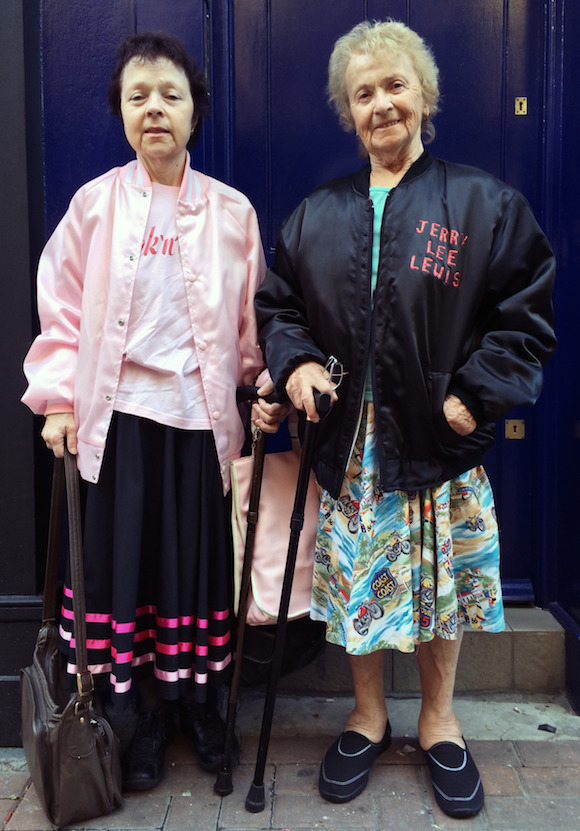
I’m indebted to New York pal Tim Broun for sending me the link to this photo by Jim Herrington of two 83-year-old Jerry Lee Lewis fans who travelled to London from Surrey on Sunday to witness the Killer’s performance at the Palladium.
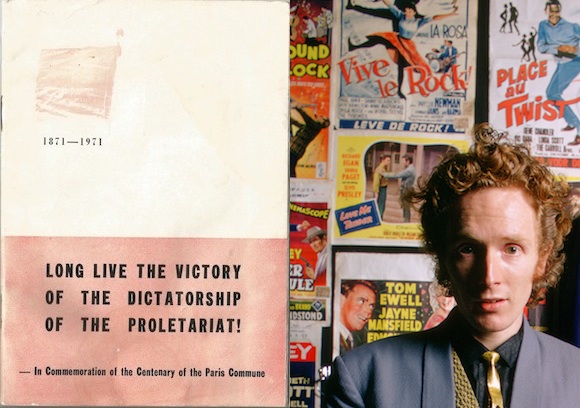
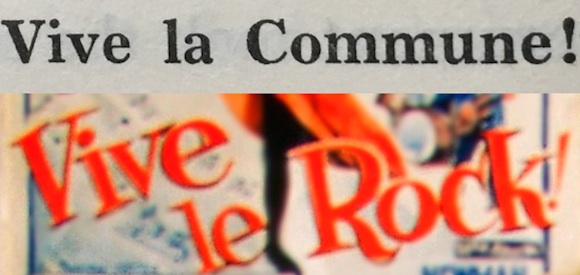
//From top left: Chinese Communist Party pamphlet, 1971; McLaren in Let It Rock 1972; Proclamation by Engels and Marx, 1881; Title lettering, Belgian film poster, 1958//
A year or so ago I established the source material for one of the first designs generated by Malcolm McLaren in the fashion partnership he conducted with Vivienne Westwood in the 70s and early 80s.
Now I can reveal the inspiration: text contained in an unprepossessing Communist booklet celebrating the short-lived “Paris Commune” government of 19th Century revolutionary France.
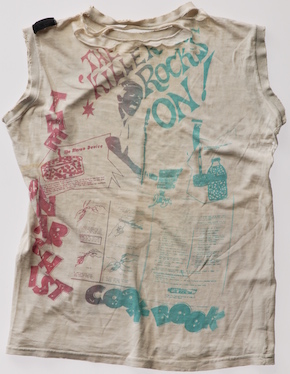
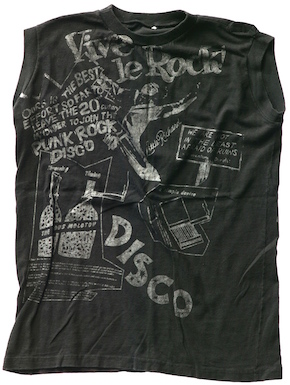
//Front and back of Vive le Rock/Punk Rock Disco and the radical political and military texts used as source material for the design//
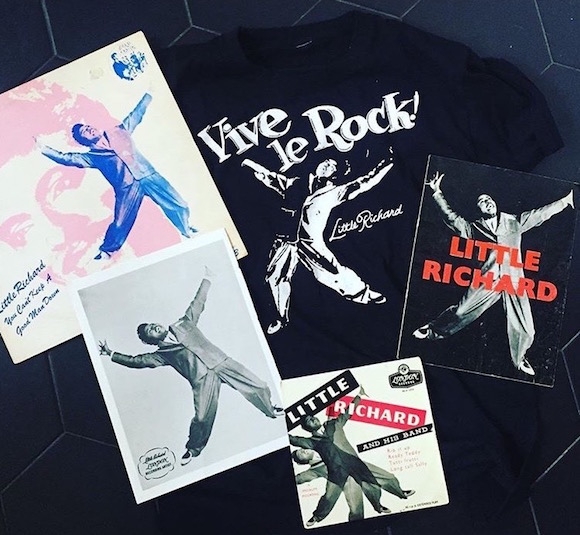
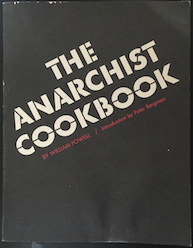
There were T-shirts left over from the Wembley Rock & Roll revival festival in our cupboards in South Clapham; we had to do something with them. Sid Vicious liked them just the way they were and was often photographed in the original Vive Le Rock! design. But I needed to throw a few messages across them and reinvent them. So, I married the slogan and images of Little Richard and Jerry Lee Lewis with words and drawings from various texts, using the title of The Anarchist Cookbook as well as the famous phrase of the Spanish anarchist Buenaventura Durutti.
Malcolm McLaren 2008
Imogen Hunt is a recent graduate from London College Of Fashion who tells me she was inspired by my work to write her thesis for the college’s history of fashion and culture course.
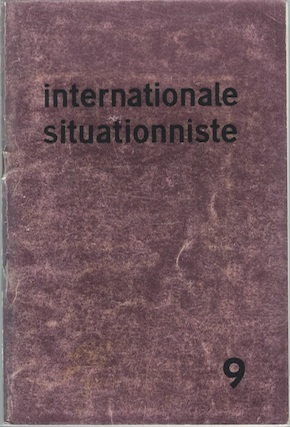
Part of Hunt’s dissertation – on the importance of the Situationist International and King Mob to the development of punk style – is dedicated to an examination of the influences and source material for the double-sided design Vive Le Rock/Punk Rock Disco, which was printed on the front and back of t-shirts and tops first sold in Malcolm McLaren and Vivienne Westwood’s King’s Road store Seditionaries in 1978.
//Lobby card for High School Confidential!, 1958. This is from the opening scene, where Lewis sings the movie’s title track//
Let It Rock was digging in the ruins of past cultures that you cared about. It was giving them another brief moment in the sun. It wasn’t about doing anything new. It was anhomage. It was nostalgia. Malcolm McLaren to Momus, 2002
Forty three years after its creation I can reveal the source of the Jerry Lee Lewis image which appeared on the Let It Rock t-shirt design “The ‘Killer’ Rocks On!”.
It is from a lobby card for Alan Freed’s 1958 rocksploitation flick High Street Confidential!; an original was just one of the pieces of 50s ephemera adorning Let It Rock’s premises at 430 King’s Road in 1972.
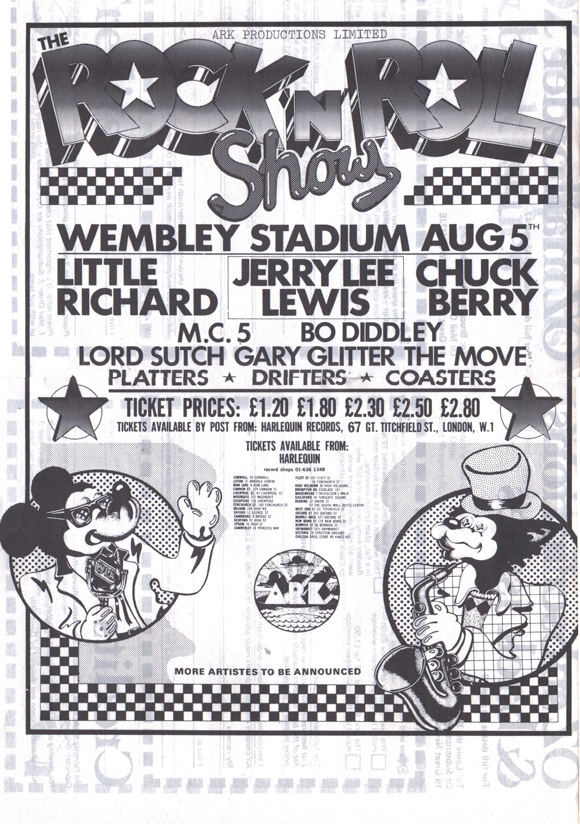
//Flyer for The Rock n Roll Show printed on the back of a subscription form for Oz magazine, July 1972. The Move were replaced by lead member Roy Wood’s new band Wizzard; this was their first gig. Original Brit-rocker Heinz was added to the bill; his backing band would soon become Dr Feelgood//
I acquired my first underground press publications in the summer of 1972, at about the point when the sector was taking the nosedive from which it never recovered.
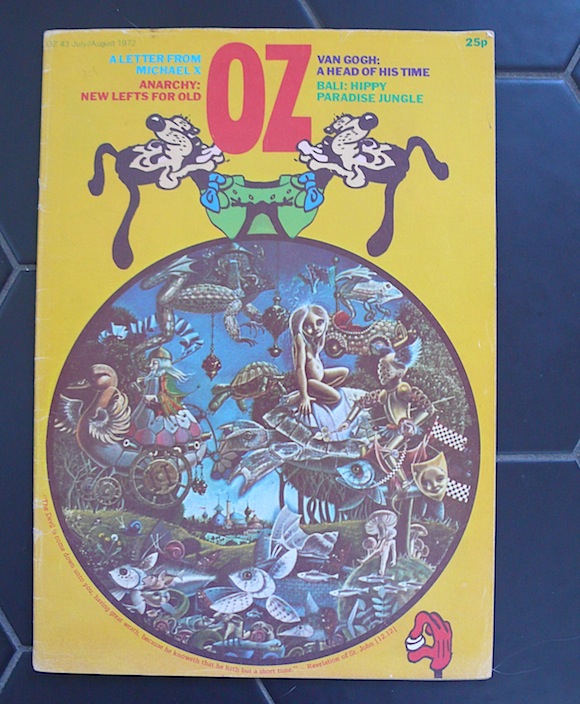
Still, better late than Sharon Tate, as they say. Aged 12, my taste had been whetted by sneak peeks at an older brother’s collection of magazines when a guy called Kevin O’Keefe who lived down the road gave me a few copies of Oz, including number 43, the July issue.
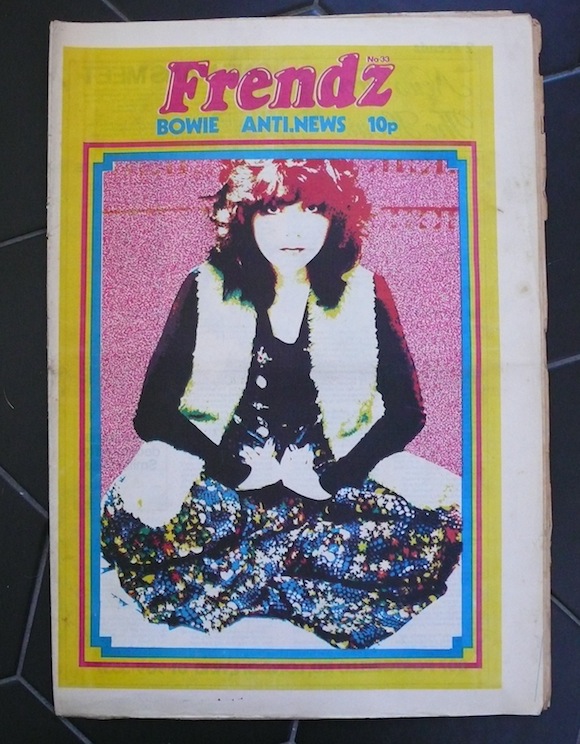
A few weeks later, to my astonishment, the newsagents in Hendon’s Church Road started stocking Frendz. I folded issue 33 between a couple of music papers and pored over it in my bedroom.
//Front cover of OZ 43, the issue which included the Wembley flyer//
//Front cover, Frendz 33, September 1972//
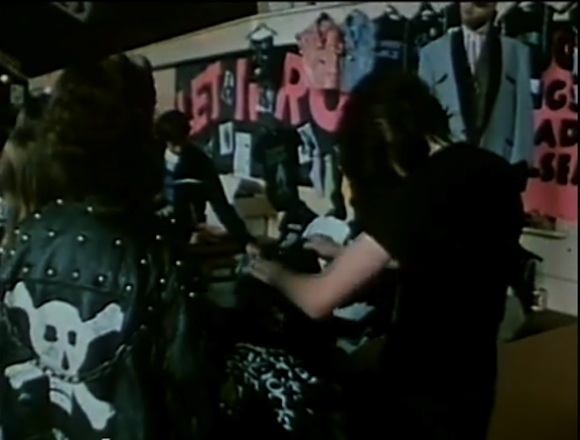
//Crowds around the Let It Rock stand. From the 1973 film London Rock N Roll Show directed by Peter Clifton//
Neither of the magazines are shining examples of the genre, but they had something in common: the centre spread of OZ 43 contained a subscription form back-printed with a flyer for the London Rock N Roll Show, a one-day festival of original 50s acts and those who could claim kinship held at Wembley Stadium on August 5 that year.
And for me the most beguiling article in Frendz 33 was a two-page stream-of-consciousness report of the event filed by one Douglas Gordon and illustrated with photographs by Pennie Smith, soon to leave for the NME and carve out her reputation as one of rock photography’s all-time greats.