It is a little known fact that David Bowie was an occasional visitor to 430 King’s Road when it was operating as Too Fast To Live Too Young To Die.
This manifestation of Malcolm McLaren and Vivienne Westwood’s revolutionary boutique – which paid design tribute to the fetishistic studded leather attire of Britain’s early 60s Ton Up Boys and rockers and sold the cult clothing associated with 40s mobsters and Latino zoot suit rioters – succeeded the 50s outlet Let It Rock in the early spring of 1973, as noted at the time by the fashion writer Catherine Tennant in British Vogue.
//Astral Weeks – Van Morrison, Peter Wilkins, 2015////Hammersmith Apollo, Peter Wilkins, 2015//
In the 21st century, when digital downloads displaced compact discs as the format of consumer choice, music went naked into the world, unadorned by design or packaging. Yet this in turn gave rise to vigorous rear-guard action in the growing appreciation of what was fast disappearing. As if from the dead, vinyl made a comeback and the fan in Wilkins places him in a key position to cogitate this phenomenon. From my text for the Lost In Music catalogue
These jaunty photographs were taken by Barry Plummer in the spring of 1979 for a Melody Maker interview with Malcolm McLaren about the just-released soundtrack for the Sex Pistols’ biopic The Great Rock N Roll Swindle (beset by financial and creative difficulties, the film wasn’t released for another year).
McLaren was accompanied by Vivienne Westwood; they made a striking pair in mixed and matched one-off and traditional pieces with a selection of clothing from their King’s Road shop Seditionaries. By now the transition away from punk – left behind when the Sex Pistols split a year earlier – was becoming evident.
//”This photograph was taken by Chris Morris in my bedroom at Commonwood Cottage in Downley village near High Wycombe in 1965 (when I swapped my mod life for university). I’m wearing an almost unwearably itchy John Stephen herringbone wool shirt. Apart from the Ricky Tick poster, I’d permanently pasted up two vintage London Transport posters I found in the attic. My old man wasn’t too pleased about that”. From http://johnpidgeon.com////Front cover of Pidgeon’s 1974 book//
I highly recommend John Pidgeon’s blog; Pidgeon is another of those unpindownable figures in the cultural landscape. His considerable talents have been expressed from music journalism and magazine publishing through roadie-ing for The Faces and composing songs with their recently departed and already much missed keyboard maestro Ian McLagan to commissioning stunning design work from Barney Bubbles and producing BBC documentaries and radio comedy (and in the process promoting the talents behind hit series such as Dead Ringers, Little Britain and The Mighty Boosh). Continue reading Highly recommended: The unpindownable John Pidgeon’s blog
I’m intrigued by the photography of Sunny Suits, the American who, like so many illustrious others, flourishes in Paris, so am delighted to present this selection of recent work complete with her descriptions and background text.
Joujouka
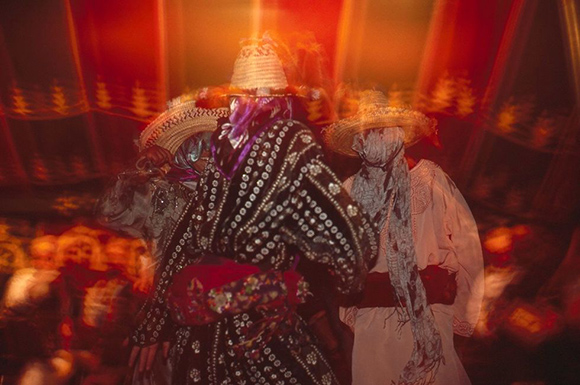
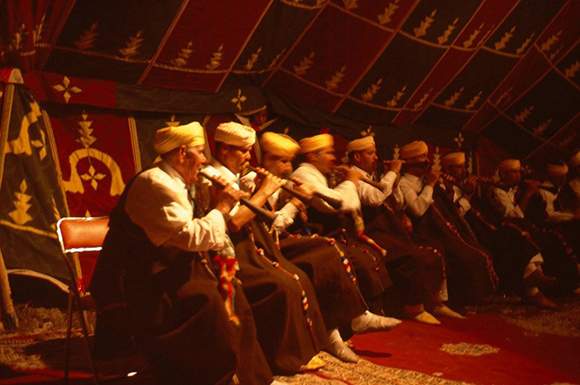
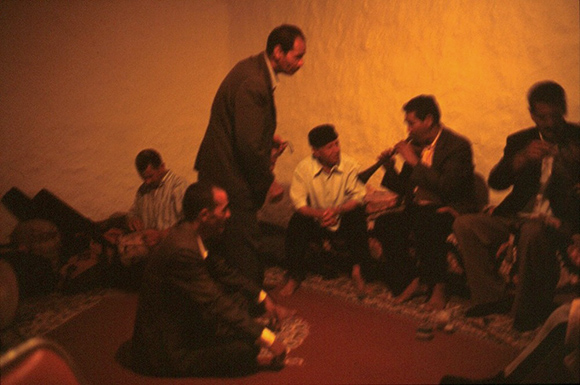
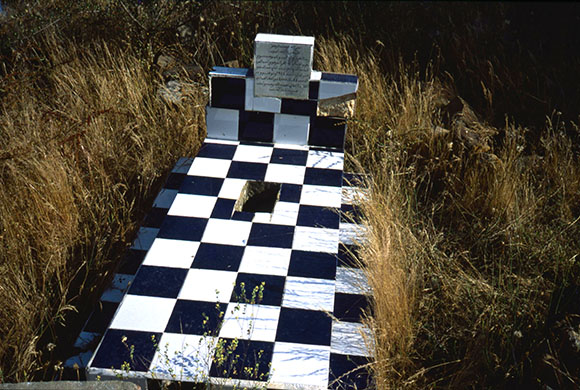
//Village boys dressed as Aisha Kandisha, Joujouka, 2013. Sunny Suits////Master Musician pipers playing under the tent, Joujouka, 2013. Sunny Suits////Master Musicians in the Madras before playing, Joujouka, 2013. Sunny Suits////Mohamed Hamri’s grave, Joujouka, 2013. Sunny Suits////Cafe Boujeloud, Joujouka, 2013. Sunny Suits//
The Joujouka festival happens once a year in Morocco, a few hours from Tangier. It’s an incredible experience, to live on the farm with the villagers, to share their lives for a few days. Each night around midnight the musicians play and are excellent!
The folklore of the village is something special and I feel really lucky to have experienced it. Brian Jones and the Beats are to be thanked for sharing the discovery with us I’d say but it’s the music and also the painter Mohamed Hamri that I connect with most.
Champagne Bars and Sex Shops
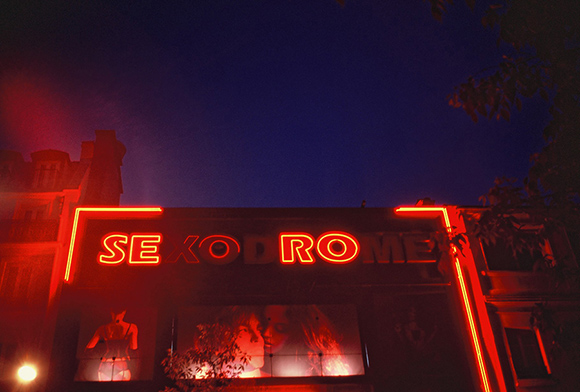
//SERO, sex shop sign, Paris 2014. Sunny Suits//
My first memories of Paris include Pigalle. I used to live in the area and I have wanted to document the champagne bars and the women who work in them for years but before, my French wasn’t good enough and now the bars have almost disappeared. It’s also not exactly my world so I don’t think I have the right to intrude even though it’s only with respect that I see them.
Some of them have become sheesha bars, which I don’t mind because it’s part of the quartier, but red light districts are dying worlds. I see it as them as endangered species, something exotic and necessary. It’s a shame to see them disappear. There should be a smut preservation society.
The photograph ‘Sero’ is of the largest sex shop in Pigalle called Sexodrome. The lights had burned out leaving the sign to read Sero. Ironic for a sex shop sign.
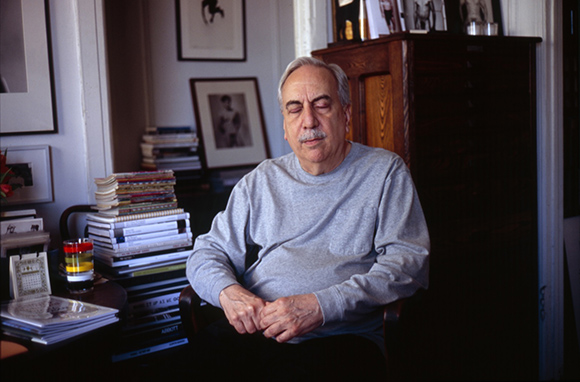
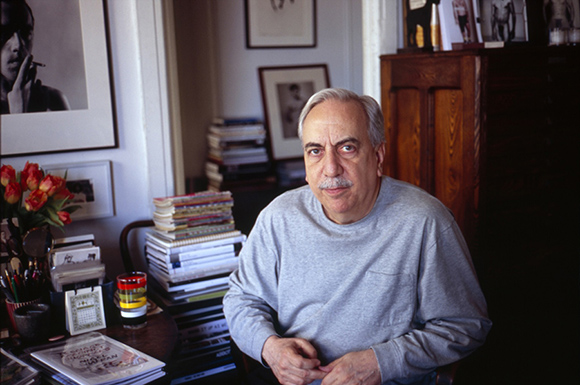
Vince Aletti
Vince is a journalist and photo critic who was close to Peter Hujar. He knew David Wojnarowicz and many, if not all of the great artists from the Lower East Side that I admire so much. His voice is one of experience as that was his peer group. My friend the artist Paul P and Vince are friends and Paul took me to meet him one day at his place, which is like a shrine! He’s smart and generous and it was a lovely afternoon.
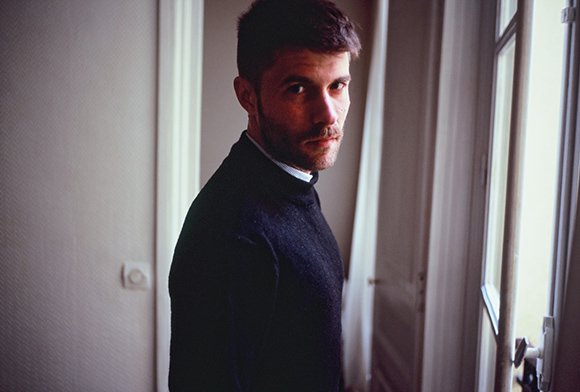
Ariel Kenig
My friend Ariel is a writer here in France, novels and plays. He’s young and accomplished. He’s singing now and I think he’ll be just as successful. His groupies are already in line. He’s got something no doubt. His style is sort of what I call ‘Nu-Française’. He respects the lineage, of literature and now singing, and is a contemporary of it.
Lamine Badian Kouyaté
//Lamine Badian Kouyaté (Xuly Bët), Le Comptoir General, Paris, 2014. Sunny Suits//
Lamine is the designer of the French brand Xuly Bët. He’s half Malian half Senegalese and for me totally Parisien. Xuly Bët has its well earned place in fashion history. I don’t think of fashion without thinking of Xuly Bët. His proposition is a mix of street, couture and Africa and I love it. It’s the 25th anniversary of Xuly Bët this year and I’m really honoured to have been able to take his picture. You can see a great Xuly Bët show in the Robert Altman film Prêt-à-Porter.
Read more about the Master Musicians Of Joujouka here and the story of Aïsha Kandisha here.
For French-speakers there is an interview with Ariel Kenig about his book Le Miracle here.
DJHistory has a great interview with Vince Aletti here.
//TOP: From the NME’s coverage of the Wembley Rock N Roll Show – staff model Let It Rock clothing outside 430 King’s Road. Photo: Robert Ellis./ABOVE: From the Evening Standard special issue – Teds and (left) LIR assistant Addie Isman outside Let It Rock.//
As a follow-up to my recent post about the Rock N Roll revival show held at London’s Wembley Stadium in August 1972, here is another selection from the media surrounding the event.
The New Musical Express dedicated a section to reviewing the show, decking staffers Danny Holloway, James Johnston and the late Tony Tyler in appropriate clothing from Let It Rock. The journalists were photographed outside Malcolm McLaren and Vivienne Westwood’s outlet at 430 King’s Road by Robert Ellis.
//Bo Diddley on the cover of the ES special////Angus McGill and Geoffrey Aqulina Ross were among the journalists who contributed to the ES special. I love the juxtaposition with the knife and fork/skull and crossbones logo promoting a Sunday Times feature by the architectural writer Ian Nairn, whose work has recently undergone critical appraisal//
The capital’s daily paper the Evening Standard’s special issue – billed as the official programme – also included images taken outside Let It Rock, including assistant Addie Isman in one of the store’s then-new studded t-shirts (this one emblazoned with the phrase Rock N Roll Ruby) and customer and prominent London Ted Bill Hegarty in full regalia.
The images of the Evening Standard special issue are from the copy owned by collector Takeshi Hosoya, whose Japanese clothing label Peel + Lift can be viewed here.
Many thanks to Robert Ellis for permission to use his shot in the scan from the NME. Visit Robert Ellis’s Repfoto site here.
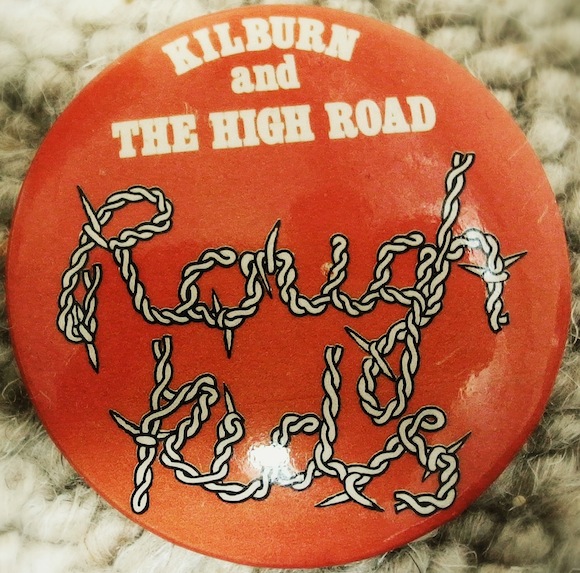
As an addendum to my recent post about the staging of the very special late night London concert given by Ian Dury’s art-rock ensemble Kilburn & The High Roads in 1974, here’s the badge commissioned by manager the late Tommy Roberts to flag up the concurrent release of the group’s single Rough Kids.
Then a neglected pop promotional medium – badges were considered kids’ stuff; the sole prominent champion was Barney Bubbles, who produced a range to go with his branding of space rockers Hawkwind and pub-rock outfit Chilli Willi And The Red Hot Peppers – the pre-punk barbed wire logo button was conceived and executed by Simon Haynes, designer of the ambitious stage set for the Kilburns’ gig at the King’s Road Theatre.