//Annie Frost Nicholson with the Fandangoe Discoteca. Pic courtesy of anniefrostnicholson.com//
Next week sees the opening at London’s Canary Wharf of artist Annie Frost Nicholson’s Fandangoe Discoteca, the mini-disco installation where we can shake out our grief and help maintain daily mental health – the programme covers all intersections of grief from bereavement to climate angst to political rage to break-ups.
The design of the kiosk was inspired by De Stijl and Ettore Sottsass and holds up to eight dancers at a time.
“It’s like reconstructing the debris of old pop paraphernalia… what’s exciting about it is that you no longer need to buy guitars. You can choose a friend up the road, put your decks together with a beatbox and make your own records, demoralising [sic] the pop myth and beginning to find a way of using material yourself .”
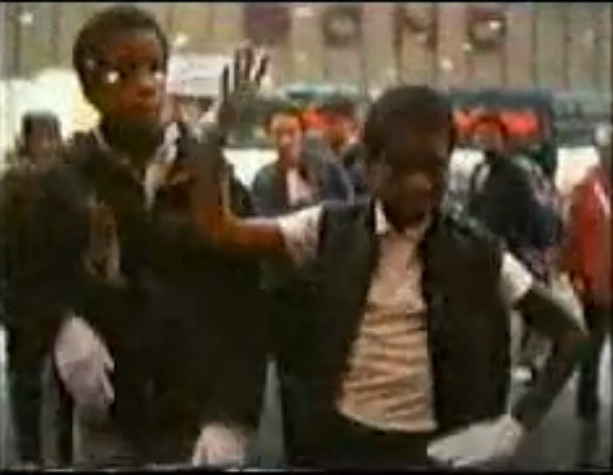
On November 19 1982, the UK’s national weekly youth music programme The Tube included a segment marking the occasion when the terms (and concepts of) “scratching”, “break-dancing” and “hip-hop” were introduced to a mass British audience for the first time.
I am honoured to have played a part in Dermot Kavanagh realising his ambition to produce a biography of the late footballer and soulboy legend Laurie Cunningham.
Next month I’m taking part in an event which examines the birth of London club culture in the early 60s.
Held at creative hub Second Home, London Stories: The Mod is the first in a three-part series of discussions hosted by Bill Brewster and Frank Broughton, authors of the club bible Last Night A DJ Saved My Life and the men behind the mandatory DJ History.
This’ll put a spring in your step – Dee-lite performing at Wigstock in 1990, as posted by Hintmag. The second track is What Is Love (Holographic Goatee Mix).
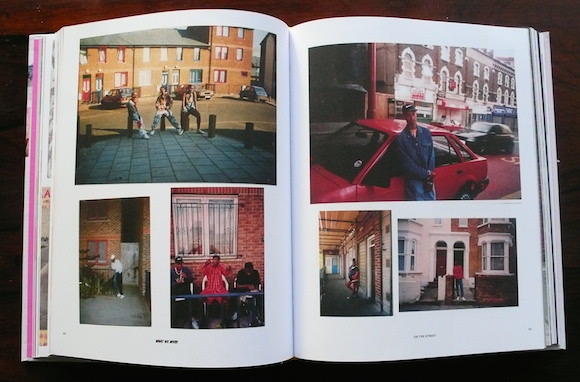
//Left: Among the contributors Ian Johns, Mark Wigan, Nendie Pinto-Duschinsky and Andrew Gallix. Right: Fred Butler 1995-2001 and Tracey Emin in 1995////Winston Milton and friends, Hackney 1993-8//
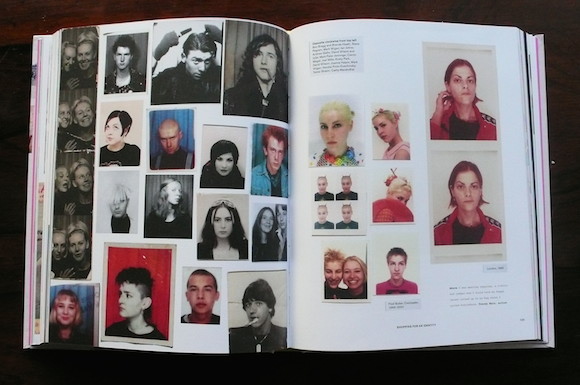
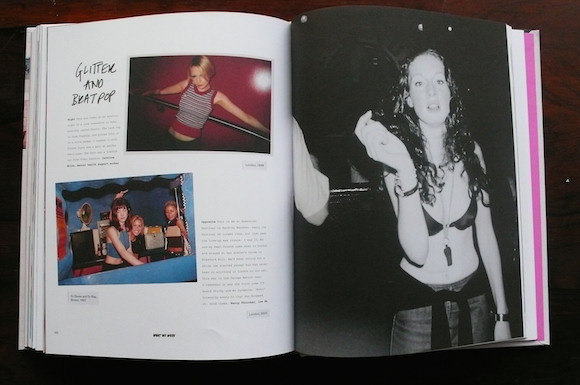
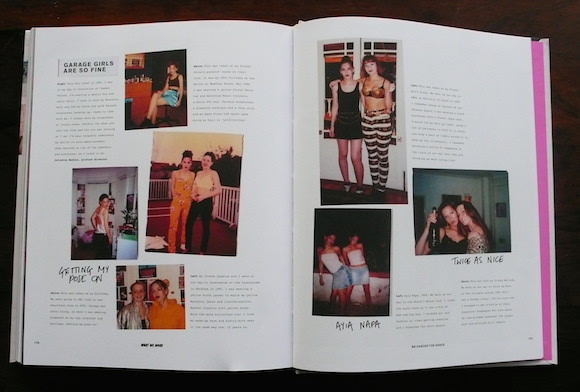
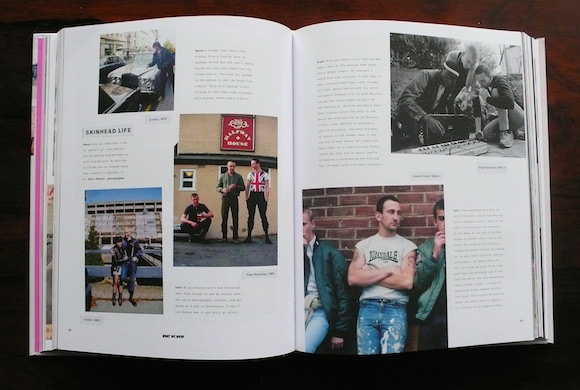
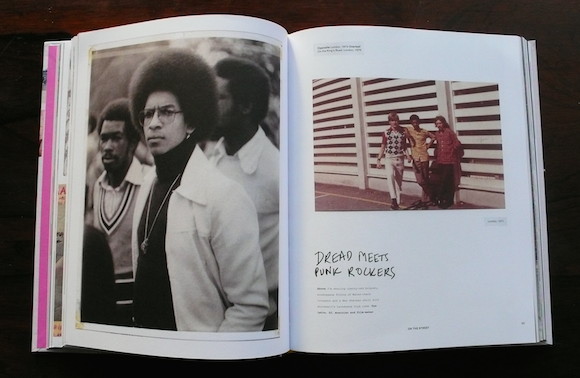
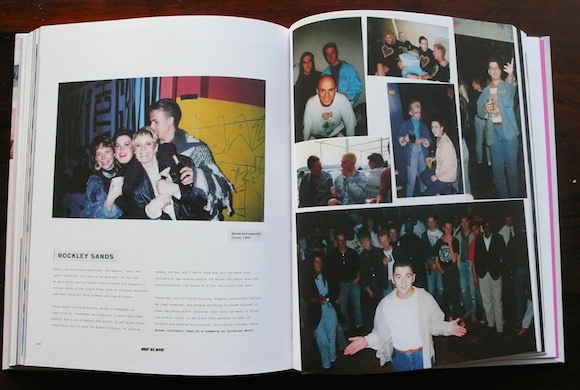
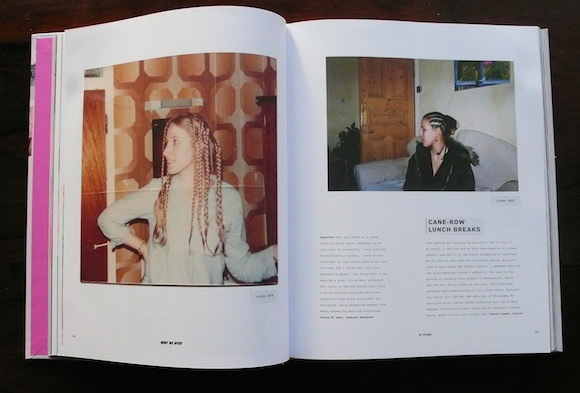
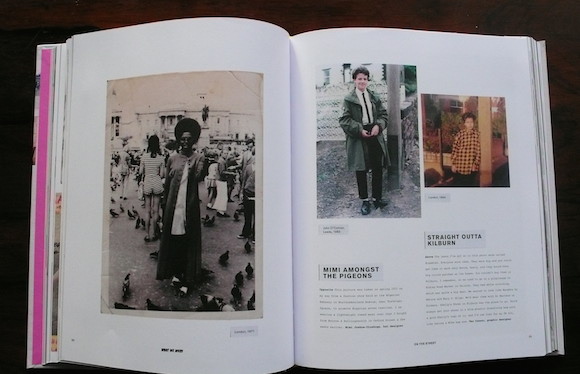
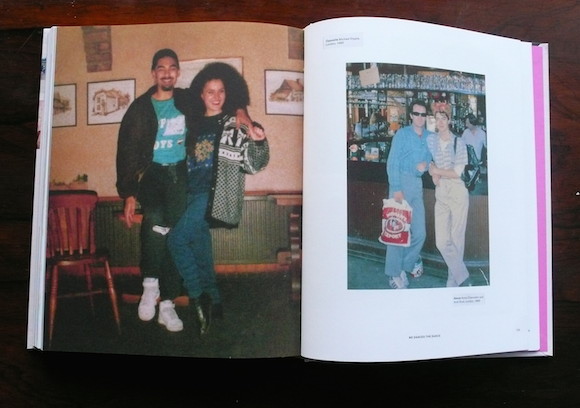
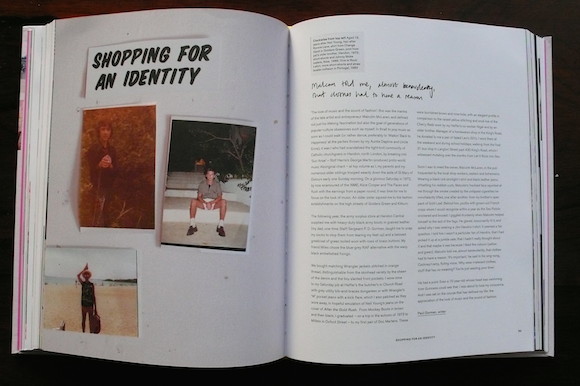
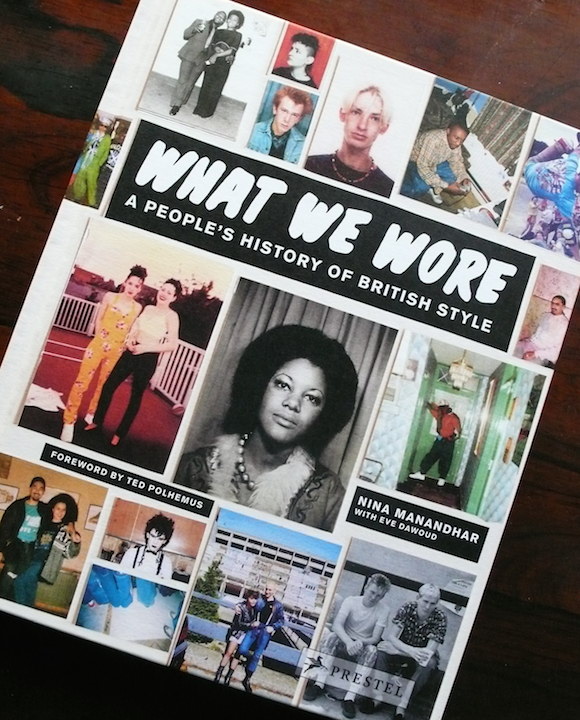
Into the over-worked field of ‘street style’ comes a breath of fresh air: What We Wore – A People’s History Of British Style.
Free of cliche and pretension, Nina Manandhar and Eva Dawoud’s book compiles the personal images and anecdotes of a hugely diverse set of contributors.
//Left: Caroline Milne, Ghetto, London, 1999; DJ Dazee and DJ Rap, Bristol, 1997. Right: Nancy Thornber, Essential Festival, London, 2001////Juliette Hedoin and friends clubbing in London and Ayia Napa 1995-2002////Gavin Watson and friends on the skinhead scene, 1982-5//
The book is not dominated by well-known people and the usual suspects who patronise this narrative (though I snuck in there) and so is true to the subtitle; What We Wore celebrates in a thoroughly egalitarian manner “the presentation of self” – Erving Goffman’s phrase as cited by Ted Polhemus in his excellent foreword.
//Don Letts with friends, London, 1971 (right) and 1973////Russel Coulthart and friends at Rockley Sands, Dorset, 1988////Left: Diane El Dabi, London, 1979. Right: Cassie Clarke, London, 2002////Left: Mimi Joshua-Olushoga, London, 1971. Right: John O’Connor, Leeds, 1982 and Teo Connor, London, 1994////Left: Michael Dipple and friend, London 1980. Right: Jock Scot and Anna Chancellor, London, 1986////Me, London 1973, Ibiza, 1986, Portugal, 1982//
What We Wore is a fitting testament to our collective visual invention. I recommend it highly.
Beat This: A Hip Hop History is an hour-long documentary broadcast by BBC in its Arena strand in 1984 and directed by Dick Fontaine (who I interviewed for my Goldie book back in the early 00s).
In one section Malcolm McLaren talks about his August 1981 introduction to Afrika Bambaataa’s Zulu Nation in the south Bronx.
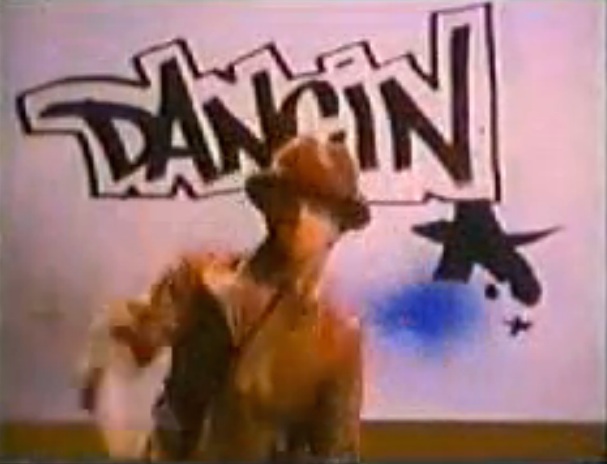
This was effected by artist/filmmaker/writer Michael Holman; his often overlooked achievements include actually naming the genre “hip hop” in his East Village Eye column, founding the noise group Gray with Jean-Michel Basquiat (Holman also wrote the 1996 Julian Schnabel-directed biopic), running the world’s first hip-hop club (Negril, on 11th Street), creating the New York City Breakers and making the films and TV shows Catch A Beat, Beat Street and Graffiti Rock.
About 10 years ago in a cramped club, an exotic creature whose ensemble included suede chaps and amazing boots joined the throng in my corner, shape-making and slithering to his heart’s content. It was quite a show, courtesy of Martin Degville, whose talents in fashion and music have it seems proved too uncontainable for sustained mainstream acceptance since he first emerged from Birmingham in the 70s.
Today it’s grey and cold, the kitchen floor’s being tiled so the back door has to be open. There is nothing else for it: a restorative jump-up to this wonderfully preposterous performance of Success by Degville, Tony James and the rest of Sigue Sigue Sputnik on Brazilian TV from way back:
Stick around for incomprehensible banter with the TV show host and the play-out over the credits of Rio Rocks.
//From Vacant by Nils Stevenson, photo: Ray Stevenson//
If you are of a London gig-goer of a certain (getting on to be advanced) age you will remember “Jesus”, an enthusiastic audience member at many musical events in the capital from the 60s to the late 70s.
//Detail: Hynde, Rotten, Matlock and Jesus. Photo: Ray Stevenson//
Jesus was notable because a) he was personable and b) would often discard his clothes as he energetically idiot-danced stage-front. Jesus liked to frolic with abandon, more often than not exposing much, or even all of his rail-thin body.
Junior Murvin – who has died aged 67 – will forever be associated with the rebel cool of his 1976 Lee Perry-produced single Police & Thieves. Yesterday morning’s BBC Radio 4’s Today news programme displayed it’s trademark ham-fisted approach to pop culture when eagerly proclaiming the song his shining achievement by managing to misname Paul Simonon “Mick Jones” in an interview introduction and rushing to gush unconvincingly over an excerpt of The Clash’s version.
Personally, I favour another Lee Perry collaboration from the same period, the epic single B-side Memories.
I bought the UK 12inch mix on a shopping spree in a record shop tucked away in an Earl’s Court side street one late afternoon in 1977 on the recommendation of the shop assistant.
At 8mins 45secs, Memories is not only a sonic adventure to match the very best of 70s dub, but also a sweet, romantic song, the yearning, regretful theme over Perry’s bubbling cauldron of rhythms perfectly matched to Murvin’s falsetto whoop (I found Police & Thieves too preaching, which I guess is why it made sense for The Clash – always complaining about being told what to do, they tended towards dictating to their audience).
The flip, Tedious, is pretty good, as were other Black Ark explorations such as Closer Together, but nothing in my view in Murvin’s body of work touches the tenderness of Memories.