To mark the publication of my new book about The Face, I will be in conversation at London’s Central Saint Martins on November 16 with Magculture’s Jeremy Leslie and the magazine’s founder/editor/publisher Nick Logan.
//Logan in Soho last week. In this area he ran The Face as a one-man band from offices in Carnaby Street (1980-81) and Broadwick Street (1981-82)//
This event represents a chance not just to hear from Leslie, whose shop is the country’s leading independent magazine hub, but also a rare opportunity to witness Logan – in my book (literally) the most important figure in post war British magazine publishing – talk about the magazine that changed culture.
//Front, Run To Me catalogue, 25 x 20cm, 44pp////Unconditional Love, Sam Jackson, 2017//
In the exhibition Run To Me – opening tomorrow at Old Street’s Charlie Smith London – curator Faye Dowling presents a quizzical visual exchange between painter Sam Jackson and photographer Derek Ridgers.
//First part of my essay faced with Tanya, The Batcave, Derek Ridgers 1983//
Out today, the November 2017 issue of British GQ includes a 10-page feature on my forthcoming book The Story Of The Face: The Magazine That Changed Culture.
I said many times to Jim – and have reflected on this over the last few days – that not many people get to pursue their passion every day of their adult lives. Jim did that. He never went to ‘work’. He did not care if he made money doing it, he just wanted to be able to have you understand what he saw and to have your opinion on it. Kathy Walrod
Jim Walrod, who has died aged 56, occupied a unique position in the world of international design.
A collector, curator, writer and sometime retailer, as well as an interior designer and locator of unusual and one-off furniture and lighting pieces for a diverse selection of celebrity and private clients, the rangy, sandy-haired Walrod cut a singular figure.
Enthusiastic, informed and slyly humorous, Walrod was founder with Jack Feldman and Fred Schneider of the B-52s of New York’s important 90s/00s store Form & Function and described as “the ultimate design raconteur” by hotelier André Balazs.
To Mike D of the Beastie Boys he was “the furniture pimp”, an accolade won in part for having sourced Memphis designs for David Bowie (Jim revealed to me just a few weeks ago that some of these Italian PoMo pieces came via Tommy Roberts, subject of my book Mr Freedom).
//When they met, Bowie was scrutinising this portrait of Sex, Seditionaries and Jubilee superstar Jordan Mooney at Bell’s exhibition Larger Than Life//
“I, too, had to maintain a certain degree of detachment, and indeed to want and expect nothing of him; the paradox will always remain that, if David Bowie had not been David Bowie, then David Bowie and I could have been friends.”
Edward Bell, 2017
Edward Bell first encountered David Bowie when the rock chameleon turned up unexpectedly at a private view for the British visual artist’s first exhibition in 1980.
They last spoke in 2013, a few years before the musician/performer’s untimely demise. In the intervening period Bell and Bowie hung out in London, Venice and Los Angeles, collaborated on record sleeve projects and maintained sometimes sporadic contact, via a Swiss letter drop address and out-of-the-blue phone calls.
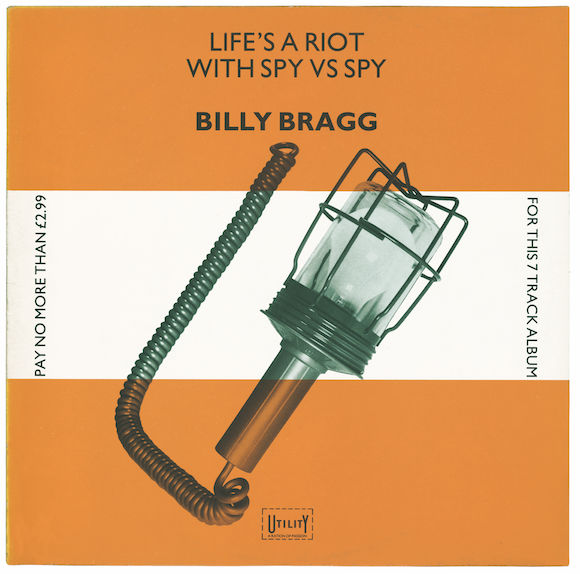
“In graphics, in the music business at least, Barney pioneered the use of everyday objects in his work. He could see the design and the beauty in the apparently banal” Suzanne Spiro, artist
The Barney Bubbles exhibition Optics & Semantics at London gallery Rob Tufnell closes tomorrow evening; if you have a chance, do go along and enjoy the late graphic arts maestro’s unique celebrations of the mundane and workaday.
//Janette Beckman’s 1980 image of Jerry Dammers of The Specials is included with documentary and portrait photography by the likes of Jane Bown, Bill Brandt, Ian Macdonald, Colin O’Brien, Martin Parr and Jo Spence//
Curated by Christopher Bailey, creative director of sponsoring fashion brand Burberry, with Lucy Kumara Moore of bookshop Claire de Rouen and fashion/documentary photographer Alasdair McLellan, the exhibition Here We Are considers Britishness at this crucial juncture in our economic, political and social history.
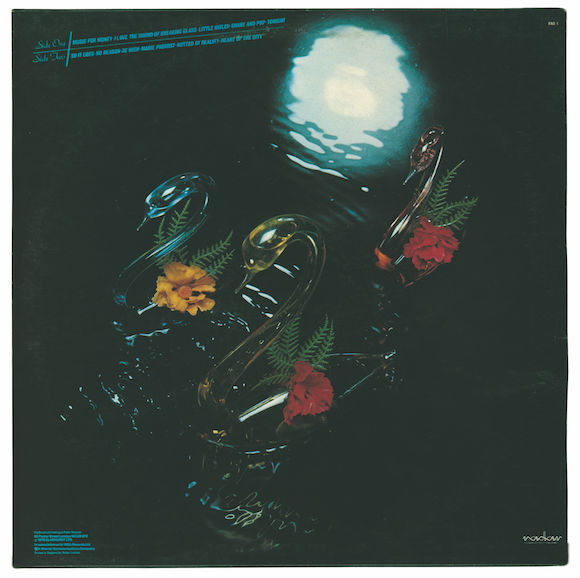
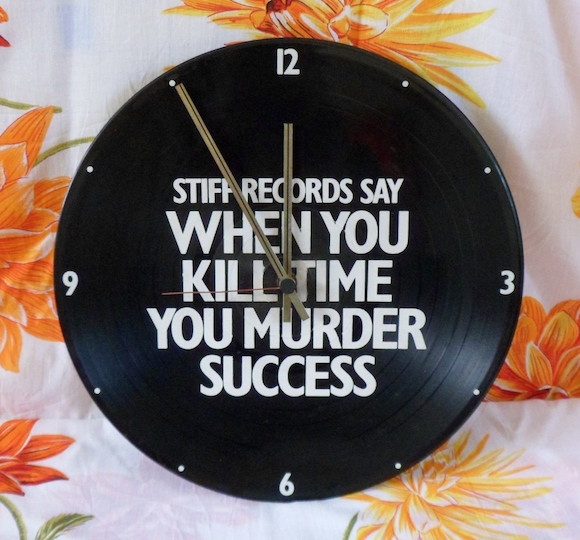
//AC/DC Desk (with plug stool), Get Happy!! lightbulb poster, ‘Kill Time’ Stiff Records clock + Ian Dury Cocktail cabinet//
You wait years for a Barney Bubbles exhibition and then two come along in the space of a month.
On the heels of the mini-show of Barney Bubbles music designs at Fred Perry’s basement space in Covent Garden comes a different take on the work of the late graphics maestro.