//Clockwise from top left: A UFO by Ettore Sotsass, Italy 1957. Manufacturer Arredoluce; Passiflora by Superstudio, Italy 1966. Manufacturer: Design Centre; Belt Lamp by Gaetano Pesce, USA 1995. Manufacturer: Fish Design; C2 by Studio Rossi-Molinari, Italy 1969. Manufacturer: Totem//
“These lamps were in no way meant to be utilitarian. They were mass produced as expressions of art by the most innovative designers working at the time and are beautiful objects. Just don’t try to read a book by them!”
The pick of design authority and interiors practitioner Jim Walrod’s extraordinary lighting collection is on display at New York’s Patrick Parrish Gallery until Sunday (April 19).
//Starr on location in Let It Rock drape. Note bust darts. From the front page of Disc & Music Echo, December 16, 1972. Photo: Uncredited//
In the autumn of 1972 the small King’s Road boutique Let It Rock, which had been open for less than a year, received a fillip when the owners Malcolm McLaren and Vivienne Westwood were asked to contribute costumes to the production of 50s Britrock movie That’ll Be The Day.
//Malcolm McLaren in a previously unpublished shot wearing original 50s George Cox Bingley D-ring brothel creepers to match his detail-perfect Teddy Boy garb. Photo taken inside Let It Rock, 430 King’s Road, January 1972. (c) David Parkinson//
//Left, Saint Laurent point-toed patent brothel creepers, A/W 2014. Right: George Cox Buckle Diano made to the 1950s last//
Last season’s foregrounding by Saint Laurent of the pointed brothel creeper is just one of a run of examples of fashion brands plugging into the purity of this quintessentially British rock & roll style minted in 1949 by the UK independent footwear company George Cox.
Among the first stylistic innovators to take the design out of Teddy Boy revivalism and apply it to contemporary fashion was Malcolm McLaren, who had been selling creepers for a couple of years at Let It Rock, the boutique he operated with Vivienne Westwood, by the time he visited the Cox factory in Northampton in November 1973. Here he ordered samples for six styles, some of which went into production for sale at 430 King’s Road.
//Portfolio shot of the newly completed Seditionaries, 430 King’s Road, London SW10, December 1976. (c) Ben Kelly//
Interior Design: Dead Or Alive is the title of the symposium being organised by the prominent British designer Ben Kelly at London’s Institute Of Contemporary Arts on March 14.
I am a contributing speaker alongside writer/curator Michael Bracewell, designers Fred Deakin, Ed Barber & Jay Osgerby and Peter Saville, artists Lucy McKenzie and Bridget Smith and David Toop of the London College Of Communications and Tate Britain’s Andrew Wilson.
“We’re going to be taking stock of the ways in which iconic interiors affect and influence the direction of popular culture and the wider world,” says Kelly, who is putting the event together in his capacity as professor of interior design and spatial studies at the University of the Arts London.
//Portfolio shot of the freshly installed Seditionaries name plaque, December 1976. (c) Ben Kelly//
Among Kelly’s designs was the November 1976 transformation of Malcolm McLaren and Vivienne Westwood’s shop Sex at 430 King’s Road into Seditionaries. Knowing that I have researched and produced a substantial document on the history of 430 King’s Road, Kelly has asked me to address this little space with a big impact in terms of its importance as a cultural hub and incubator of often radical ideas.
//Malcolm McLaren, 1973. Photo: David Parkinson. Bryan Ferry, 1976. Photo Richard Wallis//
A couple of years back I showed examples of photography by the late David Parkinson to car-nut graphic design maestro Jules Balme; I knew he would be interested in the incorporation of a 1959 Cadillac Eldorado in a 1973 Let It Rock fashion shoot.
What drew Balme’s eagle eye was not the car fin detail, but the fact that Malcolm McLaren in the shot below sported a tie of the same distinctive Atomic-style 50s pattern as worn by Bryan Ferry in the video clip for his 1976 solo hit Let’s Stick Together (and subsequently on the sleeve of the compilation of the same name rushed out to capitalise on the single’s success that year).
//McLaren and models in Let It Rock attire – right are examples of the so-called “Alan Ladd” and “Jazz” suits – photographed in Acre Lane, Brixton for Club International by David Parkinson, summer 1973//
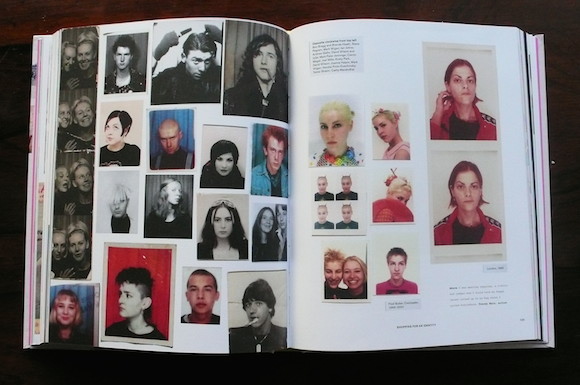
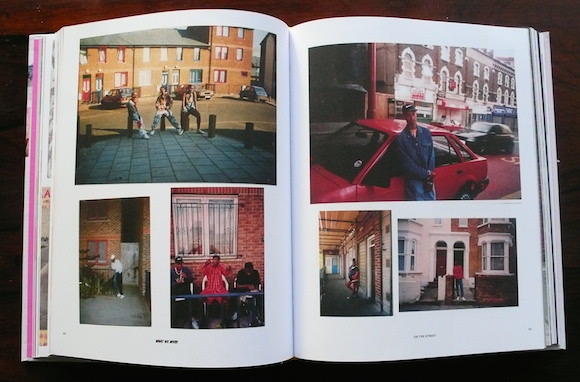
//Left: Among the contributors Ian Johns, Mark Wigan, Nendie Pinto-Duschinsky and Andrew Gallix. Right: Fred Butler 1995-2001 and Tracey Emin in 1995////Winston Milton and friends, Hackney 1993-8//
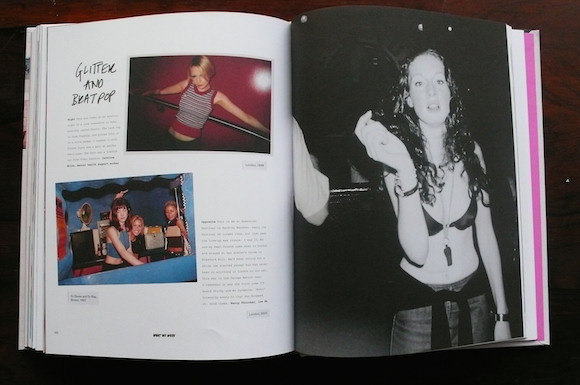
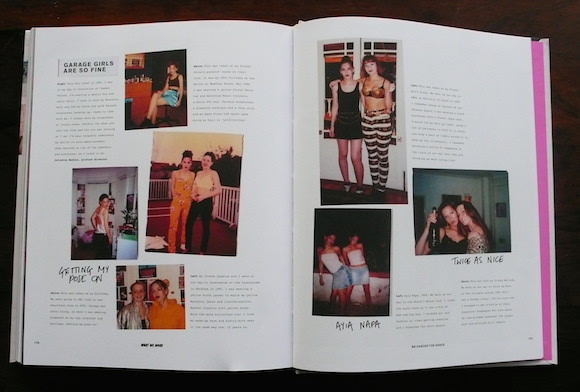
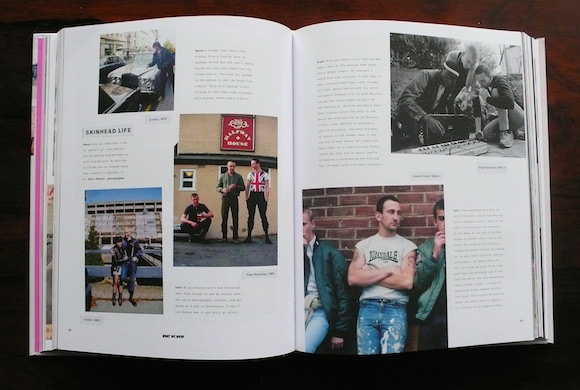
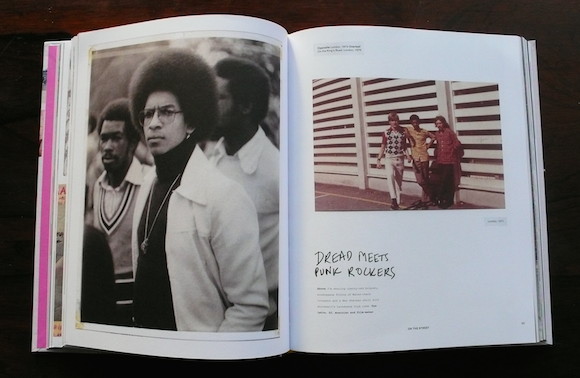
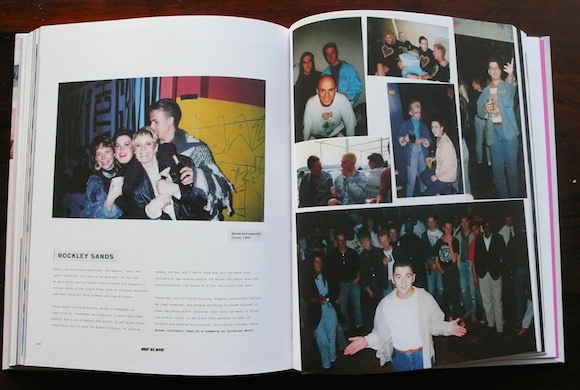
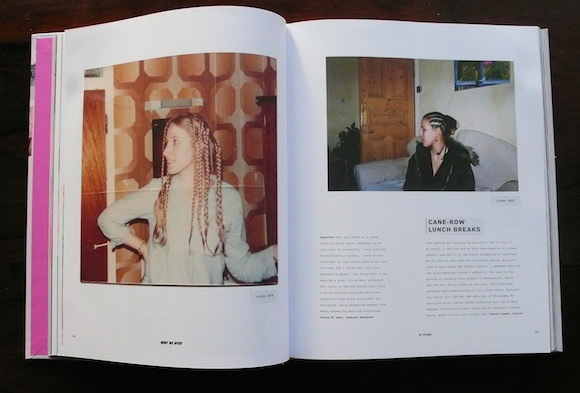
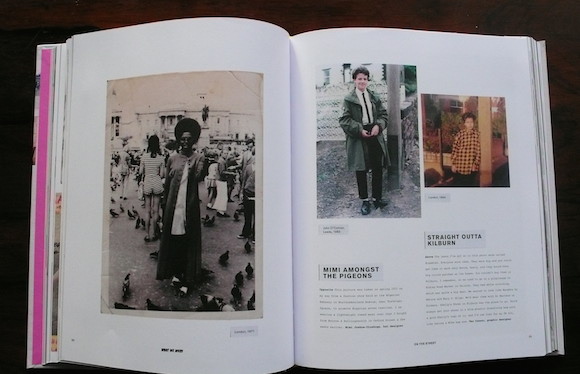
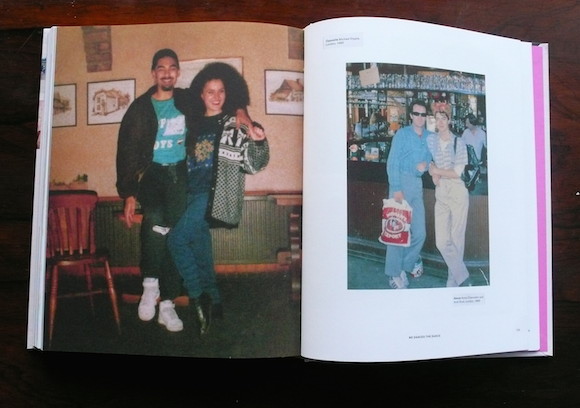
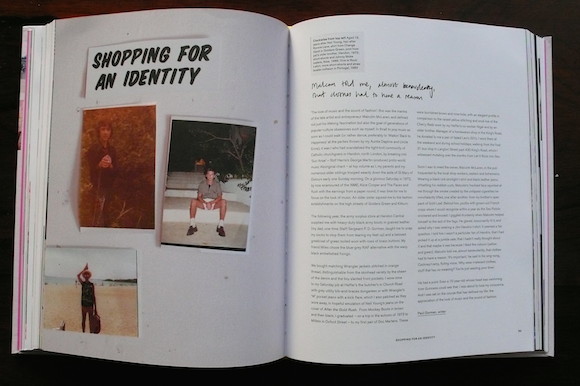
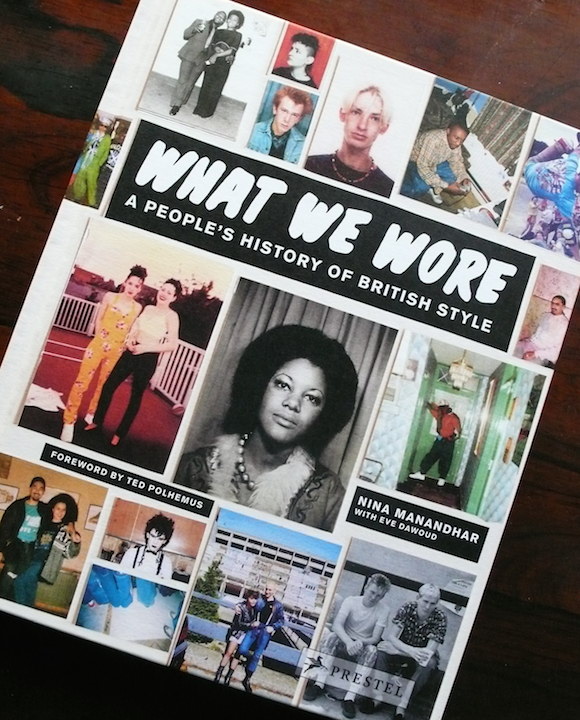
Into the over-worked field of ‘street style’ comes a breath of fresh air: What We Wore – A People’s History Of British Style.
Free of cliche and pretension, Nina Manandhar and Eva Dawoud’s book compiles the personal images and anecdotes of a hugely diverse set of contributors.
//Left: Caroline Milne, Ghetto, London, 1999; DJ Dazee and DJ Rap, Bristol, 1997. Right: Nancy Thornber, Essential Festival, London, 2001////Juliette Hedoin and friends clubbing in London and Ayia Napa 1995-2002////Gavin Watson and friends on the skinhead scene, 1982-5//
The book is not dominated by well-known people and the usual suspects who patronise this narrative (though I snuck in there) and so is true to the subtitle; What We Wore celebrates in a thoroughly egalitarian manner “the presentation of self” – Erving Goffman’s phrase as cited by Ted Polhemus in his excellent foreword.
//Don Letts with friends, London, 1971 (right) and 1973////Russel Coulthart and friends at Rockley Sands, Dorset, 1988////Left: Diane El Dabi, London, 1979. Right: Cassie Clarke, London, 2002////Left: Mimi Joshua-Olushoga, London, 1971. Right: John O’Connor, Leeds, 1982 and Teo Connor, London, 1994////Left: Michael Dipple and friend, London 1980. Right: Jock Scot and Anna Chancellor, London, 1986////Me, London 1973, Ibiza, 1986, Portugal, 1982//
What We Wore is a fitting testament to our collective visual invention. I recommend it highly.
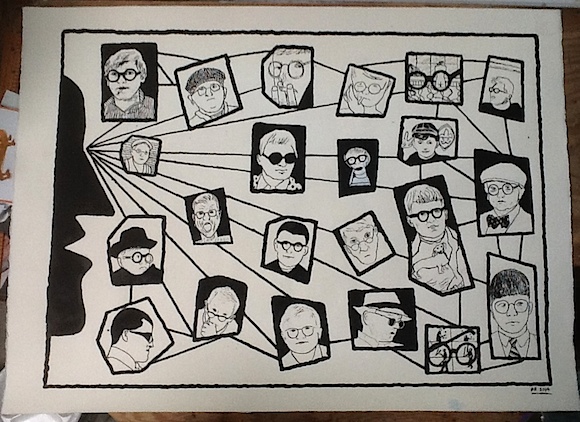
//David Hockney 22 Times, Derek Boshier, 2014. 31 x 42 inches. Ink on Archer’s paper//
I’m delighted to announce that David Hockney has written the preface to Rethink/Re-Entry, the Derek Boshier monograph I am editing.
In the piece, Hockney points out that they have known each other since 1957, and that Boshier “like me, is an artist, and one who has never lost his wonder at the world”.
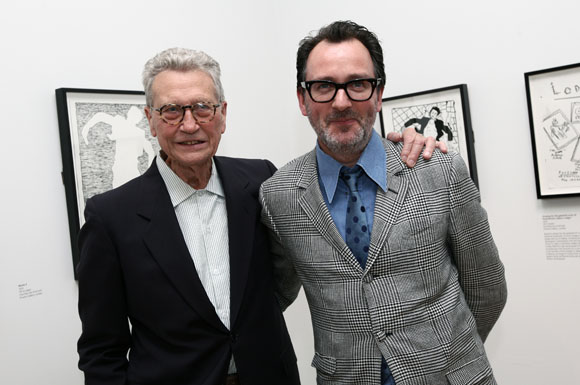
//Derek Boshier and I at the opening of his 2012 exhibition David Bowie + The Clash at Pallant House Gallery, Chichester, Sussex//
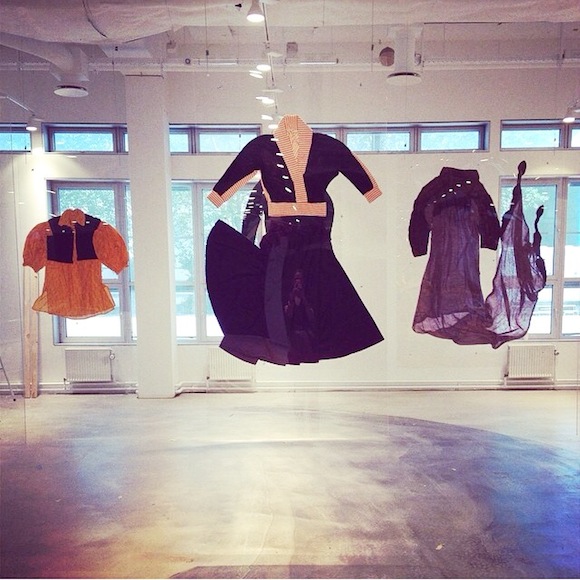
//Foreground: Mobile featuring portrait of Malcolm McLaren in Central Park, NYC, 1975 by Bob Gruen. In the background the 12m-long Let It Rock installation. Photo: Jean Francois Carly (c) Malcolm McLaren Estate////McLaren’s Buffalo sheepskin with Witches multi-tongued shoes contributed by designer Kim Jones. Photo: Jean Francois Carly (c) Malcolm McLaren Estate ////Outfits float in the air, from left: Pirate waistcoat and dress worn by Annabella Lwin of Bow Wow Wow in performance; Let It Rock shawl collared blouse and circle skirt; Nostalgia Of Mud wool toga dress with Folkways print. Malcolm McLaren Estate, Kim Jones Collection, private collection//
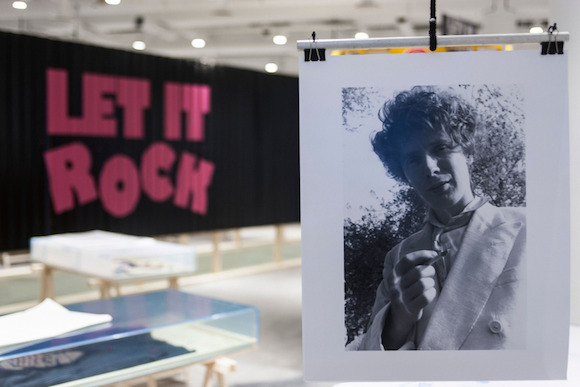
The response to this week’s Malcolm McLaren exhibition Let It Rock has been very encouraging; here are some images which hopefully give an idea of the show’s impact.
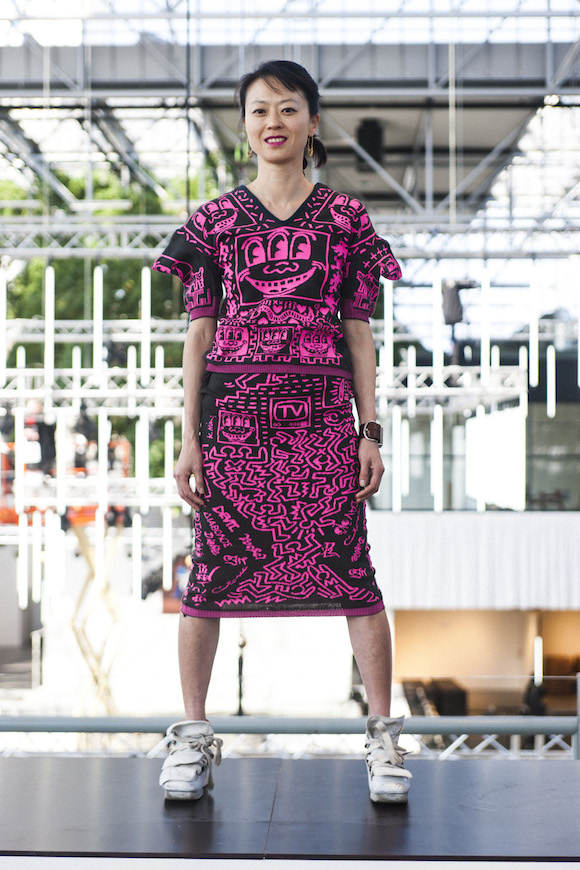
Running for four days at Copenhagen’s Bella Center as part of the Danish city’s international fashion fair CIFF, the show – curated by me and Young Kim of the MM Estate – focused on the late cultural iconoclast’s engagement with fashion with Vivienne Westwood in the 70s and 80s.
We have received favourable press, with particular praise from the FT’s Charlie Porter, who wrote that the hang of the garments was “exceptional”. Meanwhile style blogger Susie Bubble described the exhibition – full title Let It Rock: The Look Of Music The Sound Of Fashion – as “incredibly detailed and well put together”.
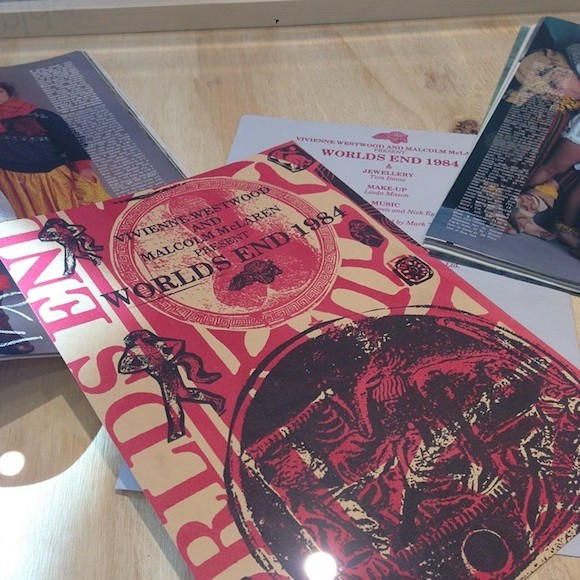
//Young Kim in jacquard Keith Haring print Witches two piece and multi-tongued sneakers. All clothes from Kim Jones coillection. Photo: Jean Francois Carly (c) Malcolm McLaren estate////Fans belt buckles with Fans press statement. Sources: Malcolm McLaren Estate and private collection////Press invite and showcard for the sixth catwalk collection designed by McLaren and Vivienne Westwood: Worlds End 1984, later Hypnos. The partnership was dissolved in March 1984. Malcolm McLaren Archive////ROCK! Marco Pirroni’s Let It Rock ties//
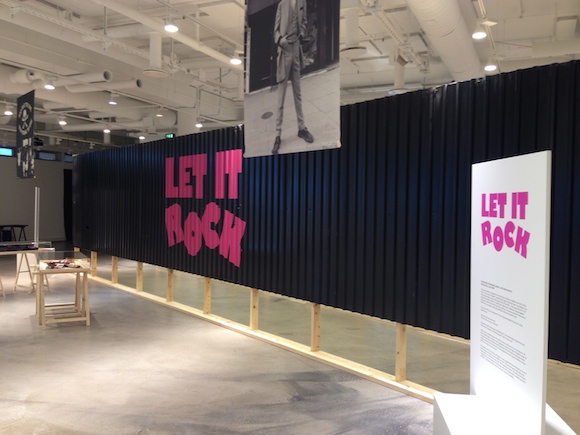
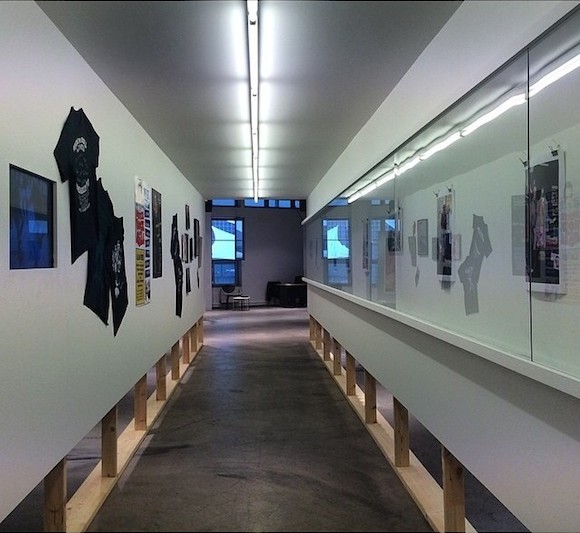
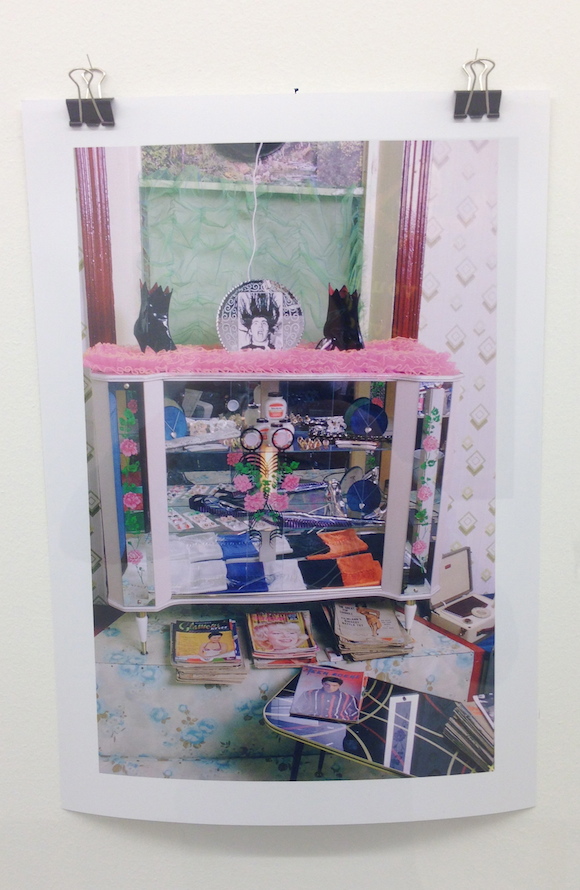
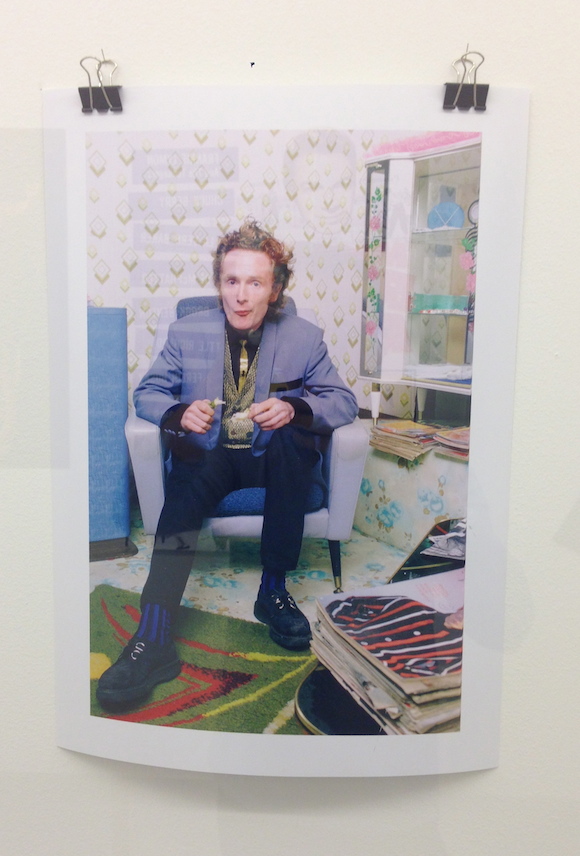
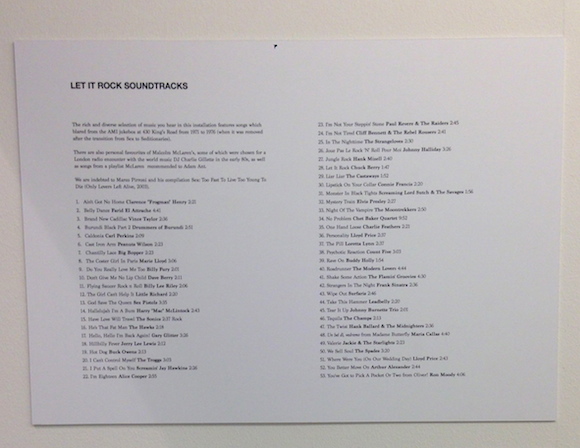
We designed the show centrepiece: an imposing black corrugated iron-clad 12-metre long tunnel installation celebrating McLaren’s first shop, Let It Rock. Among the exhibits inside were previously unpublished photographs of the shop interior taken by the late David Parkinson and an original shop price list owned by McLaren. A bespoke soundtrack blared music as featured on the jukebox at 430 King’s Road as well as personal favourites of McLaren’s, from Burundi Black by the Drummers Of Burundi to Cast Iron Arm by Peanuts Wilson and Hallelujah I’m A Bum by Harry “Mac” McLintock.
//Installation exterior////Installation interior////Let It Rock display cabinet, January 1972. Photo: David Parkinson////McLaren’s framed copy of the LIR price list he designed in 1972. Malcolm McLaren Estate////January 1972. Photo: David Parkinson/////Tracklisting for songs played in the insatllation//
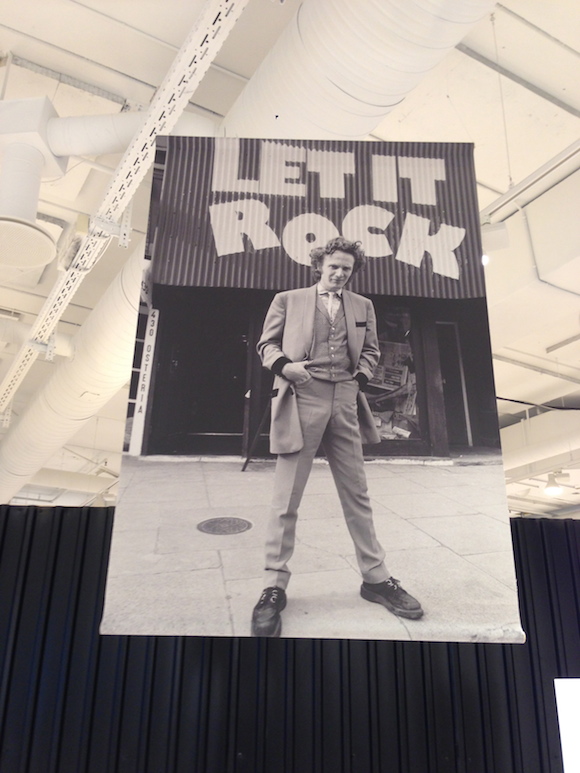
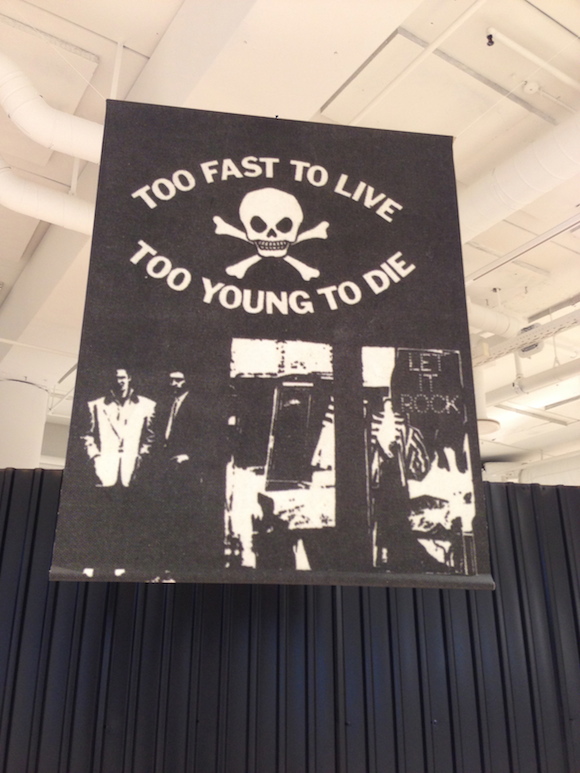
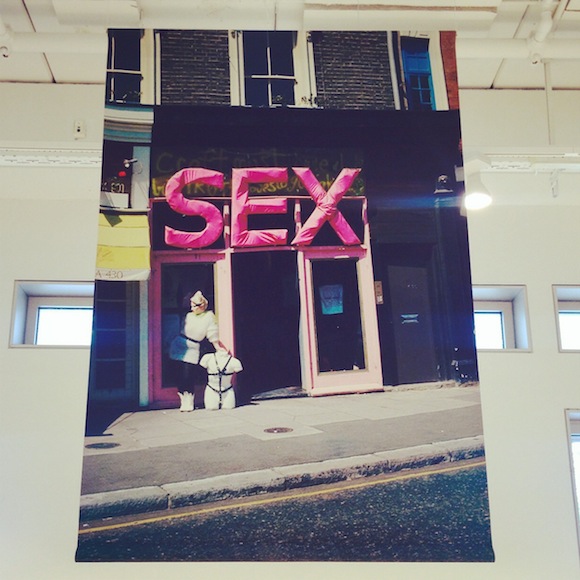
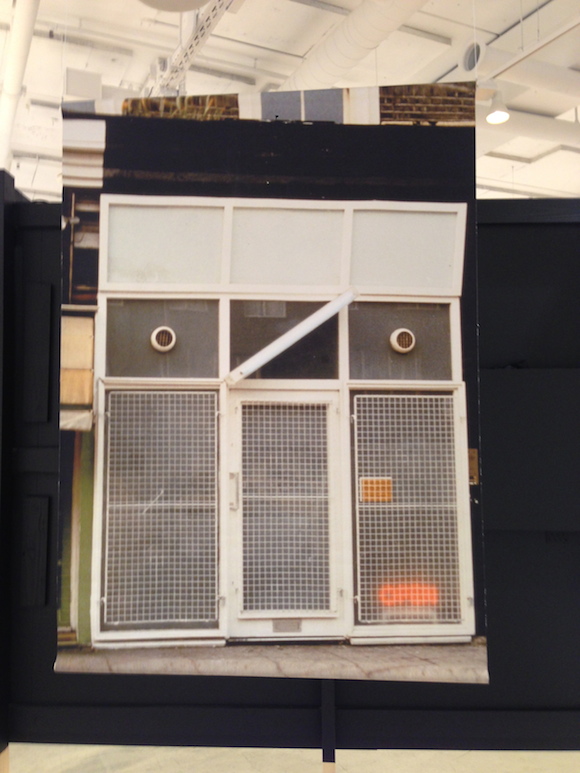
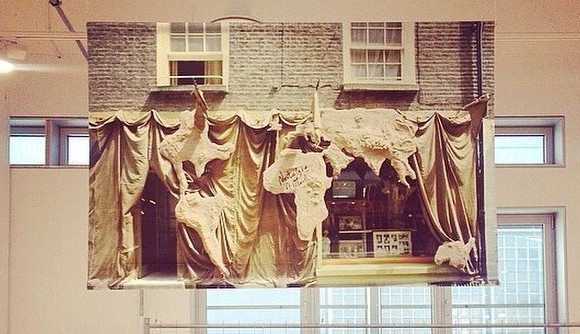
The show was subdivided into six areas each dedicated to a manifestation of the outlets McLaren operated with Westwood. These were signposted by 60 x 40″ photographic blow-ups of the exteriors we commissioned to be printed on canvas to add dimension and presence.
//Let It Rock exterior with McLaren in foreground, 1972. Photo: Mirrorpix. Printed on canvas 60 x 40″////Too Fast To Live Too Young To Die with McLaren and Gerry Goldstein in foreground, 1973. Photo: Malcolm McLaren Estate. Printed on canvas 60 x 40″////Sex with shop assistant Jordan in foreground, 1976. Photo: Sheila Rock. Printed on canvas 60 x 40″////Seditionaries frontage, 1976. Photo: Ben Kelly. Printed on canvas 60 x 40″////Worlds End frontage, 1981, photo: Sheila Rock. Printed on canvas 60 x 40″. Left: Marco Pirroni’s Let It Rock drape suit////Nostalgia Of Mud, 1982. Photo: Sheila Rock. Printed on canvas 40 x 60″//
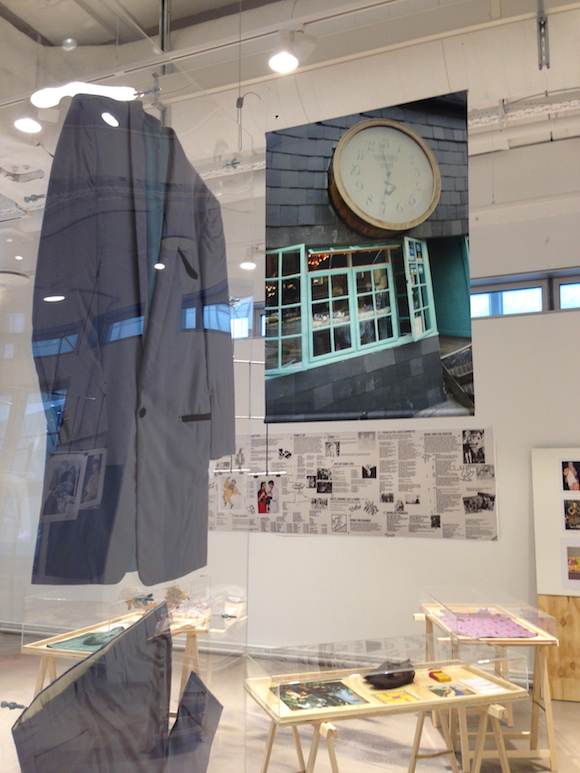
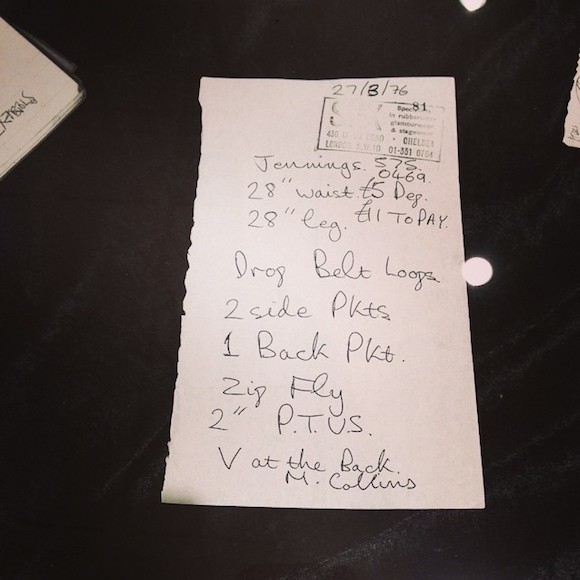
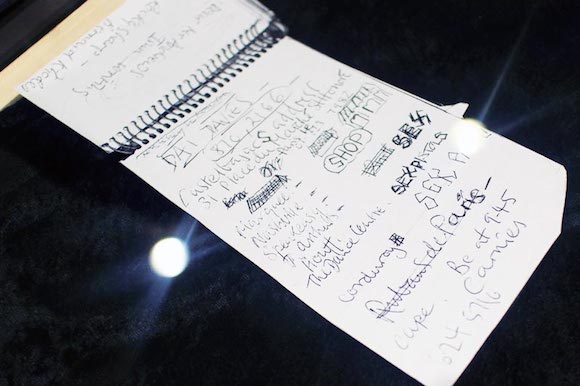
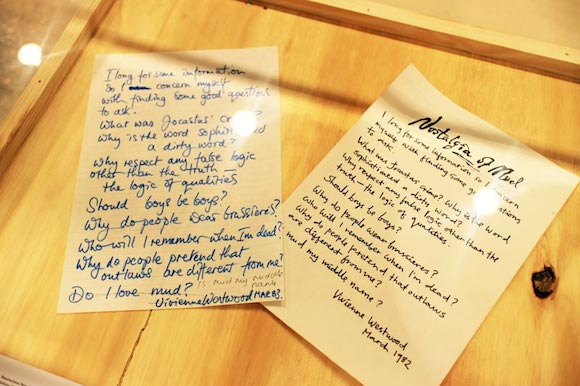
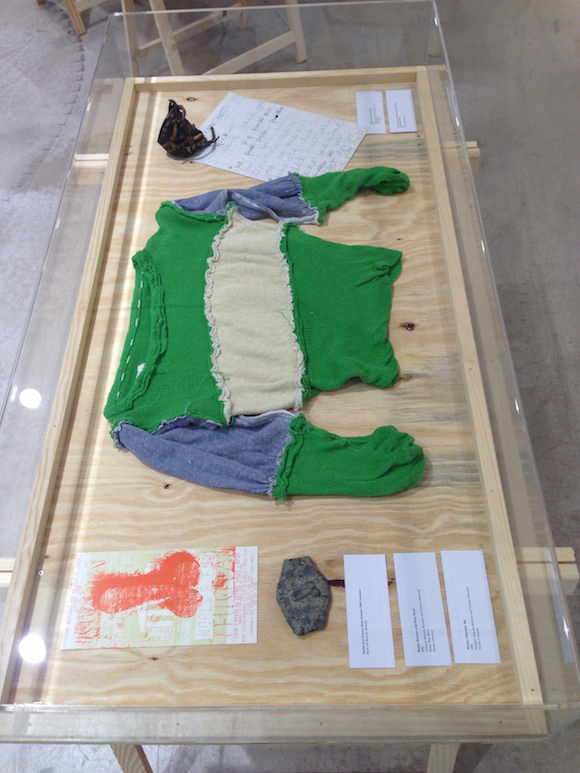
With text panels explaining exhibits in McLaren’s own words, each section also featured photographic mobiles suspended from the ceiling and Perspex-topped vitrines containing original garments, photography, notebooks, sketches and ephemera.
//Customer deposit receipt, Sex, 1976. Signed by shop assistant Michael Collins. Paul Burgess Collection////Pages from McLaren’s 1976 notebook. Paul Burgess Collection////McLaren’s handwritten Nostalgia Of Mud press release for Vivienne Westwood; her version in her own handwriting. Photo: Jean Francois Carly (c) Malcolm McLaren Estate//
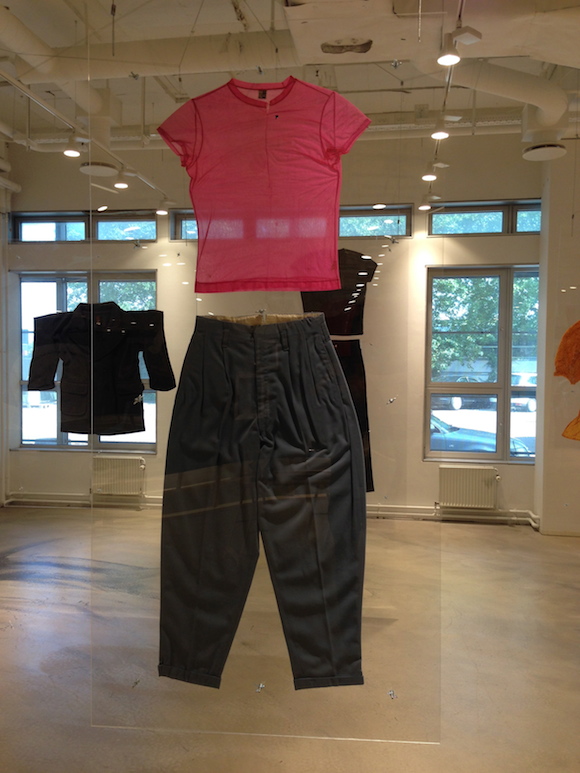
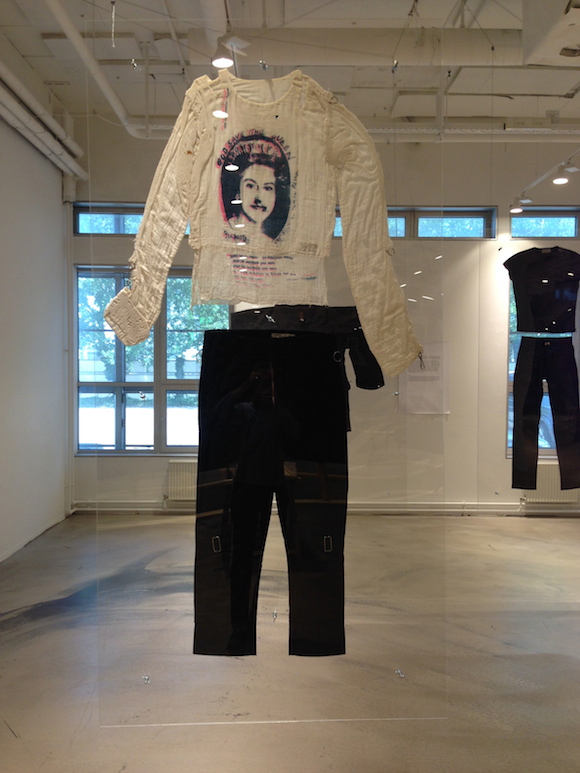
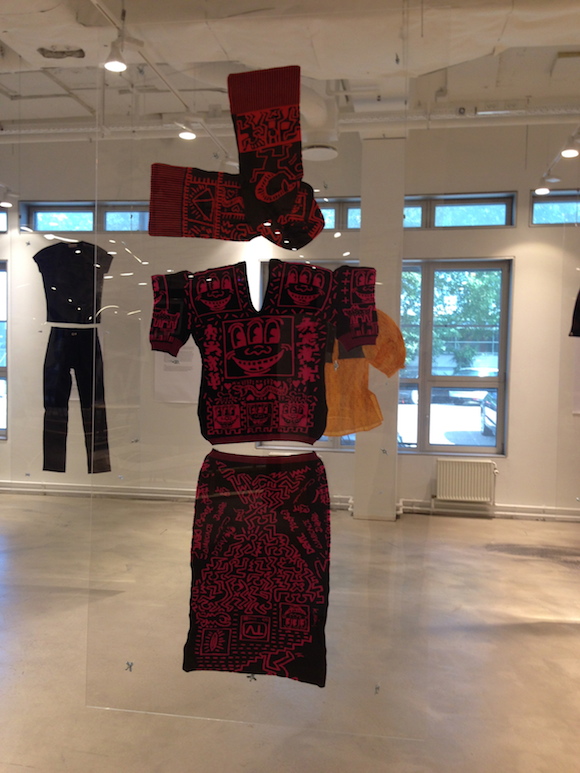
One area of the show was dedicated to 10 outfits reflecting the span of the designs from Let It Rock to Nostalgia Of Mud. Our solution to the ticklish problem of how clothes are presented in exhibitions was to fly these from the ceiling between sheets of Perspex, and we made a selection from the Estate archive as well as contributions by the likes of Louis Vuitton’s style director Kim Jones and guitarist/songwriter Marco Pirroni.
//Nylon top, Sex, 1976. Peg trousers, Let It Rock, 1974. Kim Jones Collection////God Save The Queen Muslin top, Seditionaries, 1977. McLaren’s bondage trousers, Sex, 1976. Malcolm McLaren Estate/private collection////Witches jacquard two piece and scarf with Haring print. Kim Jones Collection//
In the projection room visitors viewed moving images associated with McLaren, from rare film of the catwalk shows he conducted with Westwood in the early 80s to video clips for his hits such as Buffalo Gals and Soweto.
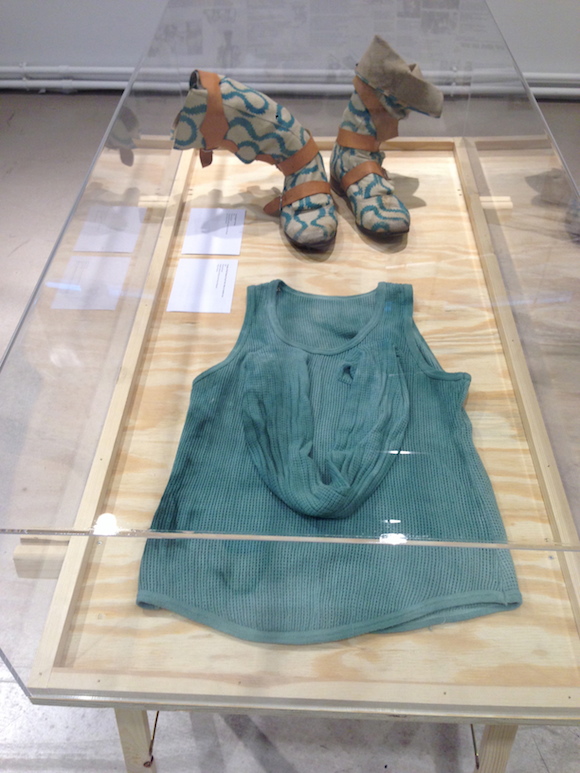
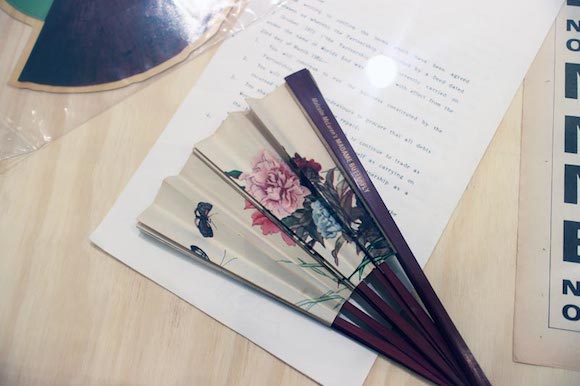
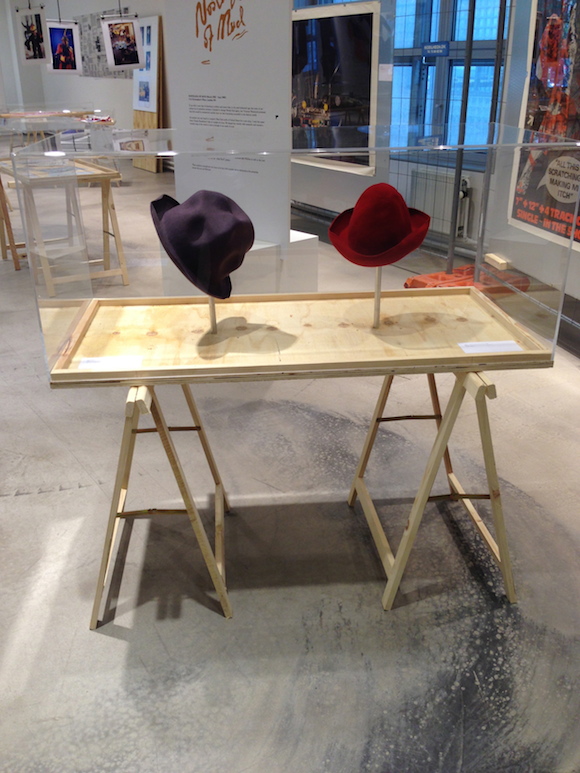
//Marco Pirroni’s print pirate boots, Worlds End, 1981. Top worn by Annabella Lwin of Bow Wow Wow in performance and subsequently dyed. Private collection////Savages Navajo print dress with McLaren’s annotated copy of Indian Rawhide. Both private collection////Invitation to Witches collection show, Folkways top, Dances Of The World’s People. Malcolm McLaren Estate/private collection////Two rubber bracelets deisgned by Tom Binns for Worlds End S/S 1984 with Hobo-Punkature top and Worlds End 1984 invite. Malcolm McLaren Estate/private collection////Document confirming the dissolution of the design partnership between McLaren and Westwood, March 1984. It is important to note that McLaren did not relinquish authorship over the works they produced together////The final exhibit: Buffalo hat and McLaren’s Chico hat. Kim Jones Collection/Malcolm McLaren Estate.//
Many visitors told us they were bowled over by the show; now we are working on another McLaren exhibition as part of Art In Pop at Le Magasin in Grenoble, France, this autumn. This will encompass McLaren’s creative output from his art-school days through his careers in fashion, music and film to his final works as a visual artist. I’ll keep you informed; it runs from October to January next year.
Follow these links for media coverage of Let It Rock:
Thanks go to CIFF fashion/design director Kristian Andersen and creative directors Pierre Tzenkoff + Arnaud Vanraet for their foresight in commissioning this show, and also to the exhibition architect, the talented Jean-Christophe Aumas and his excellent team of builders, particularly Annette, Henning + Stefan.
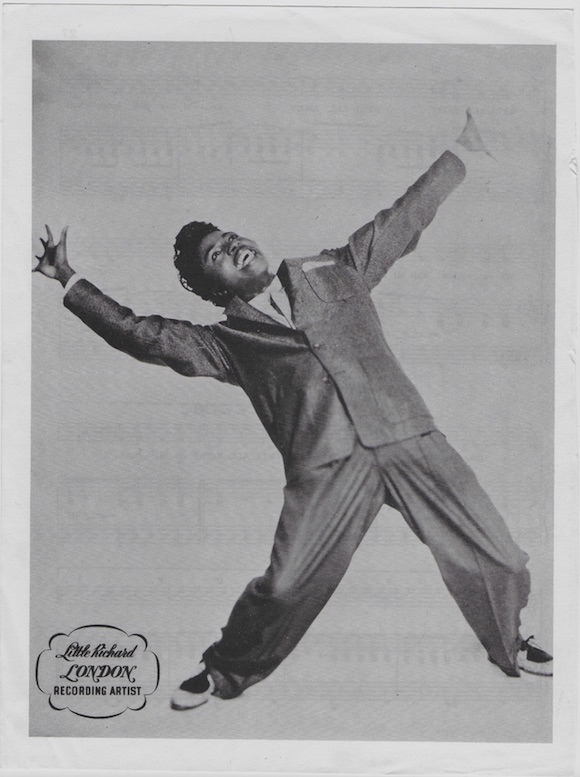
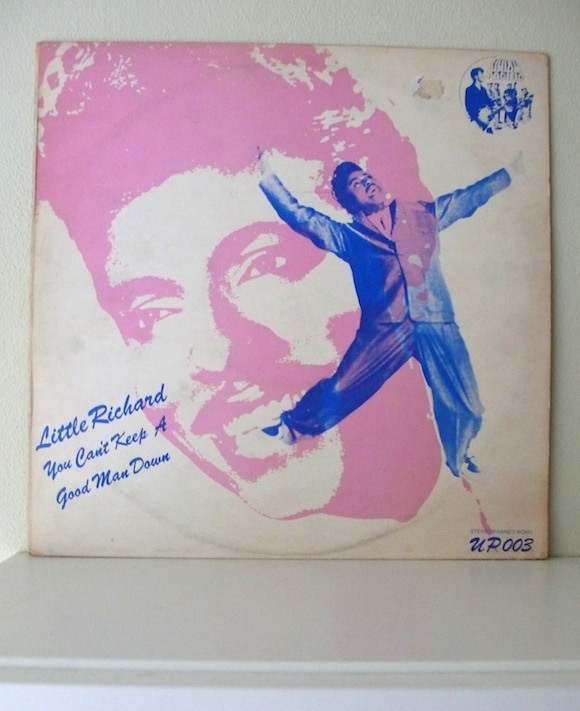
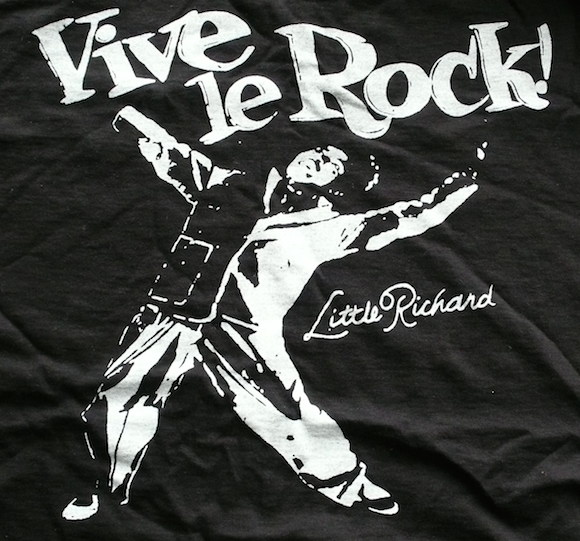
//Malcolm McLaren in front of display of Belgian 50s rock n roll movie posters inside Let It Rock, 430 King’s Road, January 1972. Note Vive le Rock! poster top left. Photo: David Parkinson////Taken by John E. Reed in 1956 to promote teen-movie Don’t Knock The Rock, the photo was reissued by London Records to mark the release of the four-track EP Little Richard And His Band////Front cover, You Can’t Keep A Good Man Down, Little Richard, Union Pacific, 1972. Designer: Unknown////As shown on this repro, McLaren’s design for the Little Richard shirt sold at the London Rock N Roll Festival held at Wembley Stadium in August 1972//
Yet another example of Malcolm McLaren’s astounding design talent is examined across a number of exhibits at the Let It Rock show, which opens at Copenhagen’s Bella Center on Sunday (August 3).
In 1972 McLaren expanded his investigations into 50s pop design culture by producing a series of t-shirt designs celebrating the great American rock & roll stars performing on the bill of the one-day festival at London’s Wembley Stadium that August.
McLaren continued to followed the path dictated by his formidable art education by creating new artworks out of the juxtaposition of found objects. A 1956 promotional photograph of Little Richard provided the main image for the shirt dedicated to The Georgia Peach.
In 1972 it also appeared on the cover of the UK compilation You Can’t Keep A Good Man Down; that year also witnessed a revival of interest in the pompadoured Richard Penniman after Let It Rock customer Charles (now Lord) Saatchi featured a Little Richard song in a 50s-styled TV advert for Libro jeans.
//The title lettering on the poster was isolated////Reed’s image was flipped vertically//
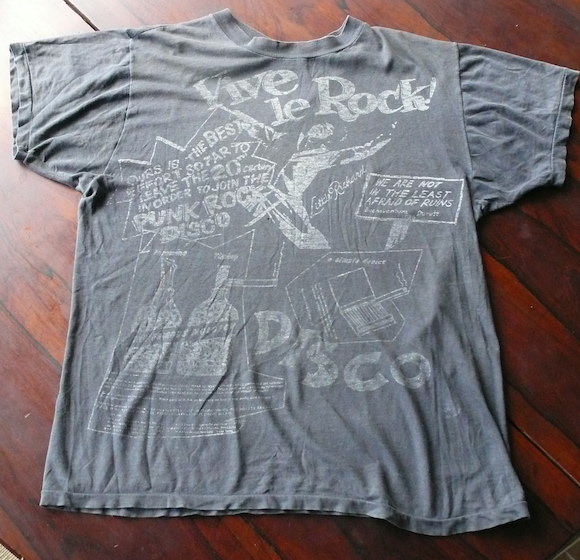
McLaren flipped the image, reversed it out and positioned the exuberant figure with the joyous title lettering from a rock & roll movie poster he stocked in Let It Rock. Vive Le Rock! was, in fact, the French title of the 1958 US production Let’s Rock, so tied indirectly with the name McLaren had chosen for his own venture. In Britain the film was marketed under the tamer Keep It Cool.
//Poster for the American release of the movie, 1958////McLaren later incorporated the Vive Le Rock! elements into a fresh composite for sale in 430 King’s Road when it was Seditionaries in 1979. This also featured Situationist slogans, a quote from the early 20th century Spanish anarcho-syndicalist Buenaventura Durruti and “recipes” from William Powell’s The Anarchist’s Cookbook, first published in 1971//
The Copenhagen show features a Let It Rock installation complete with a series of large prints of previously unseen photographs taken by David Parkinson inside 430 King’s Road in January 1972. Included is a full version of the image at the top of this post, as well as a Vive le Rock! shirt and the Little Richard LP cover.
Let It Rock: The Look Of Music The Sound Of Fashion is at the Crystal Hall in Copenhagen’s Bella Center from August 3-6.
//Front cover, Dances Of The World’s Peoples, Vol 3, Folkways Records, 1958. Design: W. Johnson, printed on paper glued to cardboard sleeve.////Front of four-page song and information sheet utilising W.Johnson’s design, paper, 1958////Invitation card to Paris show of McLaren and Westwood’s Nostalgia Of Mud collection, March 1982. Design: Nick Egan. Courtesy Malcolm McLaren Estate//
The idea is to show in clothes and music that, in the post-industrial age, the roots of our culture lie in primitive societies. Malcolm McLaren on Nostalgia Of Mud and Duck Rock, 1983
Thanks to Hiroshi Fujiwara for tipping the wink over one of the sources of visual inspiration fed by Malcolm McLaren into the concepts unified by his solo album Duck Rock, the central London clothing store Nostalgia Of Mud and the fashion collections he designed with Vivienne Westwood in 1982-3.
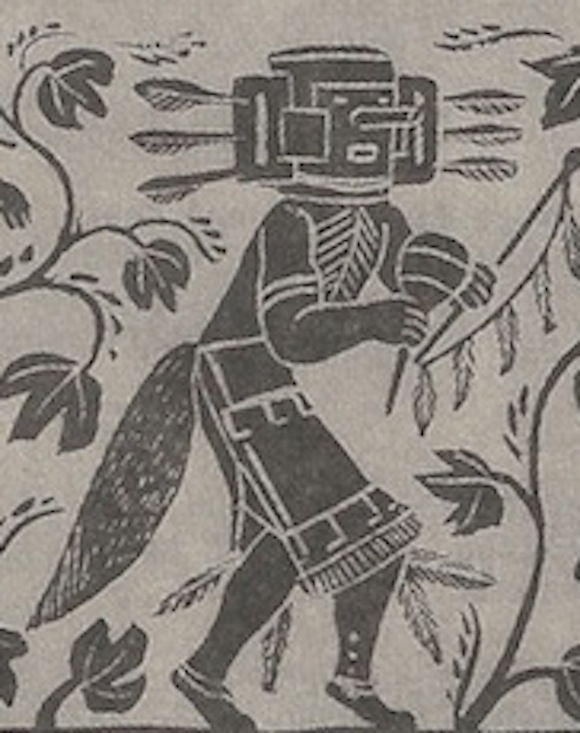
//Witchdoctor figure from W. Johnson’s design////Figure recast by McLaren and Westwood with Keith Haring adornments on cotton top from Witches collection, 1983. From private collection//
One of the cues for Duck Rock’s investigations into music from all over the world was the series of recordings by enthnological music archivists Ronnie and Stu Lipner released on Folkways Records in the late 50s under the banner Dances Of The World’s Peoples. And McLaren’s appropriation of the naive cover art by W. Johnson – in particular the striking witchdoctor figure – found new form in design collaborations with Westwood, graphics supremo Nick Egan and artist Keith Haring.
//Nostalgia Of Mud pattern show card, 1982. Courtesy Malcolm McLaren Estate//
McLaren’s brilliance at fusing disparate elements into culture-defining and dazzling artworks is being celebrated next week with the exhibition Let It Rock: The Look Of Music The Sound Of Fashion at the Crystal Hall in Copenhagen’s Bella Center.
The show – which runs from August 3-6 during Copenhagen Fashion Week – will incorporate hundreds of exhibits, many rare and never previously shown to the public, including clothing and objects featured here such as the Witches top, the show cards and original copies of the Dances Of The World’s Peoples LP and catalogue.


 //Clockwise from top left: A UFO by Ettore Sotsass, Italy 1957. Manufacturer Arredoluce; Passiflora by Superstudio, Italy 1966. Manufacturer: Design Centre; Belt Lamp by Gaetano Pesce, USA 1995. Manufacturer: Fish Design; C2 by Studio Rossi-Molinari, Italy 1969. Manufacturer: Totem//