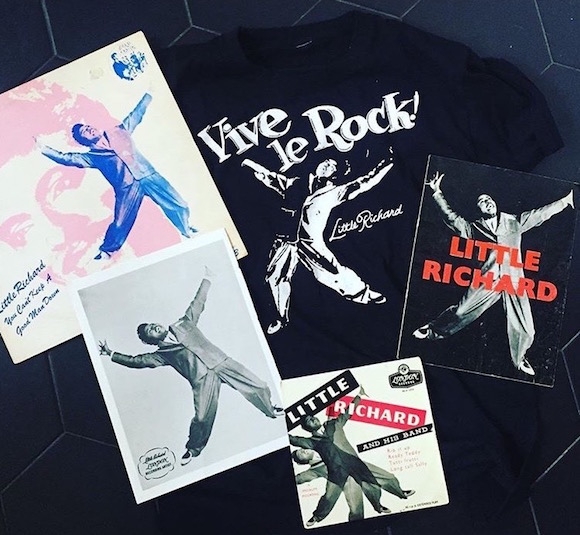
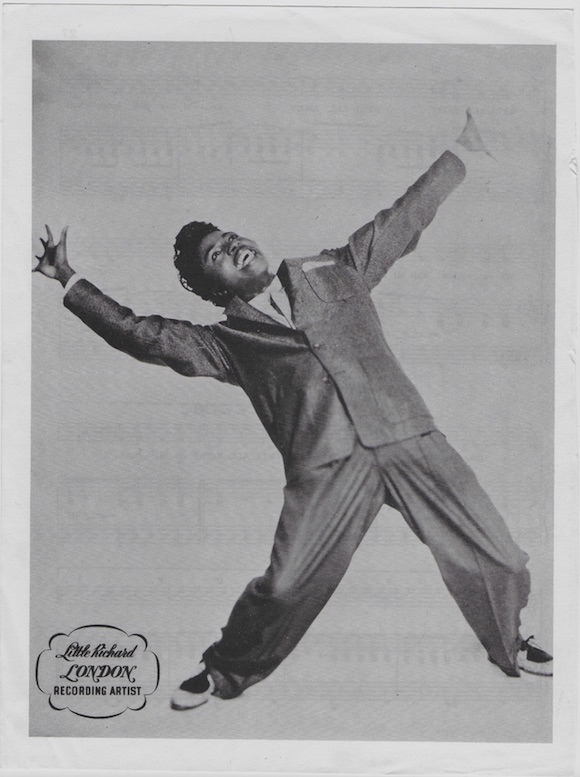
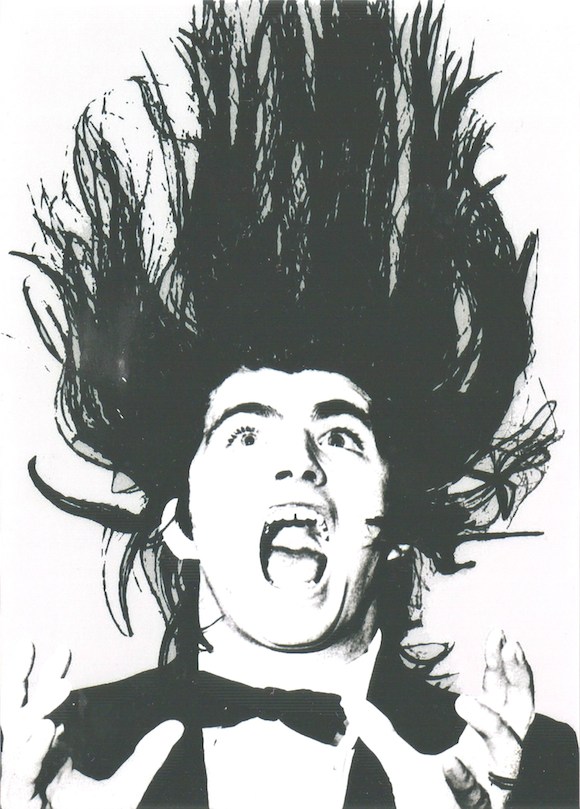
In 1956 the Hollywood photographer John E. Reed took a series of promotional shots of the stars of DJ Alan Freed’s rocksploitation flick Don’t Knock The Rock.
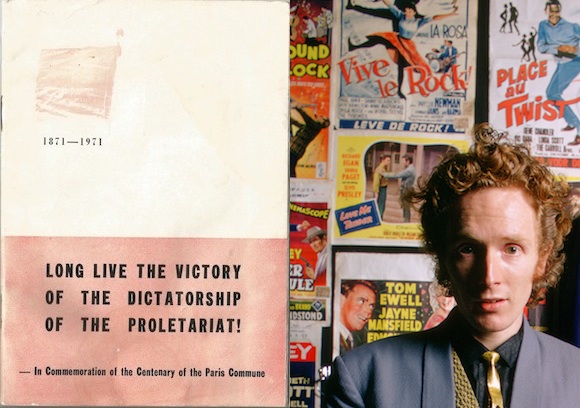
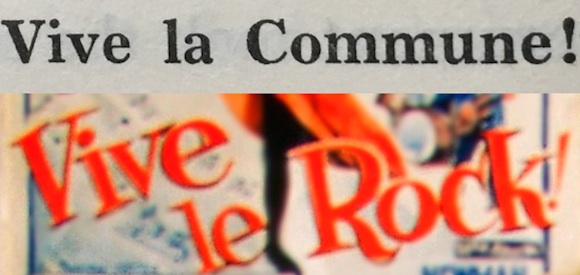
//From top left: Chinese Communist Party pamphlet, 1971; McLaren in Let It Rock 1972; Proclamation by Engels and Marx, 1881; Title lettering, Belgian film poster, 1958//
A year or so ago I established the source material for one of the first designs generated by Malcolm McLaren in the fashion partnership he conducted with Vivienne Westwood in the 70s and early 80s.
Now I can reveal the inspiration: text contained in an unprepossessing Communist booklet celebrating the short-lived “Paris Commune” government of 19th Century revolutionary France.
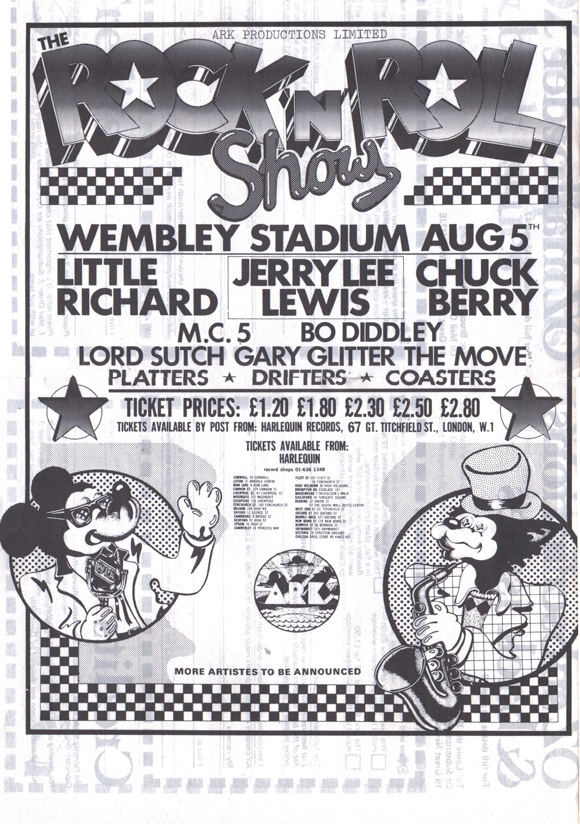
//Flyer for The Rock n Roll Show printed on the back of a subscription form for Oz magazine, July 1972. The Move were replaced by lead member Roy Wood’s new band Wizzard; this was their first gig. Original Brit-rocker Heinz was added to the bill; his backing band would soon become Dr Feelgood//
I acquired my first underground press publications in the summer of 1972, at about the point when the sector was taking the nosedive from which it never recovered.
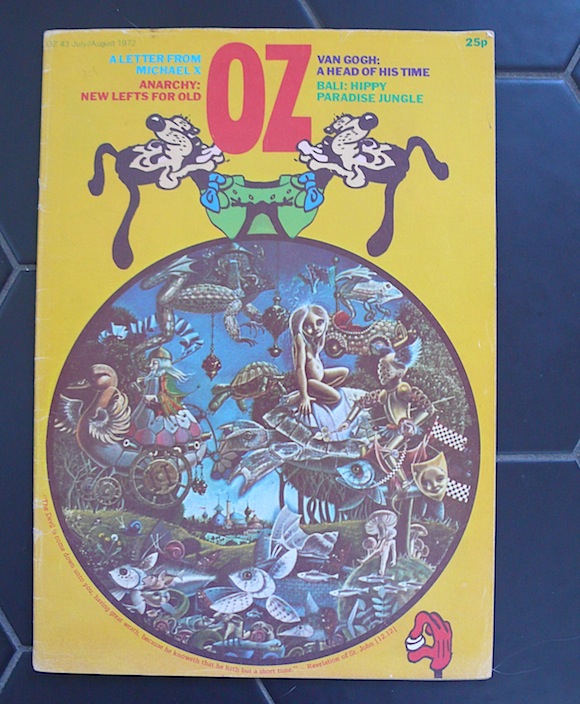
Still, better late than Sharon Tate, as they say. Aged 12, my taste had been whetted by sneak peeks at an older brother’s collection of magazines when a guy called Kevin O’Keefe who lived down the road gave me a few copies of Oz, including number 43, the July issue.
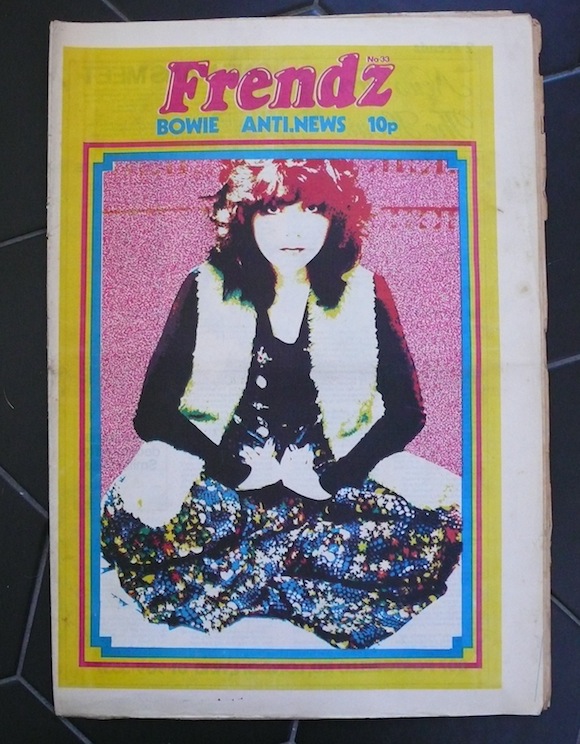
A few weeks later, to my astonishment, the newsagents in Hendon’s Church Road started stocking Frendz. I folded issue 33 between a couple of music papers and pored over it in my bedroom.
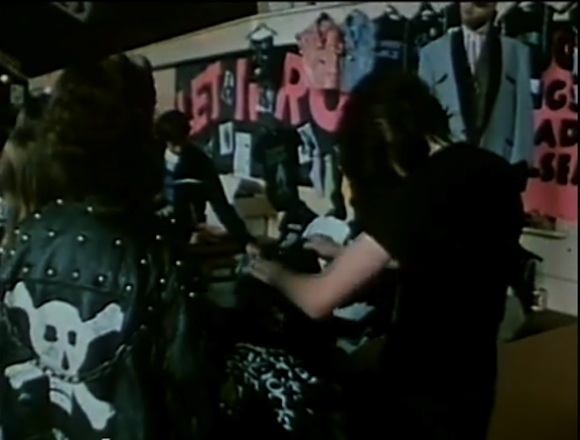
//Front cover of OZ 43, the issue which included the Wembley flyer////Front cover, Frendz 33, September 1972////Crowds around the Let It Rock stand. From the 1973 film London Rock N Roll Show directed by Peter Clifton//
Neither of the magazines are shining examples of the genre, but they had something in common: the centre spread of OZ 43 contained a subscription form back-printed with a flyer for the London Rock N Roll Show, a one-day festival of original 50s acts and those who could claim kinship held at Wembley Stadium on August 5 that year.
And for me the most beguiling article in Frendz 33 was a two-page stream-of-consciousness report of the event filed by one Douglas Gordon and illustrated with photographs by Pennie Smith, soon to leave for the NME and carve out her reputation as one of rock photography’s all-time greats.
//Marrion Womble + Barbara Trentham in City Lights Studio clothes, London, 1973.//
Herb Schmitz proudly describes himself as a photojournalist.
From the start of his career in London in the late 60s, the Dusseldorf-born Schmitz has turned an unerring eye to all manner of subject matter: seascapes,Turkish gangsters, the WW2 head of the Polish government in exile, the social scene in latterday Shoreditch (where he has operated a studio for more than 25 years)…
//Ika Hindley models Hamnett bangles, 1973.//
In the wake of a recent exhibition at Amsterdam’s Unseen Photo Fair, Schmitz has opened his archive of early 70s fashion photography for me, revealing images of a lost London demi-monde clad by such hallowed enterprises as City Lights Studio (the Covent Garden boutique operated by the subject of my latest book, Tommy Roberts) and Katherine Hamnett’s label Tuttabankem.