


Two short films representing the voices of independence in the Somerset House show PRINT! Tearing Up are available online and for visitors to the exhibition.
Continue reading Voices of independence: PRINT! films go live
Two short films representing the voices of independence in the Somerset House show PRINT! Tearing Up are available online and for visitors to the exhibition.
Continue reading Voices of independence: PRINT! films go live

As well as the Newsstand (see last post), PRINT! Tearing It Up features three listening booths where visitors to the exhibition can hear podcasts featuring some of the greats of British independent magazine publishing.
Continue reading PRINT! podcasts: Independent magazine pioneers and contemporary movers + shakers

Recent encounters with Time Out founder Tony Elliott have brought to mind the audacious sign created by design collective Electric Colour Company to mark the magazine’s move into premises at 374 Gray’s Inn Road.
Continue reading Electric Colour Company’s sign for Time Out’s Gray’s Inn Road offices, 1970
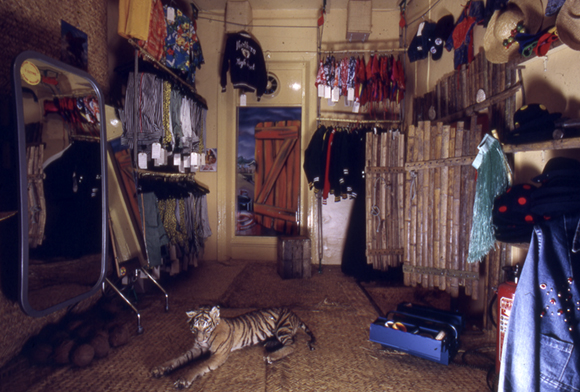
I first wrote about Electric Colour Company – the design studio formed in the East End by four fine art students in the late 60s – in The Look and then in more detail here.
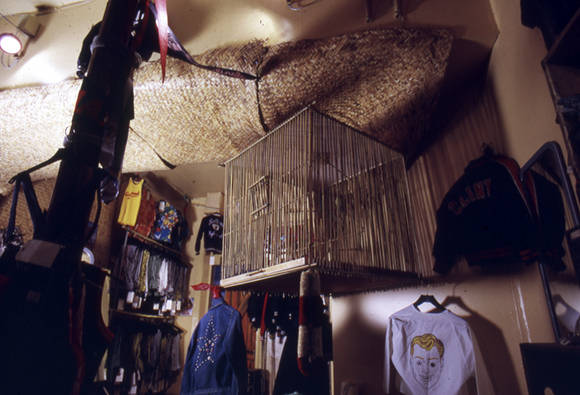
In my view, ECC deserves much greater recognition for executing some very clever work in the field of retail design and interiors in the period 1969-1973.
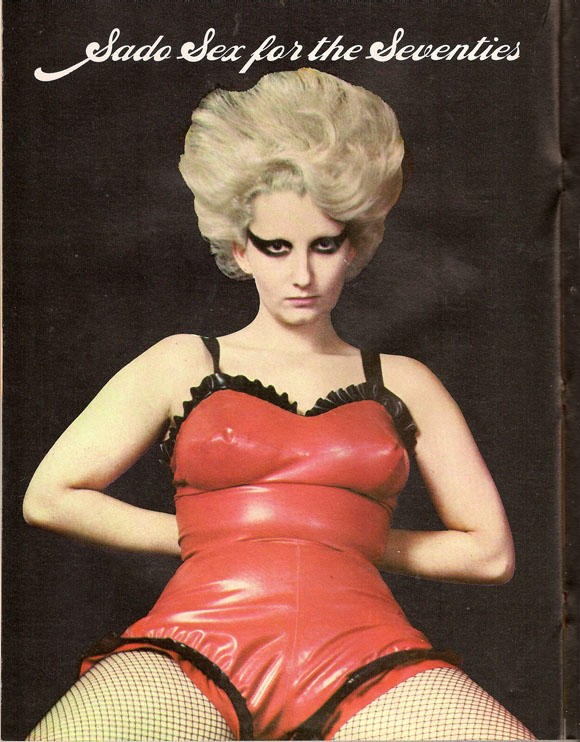
It’s unlikely that cities will shake or nations start to rock under the impact of Malcolm McLaren’s sexual revolution. A few people might die though.
Malcolm McLaren, at 30, is a mixture of entrepreneurial cultist, sexual evangelist, businessman, artist, fetishist and political philosopher; a psychotic visionary in the ephemeral subculture of the fashion world.
David May, Gallery International Vol 1 no 4.
In November 1975 – by which time his charges the Sex Pistols had just embarked on live performances – Malcolm McLaren was interviewed by journalist David May at 430 King’s Road, then in full bloom as radical retail venture SEX.