//Hawkwind’s Space cut-out-and-keep 21-card “Galactic Tarot” pack arranged in the shape of a hawk in IT 117, November 18 – December 2, 1971. Design: Barney Bubbles////The cards arranged in rows of seven as recommended by the instructions//
In November 1971, design legend Barney Bubbles produced a typically audacious promotional item for Hawkwind’s recently released album X In Search Of Space.
//The first vitrine contains original copies of Blast 2 (1915), Crash! 1 (1997) and gal-dem 2 (2017). Photo: @hellenelleliang////Enjoying browsing the magazines on the PRINT! newsstand. Photo: @jasonthien////Contributor Alpa Depani talking about her zine Romp with members of the New Architecture Writers group. Photo: @paul_g0rm4n//
//Barney Bubbles pasting up a page layout at Friends office on the upper floors of 305 Portobello Road, 1971////Caroline Coon in interview about Release at the drug charity’s premises at 50a Princedale Road, W11//
The BBC TV documentary The Alternative Society is an intelligent snapshot of London’s Notting Hill-based early 70s counterculture.
Taking its title from a song on hippie outfit Quintessence’s debut album, Jo Gannon’s documentary Getting It Straight In Notting Hill Gate – as featured on the BFI’s website – captures the social churn in the west London neighbourhood at the start of the 70s.
When I first saw it I was questioning a lot of things, not least my adequacy. Things like inspiration, influences, references . . . where do things come from? Copying things—not as “homage'”or “pastiche”, but dying to get inside a thing. Inhabit it. Nostalgia too. Using machines. Colour. Systems. Perpetual motion. Automatism. Copying things. Graham Wood on Existence Is Unhappiness.
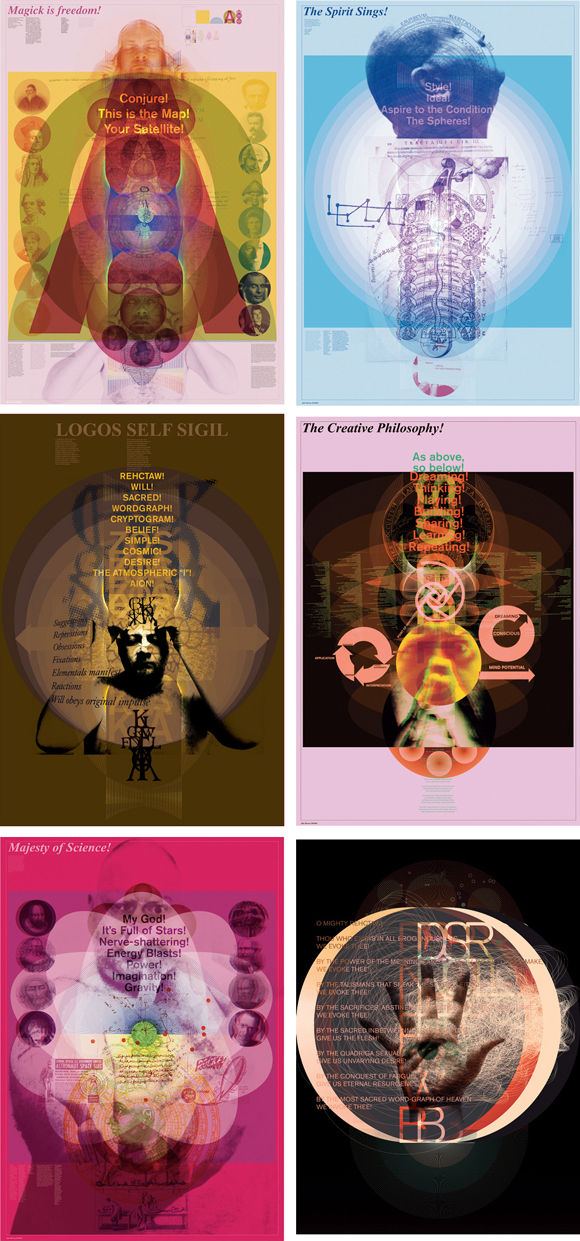
This week sees the London opening of Magick Is Freedom! (After Barney Bubbles), an exhibition of the series of prints made by designer Graham Wood in response to Existence Is Unhappiness, the fold-out poster for the 12th issue of underground magazine Oz published in May 1968 and designed by Barney Bubbles with Sid Squeak and others.
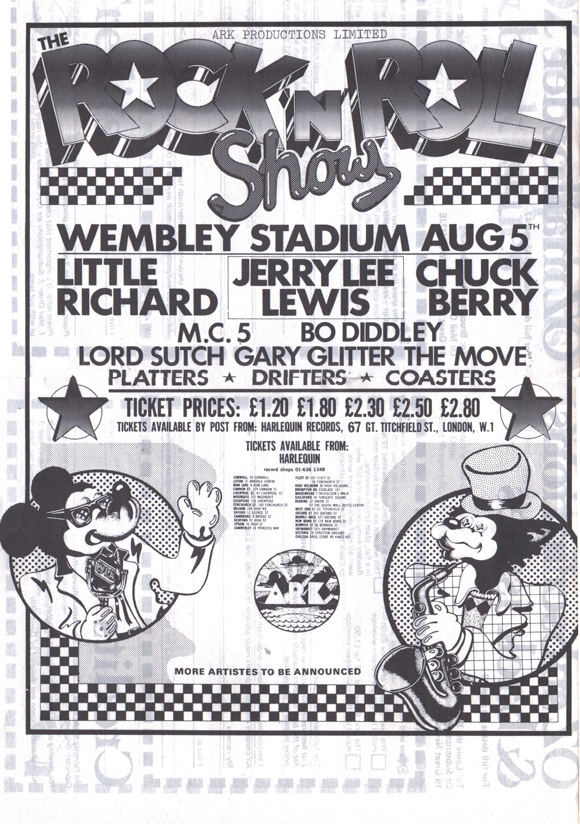
//Flyer for The Rock n Roll Show printed on the back of a subscription form for Oz magazine, July 1972. The Move were replaced by lead member Roy Wood’s new band Wizzard; this was their first gig. Original Brit-rocker Heinz was added to the bill; his backing band would soon become Dr Feelgood//
I acquired my first underground press publications in the summer of 1972, at about the point when the sector was taking the nosedive from which it never recovered.
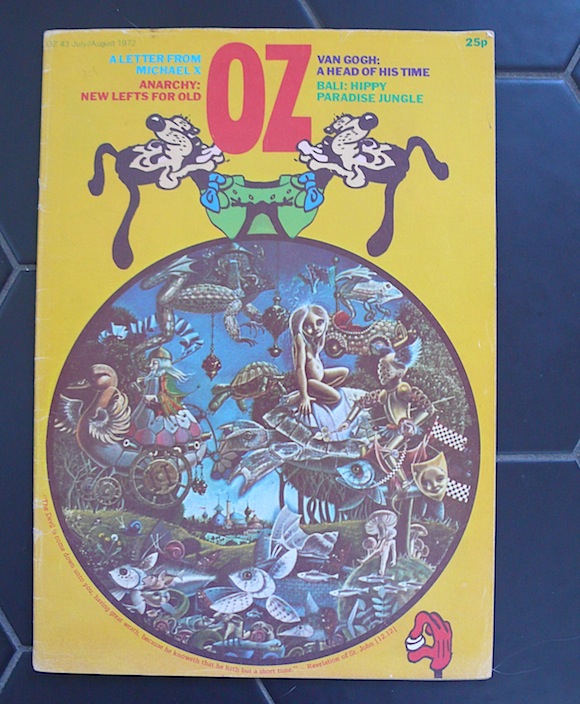
Still, better late than Sharon Tate, as they say. Aged 12, my taste had been whetted by sneak peeks at an older brother’s collection of magazines when a guy called Kevin O’Keefe who lived down the road gave me a few copies of Oz, including number 43, the July issue.
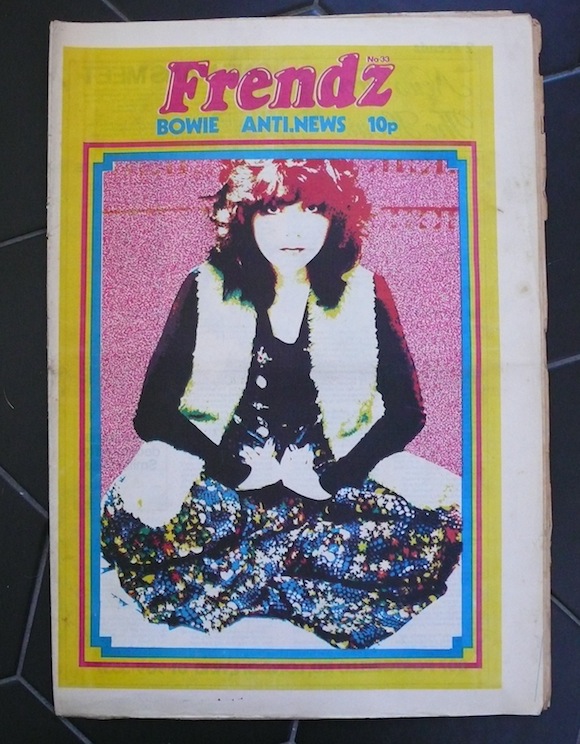
A few weeks later, to my astonishment, the newsagents in Hendon’s Church Road started stocking Frendz. I folded issue 33 between a couple of music papers and pored over it in my bedroom.
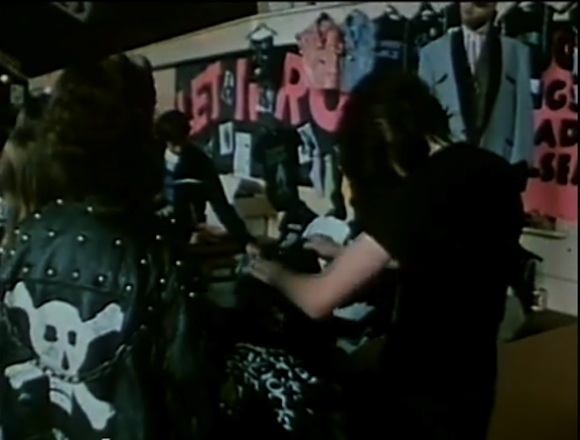
//Front cover of OZ 43, the issue which included the Wembley flyer////Front cover, Frendz 33, September 1972////Crowds around the Let It Rock stand. From the 1973 film London Rock N Roll Show directed by Peter Clifton//
Neither of the magazines are shining examples of the genre, but they had something in common: the centre spread of OZ 43 contained a subscription form back-printed with a flyer for the London Rock N Roll Show, a one-day festival of original 50s acts and those who could claim kinship held at Wembley Stadium on August 5 that year.
And for me the most beguiling article in Frendz 33 was a two-page stream-of-consciousness report of the event filed by one Douglas Gordon and illustrated with photographs by Pennie Smith, soon to leave for the NME and carve out her reputation as one of rock photography’s all-time greats.
“There is a moment when ‘good taste’ becomes dead; what has been considered ‘bad’ is suddenly found to be invigorating. Fashion today has little to do with la mode and the tacky is often accepted as an essential part of the necessary ‘total’ look. It can be fun.”
Cecil Beaton, introduction to the catalogue for the 1971 V&A exhibition Fashion: An Anthology
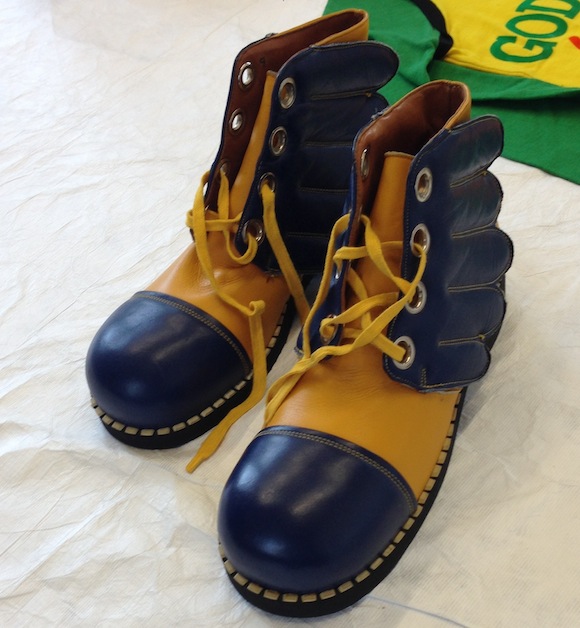
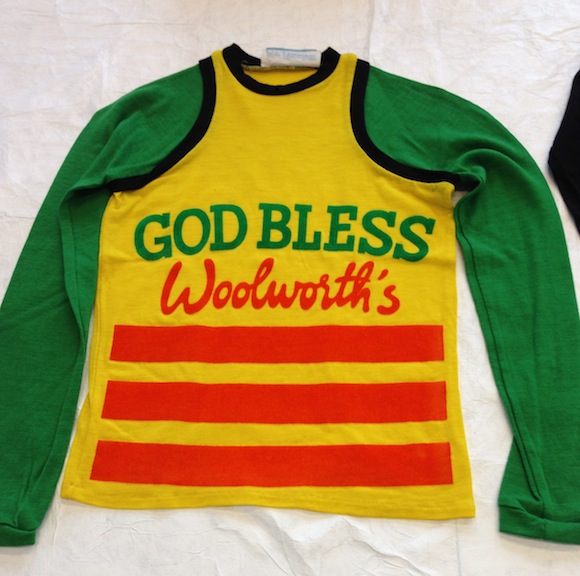
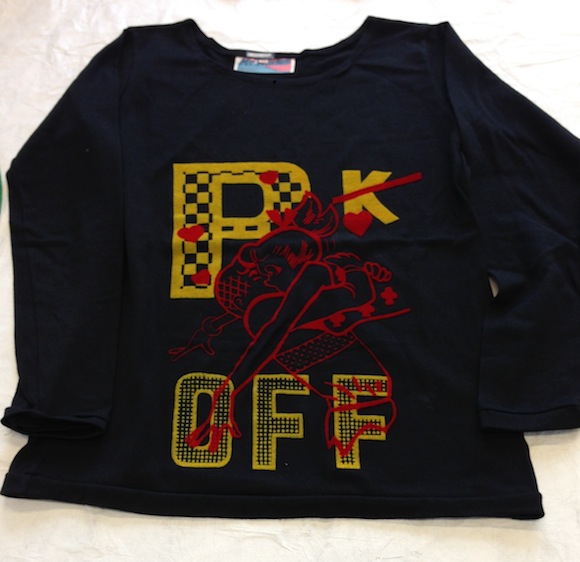
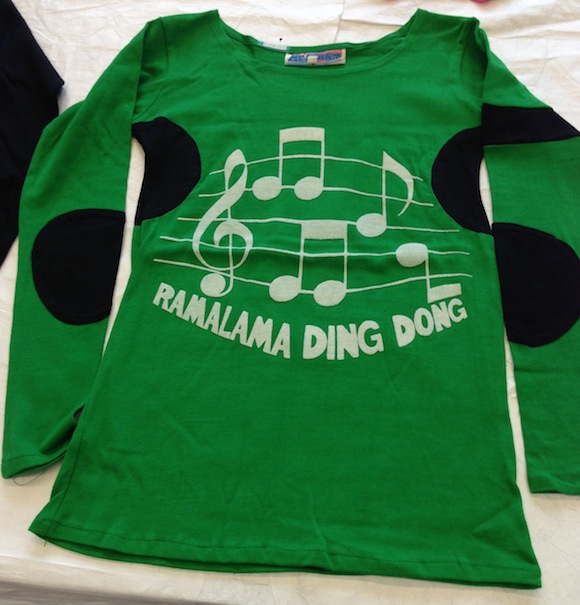
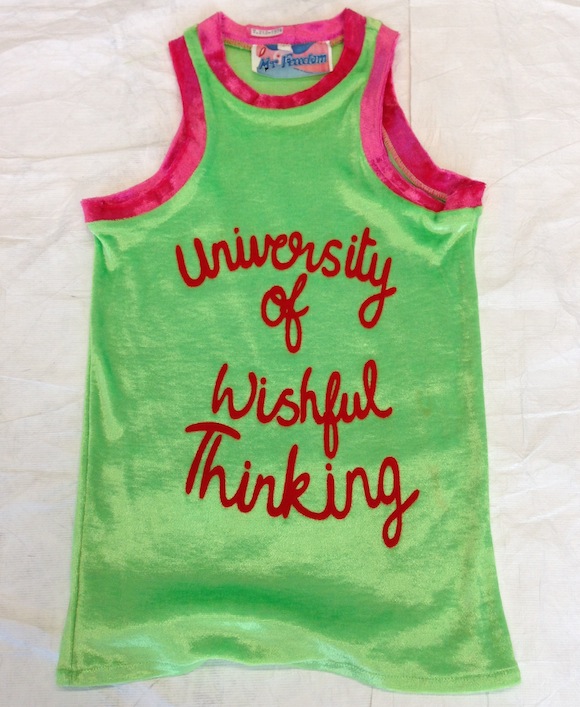
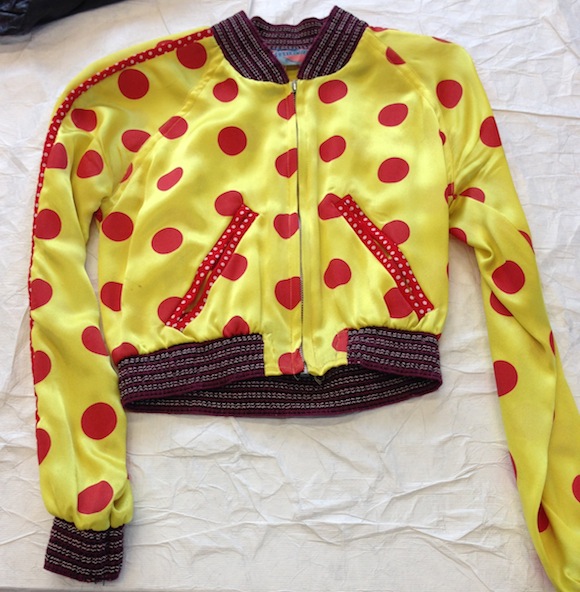
Recent visits to the V&A’s Archive of Art & Design have proved fruitful, particularly a viewing earlier this week of the collection of Pop Art clothing sold through London boutique Mr Freedom in the late 60s and early 70s.
//Design: Diana Crawshaw, 1971////Kiss Off t-shirt, Jim O’Connor, 1971////Design Christopher Snow/Trevor Myles, body design: Diana Crawshaw, 1971////Design: Pamla Motown, 1971//
//Selection of poster prints Graham Wood made for Magick Is Freedom! (After Barney Bubbles)//
Best known as one of the founders of British design collective Tomato, Graham Wood chose a 1968 poster for underground magazine Oz as the wellspring for a series of 24 poster prints.
I corresponded with Wood about the ways in which the original artwork- made by Barney Bubbles and his 60s design partner David Wills with a team of contributors – sparked inspiration for the two dozen A0-size posters, which were exhibited in Stockholm in November 2012.
//Roberts, right, tries on a military greatcoat at I Was Lord Kitchener’s Valet//
Look out for an appearance by Tommy Roberts – subject of my new book – in the 1967 documentary Three Swings On A Pendulum, currently available for viewing (in the UK at least) on BBC iPlayer.