I’m indebted to reader Dave Shaw, who has sent me the photograph above left of himself wearing a very rare rock fashion garment: one of the canvas and leather jackets made famous by Rod Stewart, who sported his on the sleeve of 1970 solo album Gasoline Alley.
The cream jackets with heraldic-style brown trim were made by the maverick British tailor and leatherworker Colin Bennett and co-designed with Lloyd Johnson for sale in Kensington Market in the early 70s.
“When I bought it the guy told me it was the last of three; the others had gone to Rod Stewart and Allan Clarke of The Hollies,” says Shaw. In fact, as Johnson reveals in the comment below, Bennett made around 20 (and Stewart’s has survived in a collector’s archive).
//Left: detail, outer gatefold illustration by Holly Hollington, Greasy Truckers At Dingwalls Dancehall, Greasy Truckers Records, 1973; right: Uschi Obermaier and Michael J. Pollard, Oui, October 1973. Photo: Chris von Wangenheim//
//Left: Detail, uncredited cover photo, Oui, Oct 1973. Art director: Don Menell; right: detail; Greasy Truckers sleeve//
Recently I obtained a pristine copy of the October 1973 issue of American men’s magazine Oui, which contains a Chris von Wangenheim fashion shoot featuring actors Michael J. Pollard and Uschi Obermaier .
To mark the arrival in London of the legendary founder of The Cockettes Fayette Hauser for screenings of rare films featuring the transgressive troupe, here are some extracts from an interview she gave me for the forthcoming Malcolm McLaren biography.
I’m also featuring photographs Hauser took when she hooked up with the late McLaren on the West Coast after the Sex Pistols had splintered in San Francisco at the end of their January 1978 US tour.
With meetings arranged with record company and movie studio producers and financiers, McLaren stayed at West Hollywood’s infamous Tropicana Motel on Santa Monica Boulevard, home to the likes of Tom Waits and visiting musicians from Bob Marley & The Wailers to the Ramones and the Velvet Underground (Andy Warhol’s Heat and Trash were both filmed there).
//60s postcard for The Tropicana Motel and Motor Lodge, 8585 Santa Monica Blvd, West Hollywood, CA//
//In Let It Rock Rock ‘N Roll Lives Chuck Berry T-shirt, 1975. Photo: Ian Dickson/Getty Images//
//Also 1975 – pink pegs from Sex. Photo: Michael Putland/Getty Images//
//At home in London, 1978. Photo: Fin Costello/Getty Images//
//At a Nico show at CBGB, February 1979. Photo: Ebet Roberts/Getty Images//
Guitarist Chris Spedding is one of the unsung heroes of Seventies style.
I’ve been a fan of his music and look since 1974, when I acquired Jab It In Yore Eye. This was the second album by Sharks, formed by Spedding with other survivors of the early 70s music scene after leaving jazz-rock outfit Nucleus and gigging with Jack Bruce.
//Roxy, 25 Kensington Church Street, 1972. Photo: Masayoshi Sukita//
//Inside Roxy, 1972: Shelley Martin in a flamenco dress designed by Dinah Adams. Photo: Masayoshi Sukita//
//Some of the Roxy crowd photographed around the corner from the shop (from left): The late Granny’s co-owner Marty Breslau, whose ensemble includes a Wonder Workshop top; Louise Doktor; Shelley Martin; John Knight. Photo: Masayoshi Sukita//
I’ve been aware of the existence of the Kensington boutique Roxy for some time, particularly since the store name was used as the title of the feature on London street fashion in a 1972 edition of Japanese magazine An An.
But my curiosity was pricked recently while browsing that same issue of An An which appears in Freddie Hornik’s scrapbook (see last post).
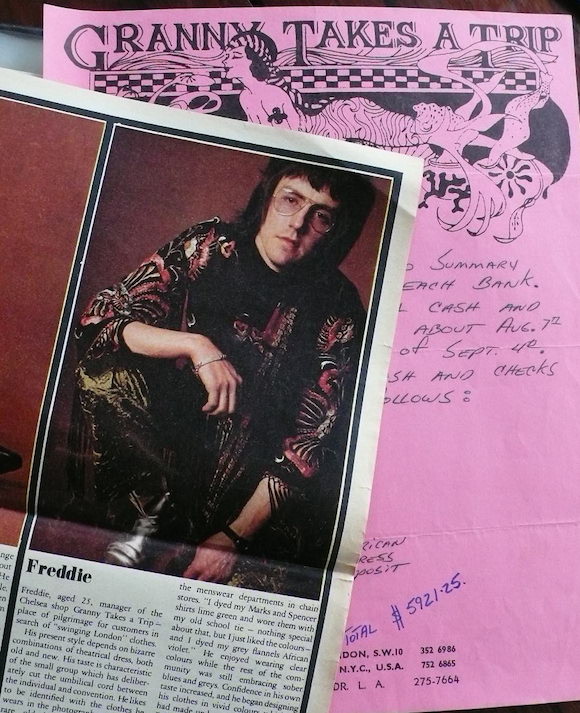
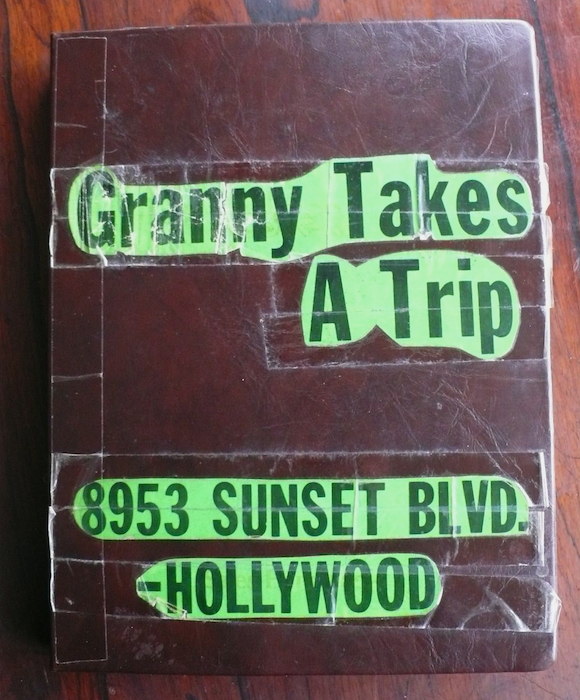
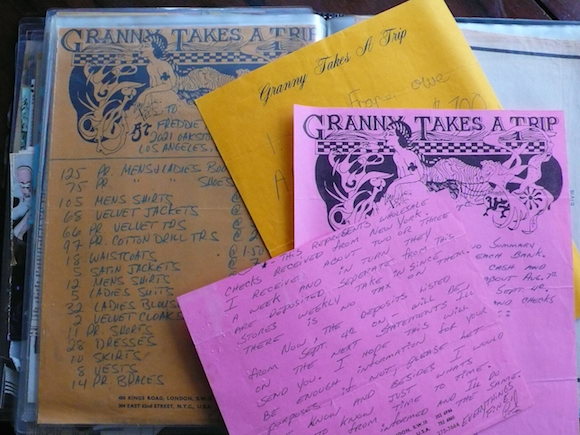
//Hornik featured in the Telegraph magazine in 1969 and GTAT paperwork dating from 1972. The livery was taken from a design by Granny’s founder Nigel Waymouth//
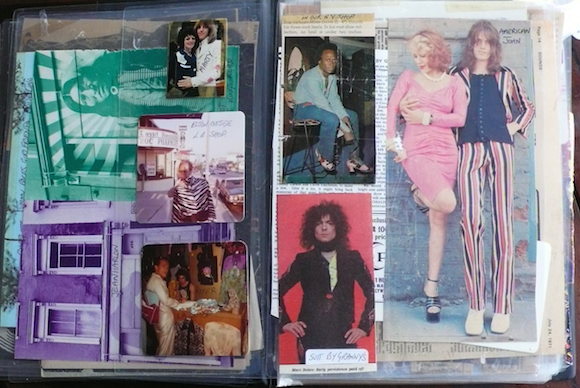
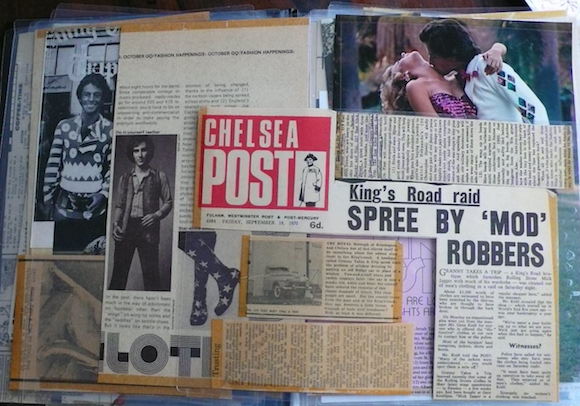
//Hornik maintained his scrapbook from the 60s to his death in 2009//
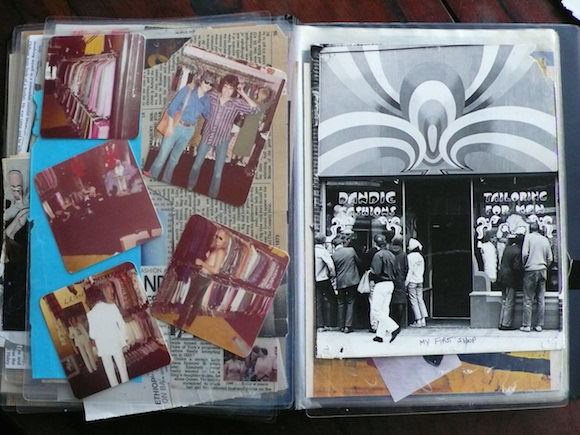
I have just filed a piece for GQ about Granny Takes A Trip and the branches of the King’s Road boutique which opened in the 70s in Manhattan and Hollywood under the stewardship of the late Freddie Hornik.
The feature also scrutinises the scrapbook Hornik maintained from the mid-60s, when he worked at the rival Dandie Fashions at 161 King’s Road, through his acquisition of Granny’s at 488 King’s Road in 1969 from founders Sheila Cohen, John Pearse and Nigel Waymouth.
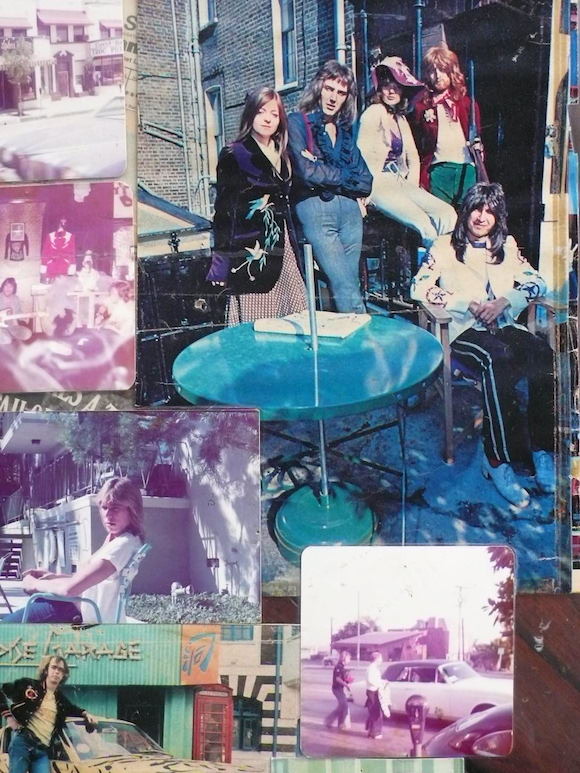
It charts in snapshots, magazine clippings, company paperwork and notes Hornik’s ambitious expansion plan which resulted in partners being brought on board at the Chelsea shop – in the form of co-owners Marty Breslau and Gene Krell – and for the launch of the New York outlet at 304 E.62nd Street, which was owned by John LiDonni and Richie Onigbene.
This strategy proved successful, and was capped by Hornik’s launch with Jenny Dugan-Chapman of an LA branch, first on Doheny in Beverly Hills and then on Sunset Strip.
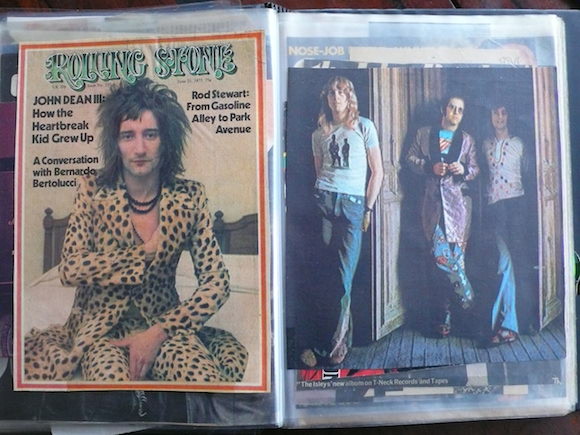
By this time the Granny’s international operation had hit the moment when rock turned to glam. Existing customers such as Paul McCartney, John Lennon, Mick Jagger and Keith Richards were joined by the new raft of dandy peacock performers making the moves in the early-to-mid 70s, including Marc Bolan, Alice Cooper, Bryan Ferry, Elton John, Lou Reed, Todd Rundgren, Rod Stewart and Ronnie Wood.
Hornik’s scrapbook – which was updated for him for a time by LA store manager Roger Klein – makes for a pop culture treasure trove, one which offers rare insights into this exciting era of rock and roll fashion.
Having returned to the UK to live a quiet life in the late 70s, it is poignant to note that Hornik, who died in 2009, kept an eagle eye out for any mention of his outlets and his associates, adding to the scrapbook as the revival of interest in the clothes and characters of the period really started to roll.
I’ll keep you informed as to when the piece is due to appear. Access to the scrapbook courtesy Alex Jarrett.
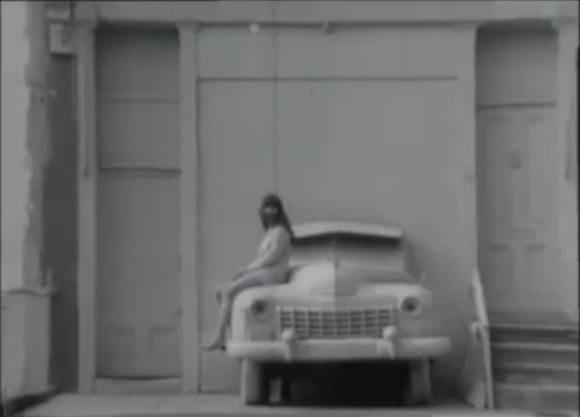
//Still from Long Haired Boy: Diana Crawshaw outside 488 King’s Road, 1969//
Diana Crawshaw – who designed for such boutiques as Mr Freedom and Paradise Garage – has contacted me about an appearance she made in an early pop promo clip: Piers Bedford’s short for the 1968 single Long Haired Boy by American singer-songwriter Tim Rose.
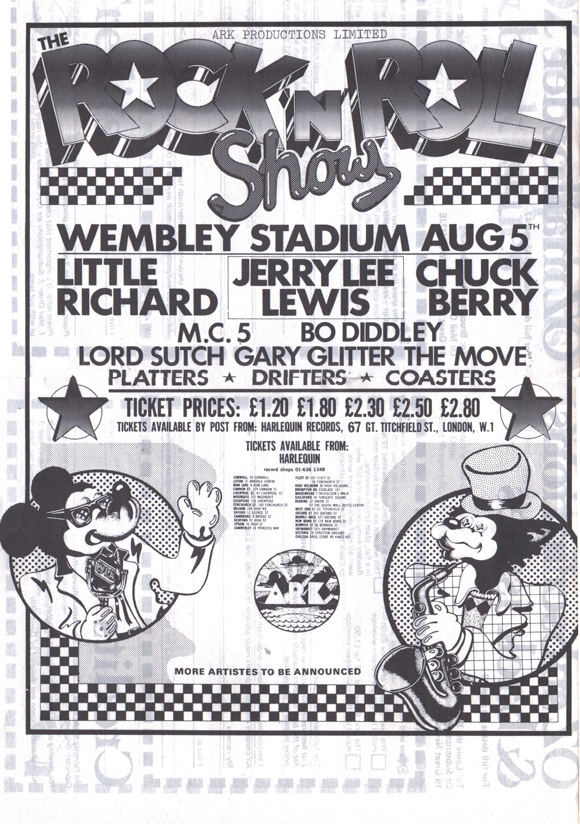
//Flyer for The Rock n Roll Show printed on the back of a subscription form for Oz magazine, July 1972. The Move were replaced by lead member Roy Wood’s new band Wizzard; this was their first gig. Original Brit-rocker Heinz was added to the bill; his backing band would soon become Dr Feelgood//
I acquired my first underground press publications in the summer of 1972, at about the point when the sector was taking the nosedive from which it never recovered.
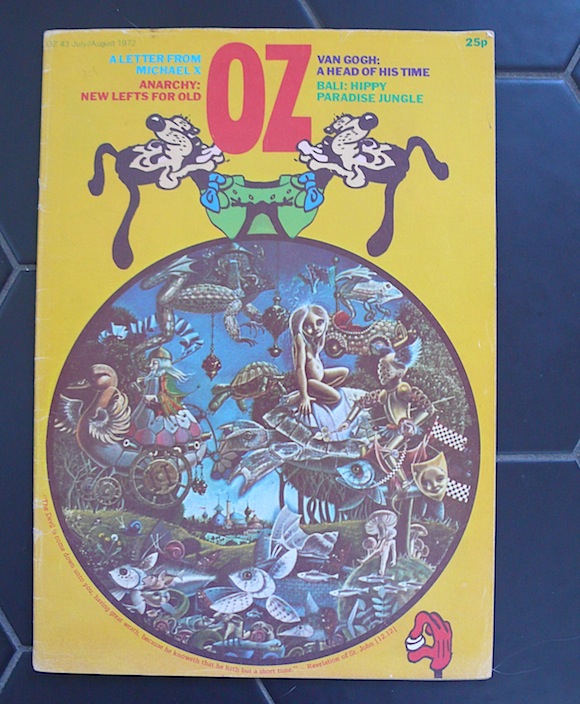
Still, better late than Sharon Tate, as they say. Aged 12, my taste had been whetted by sneak peeks at an older brother’s collection of magazines when a guy called Kevin O’Keefe who lived down the road gave me a few copies of Oz, including number 43, the July issue.
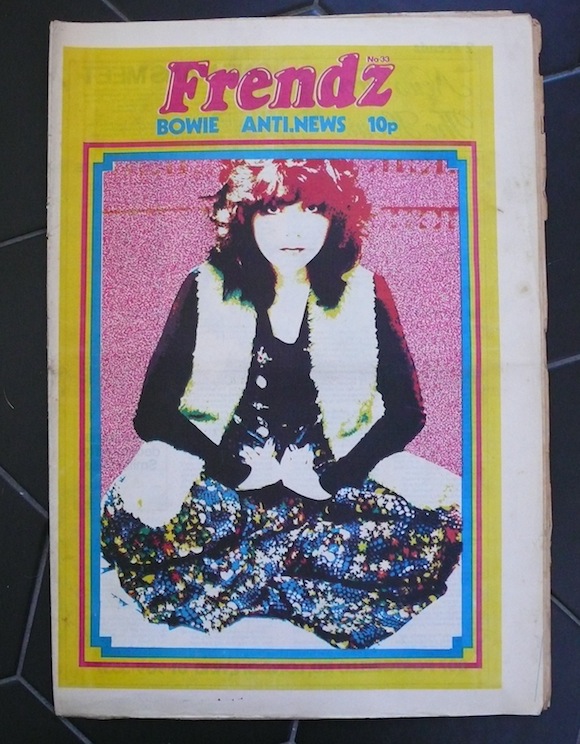
A few weeks later, to my astonishment, the newsagents in Hendon’s Church Road started stocking Frendz. I folded issue 33 between a couple of music papers and pored over it in my bedroom.
//Front cover of OZ 43, the issue which included the Wembley flyer//
//Front cover, Frendz 33, September 1972//
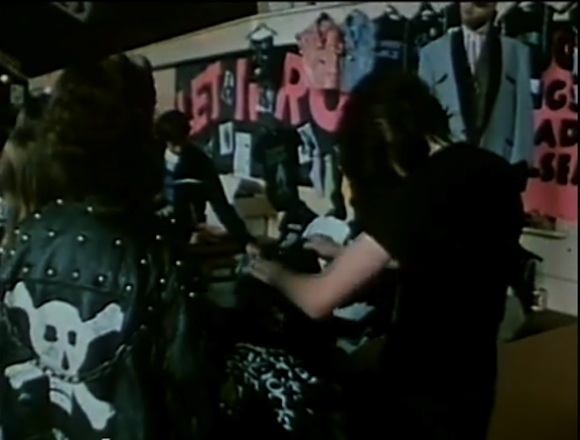
//Crowds around the Let It Rock stand. From the 1973 film London Rock N Roll Show directed by Peter Clifton//
Neither of the magazines are shining examples of the genre, but they had something in common: the centre spread of OZ 43 contained a subscription form back-printed with a flyer for the London Rock N Roll Show, a one-day festival of original 50s acts and those who could claim kinship held at Wembley Stadium on August 5 that year.
And for me the most beguiling article in Frendz 33 was a two-page stream-of-consciousness report of the event filed by one Douglas Gordon and illustrated with photographs by Pennie Smith, soon to leave for the NME and carve out her reputation as one of rock photography’s all-time greats.