
I’m delighted to announce that my map The Look Of London – which teases out the intertwining of popular music and street style in our capital over five decades – has been reissued by groovy guide makers Herb Lester Associates.
I’m delighted to announce that my map The Look Of London – which teases out the intertwining of popular music and street style in our capital over five decades – has been reissued by groovy guide makers Herb Lester Associates.
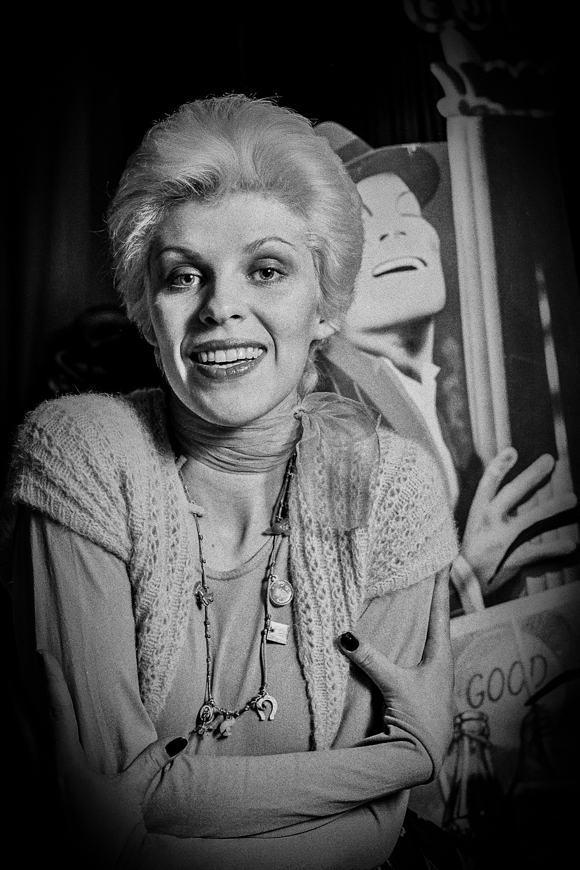
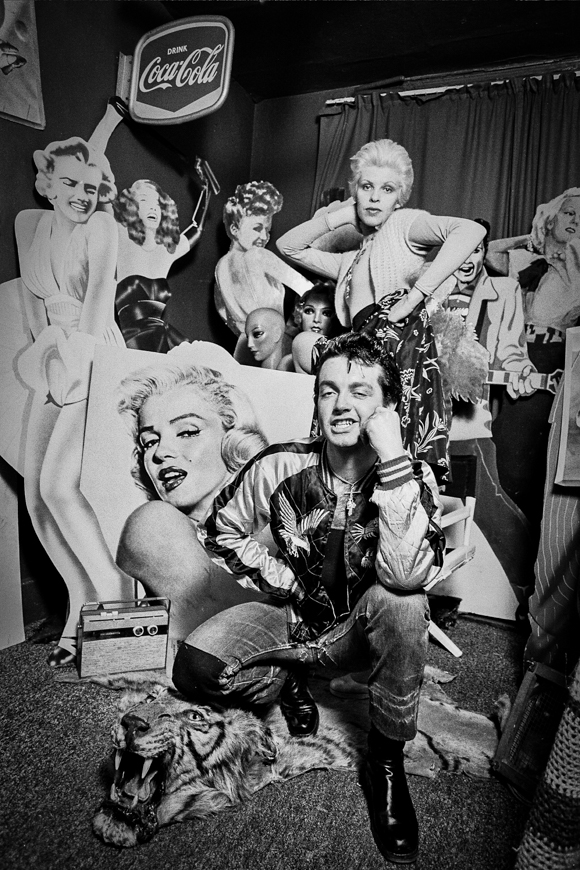
It is a great honour to feature this guest post by the artist and thinker Judy Nylon about her friend David “Piggy” Worth and their life and milieu in London at the turn of the 70s (brought up in Boston, Nylon had arrived in the UK capital at the start of the decade). The photographs, like those posted here at the weekend, were taken by Tony Hall as he set out on his career in photography, and have not been previously published…
THERE was a time when I smoked and owned skirts.
I lived at 14 Edith Grove, just south of Fulham Road, in a house owned by Donald and David Cammell just after they’d done Performance.
Piggy lived further down Edith Grove below the King’s Road, in a basement flat that was like stepping into his imagination. He had collections of clothes, props and small objects.
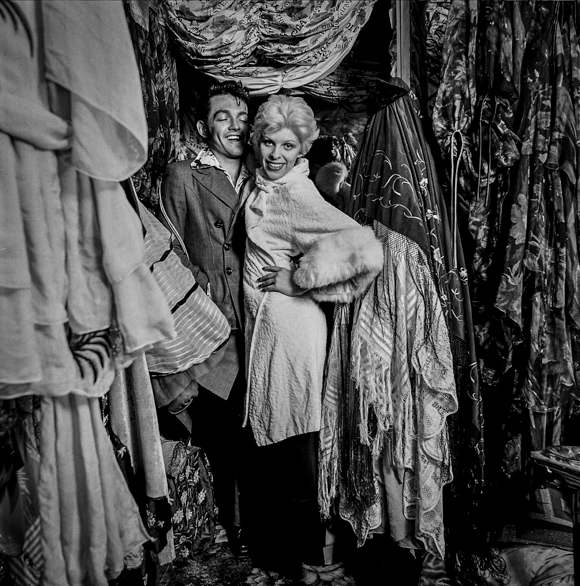


“Piggy was a special dreamer” Judy Nylon
“Piggy got me my first job with Helmut Newton” Yvonne Gold
“He was an amazing character, funny, exuberant, outgoing, such fun to be with. Everybody wanted to be his friend” Tony Hall
Before David Gandy, before Nick Kamen, there was David “Piggy” Worth.


Along For The Ride is the wild and suitably idisoyncratic documentary from LA-based artist Nick Ebeling about male friendship – in particular the relationship between Ebeling’s cinematic hero Dennis Hopper and his right-hand man, “El Hombre Invisible” Satya de la Manitou – and the often fraught nature of film-making.

With a score by Gemma Thompson of Savages and produced by Sheri Timmons, the core of Along For The Ride lies in stories of de la Manitou’s 40-year friendship with Hopper, as related to Ebeling over coffee in various LA diners.

Artist/illustrator Stephen Fowler’s Rubber Stamping is an engaging guide which stems from his rich body of work in primitive, D-I-Y printmaking.
Continue reading Stop look and listen: It’s called Rubber Stamping baby


Was the late Malcolm McLaren inspired by one of the greats of 20th century graphics in his creation of the astonishing signage for Sex, the fetishistic fashion boutique and incubator of punk rock he operated with Vivienne Westwood at 430 King’s Road in west London between October 1974 and November 1976?
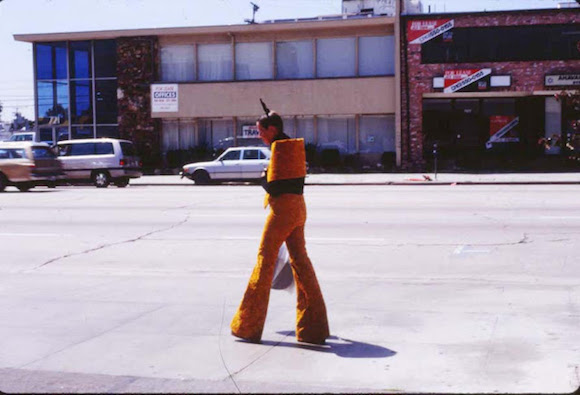
Sad to note the passing of Suzan Strauss, whose intriguing, otherworldly presence illuminated the streets around Melrose and La Brea in Los Angeles in the 80s and 90s.
Choosing to walk the otherwise empty pavements in her ever-changing extraordinary outfits, she was known as The Lava Lady since her residence on Detroit was clad in black lava rock (and apparently the interior was not lit by electricity, but candles). In my circle Strauss was known as That Lady, as in “I was parking in Ralph’s and saw That Lady” or “I nearly spoke to That Lady at Fairfax High flea market but didn’t want to disturb her”.


One of the most pleasurable experiences of this summer was the August morning I spent amid the cool beauty of London’s “private palace of art” Leighton House Museum in the company of the extremely talented British poet Scarlett Sabet.

“Shirley has a voice that seems to be in touch with the traditions of the past, but also the dark mystery that makes England so weird, wild and mesmerising, and it is these two aspects that I wanted to convey in the video.”
Nick Abrahams, 2016
I’m captivated by the magical film made by Nick Abrahams to accompany the Shirley Collins song Death And The Lady.


This is the book which inspired the late Malcolm McLaren to unite the design ideas he developed with Vivienne Westwood for their Autumn/Winter 1983 fashion collection Witches.
At the time McLaren was completing his album Duck Rock, which was conceived as an ethnological travelogue and modelled on the LP series Dances Of the World’s Peoples released on the ethnographic Folkways label; in fact, Duck Rock was originally titled Folk Dances Of The World and the incorporation of an illustrated insert containing track-by-track explanations was taken from the one which appeared in the 1958 albums.
