//Ellen Willis, c. 1970. Photograph: Ellen Willis’s family//
One of the narrative threads of my book Totally Wired: The Rise & Fall of the Music Press – which is published in paperback next week – traces the ways in which women writers have been forced to fight long and hard against white male dominance of the field.
//Gloria Stavers photographs Jim Morrison 1967. Photographer: Unknown//
This process was kicked off in the 1950s by Gloria Stavers, who transformed the US teen scene as editor and photographer at the huge-selling 16 magazine and went on to champion the likes of the Beatles and others in the 60s on her own terms: while she recognised the charisma of The Doors’ Jim Morrison, she was also his equal and lover.
//Lillian Roxon, mid-1960s. Photo by unknown, Fairfax Archives//
I’m really jazzed about getting my hands on the first finished copy of Totally Wired, my history of the music press which is published by Thames & Hudson this autumn.
Designer Daniel Streat has done wonders with the day-the-world-turned-dayglo jacket concept and my choice of cover star Poly Styrene.
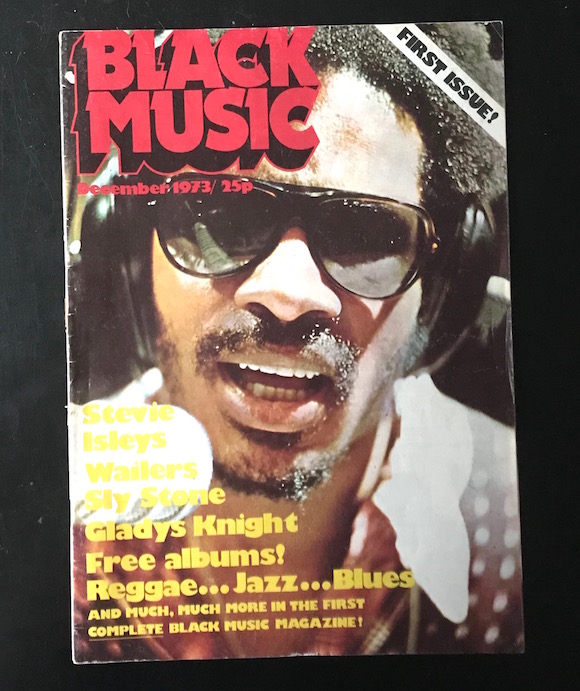
There are 60 or so illustrations, all magazines from my archive. The diversity reflects the content of the book, which covers the usual suspects – NME, Melody Maker, Rolling Stone – but will hopefully turn readers onto the unexpected and surprising, from Black Music and Collusion to WET, Ben Is Dead and Girlfrenzy.
Totally Wired is published in the UK and elsewhere on September 22 and in North America on November 29. It is available to order now from all good booksellers as well as my Bookshop page at uk.bookshop.org/shop/paulgorman or by clicking on this panel:
//Subscribe exhibition ident////Artist and filmmaker Steve McQueen (right) featured in The Uniform Backlash, The i-D Bible Part 2, 1989. Photography Daniel Kohlbacher, styling Simon Foxton. Paul Gorman Archive//
Beginning in the early 1970s—as under-represented groups were demanding new forms of visibility following the emergence of political movements such as Black Power and the Stonewall Rebellion—a handful of British and American photo-driven alternative magazines came on the scene.
The Face, i-D, Rags, Out/Look, and other new publications amplified marginalized voices, especially those of queer makers and makers of colour, and made room for those makers to question who and what was accepted as mainstream. These publications introduced a hybrid model within the magazine industry: combining the high production standards and engagement with fashion of “powerhouse” publications such as Vogue and Life with the use of collage in zines and the text/image provocations of underground newspapers. In the end, these alternative magazines transformed their industry.
From the introduction to Subscribe.
Two years ago, just as the enormity of the pandemic was emerging, I met American curators Solveig Nelson and Michal Raz-Russo in London to discuss making a contribution to an exhibition at the Art Institute of Chicago about the significance of alternative magazines to Western culture.
Working on my forthcoming book The Rise & Fall Of The Music Press has brought home to me the brilliance of publications and journalists who have been marginalised in the story of the media sector inaugurated by the launch of The Melody Maker (as it was then known) in 1926.
//The first vitrine contains original copies of Blast 2 (1915), Crash! 1 (1997) and gal-dem 2 (2017). Photo: @hellenelleliang////Enjoying browsing the magazines on the PRINT! newsstand. Photo: @jasonthien////Contributor Alpa Depani talking about her zine Romp with members of the New Architecture Writers group. Photo: @paul_g0rm4n//
Two short films representing the voices of independence in the Somerset House show PRINT! Tearing Up are available online and for visitors to the exhibition.
Great to see heroine Caroline Coon among the subjects/contributors to the second issue of Radical People, Reba Maybury’s celebration of quinquagenarian-plus non-conformists.