Worlds End: Norah Waugh, the 31 bus, Daniel Defoe, Black-Beard The Pyrate, Thomas Tew and the origins of the Saracen sword logo

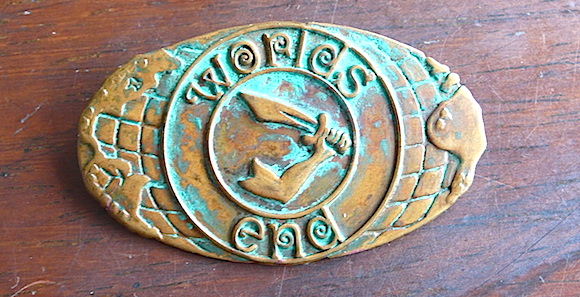
WEbrooch copy
//Worlds End brooch, 1981//

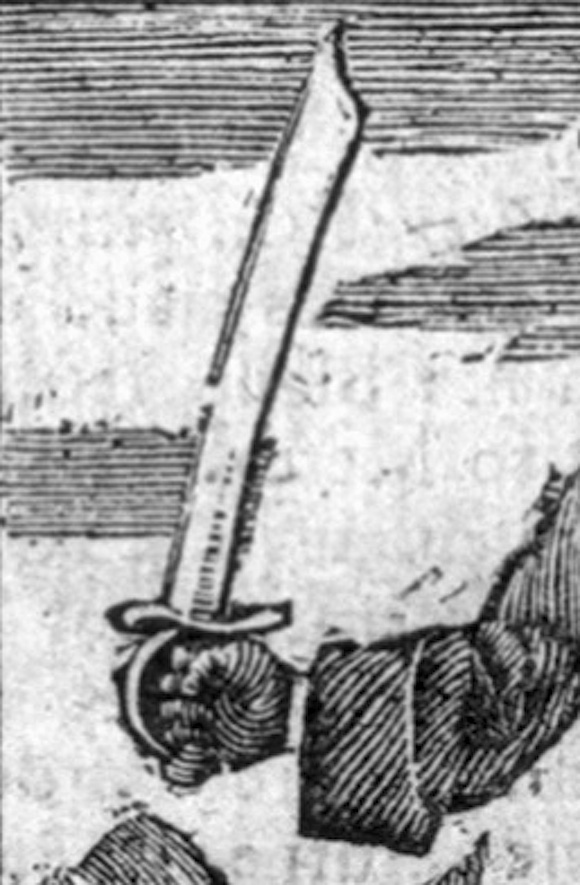
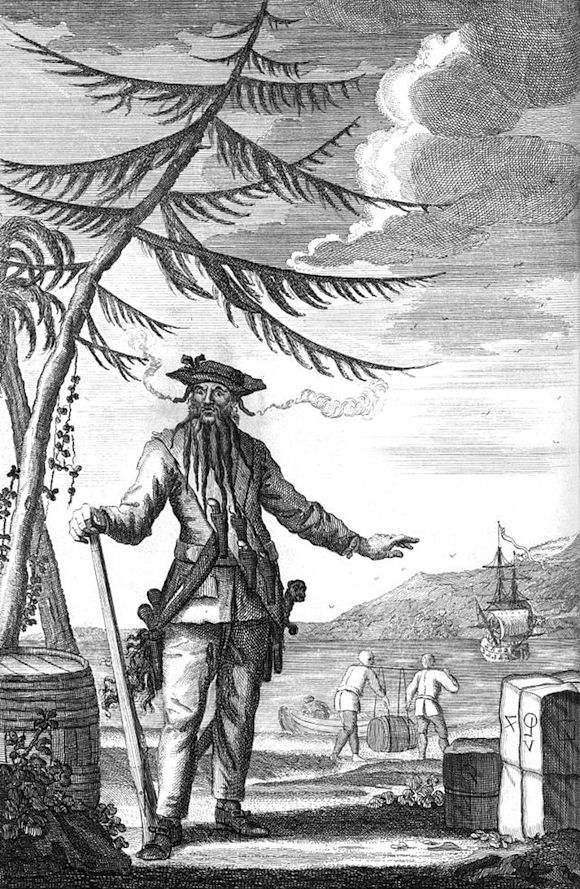
The skull and crossbones was too much of a cliche. In a book from Foyle’s in Charing Cross Road I found the drawing of the pirate Blackbeard, Captain Teach, with his arm holding a Saracen sword. Malcolm McLaren, 2008.

Over the spring and summer of 1980, the late Malcolm McLaren worked with Vivienne Westwood on the themes and theories underpinning the concepts for a new retail environment and fresh fashion direction from their base at 430 King’s Road in west London’s World’s End.

Disillusioned with the pedestrian punks who had started to frequent Seditionaries in the wake of the Sex Pistols split in 1978, the outlet was routinely shuttered. “Apart from a few t-shirts, we didn’t come up with any new designs in four years,” Westwood later said.

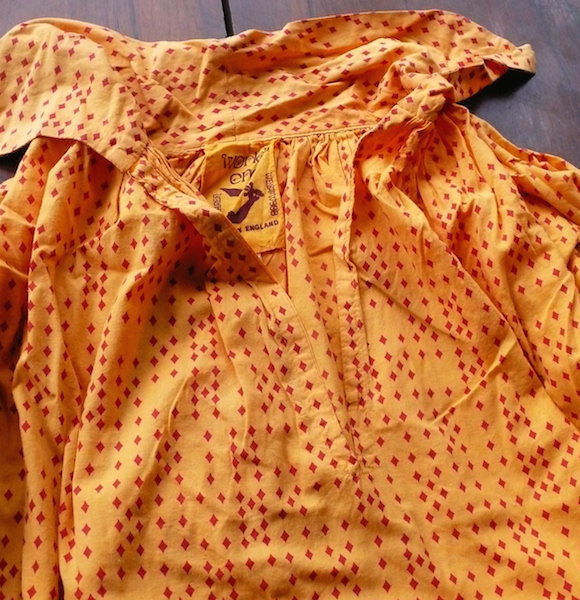
The pair’s investigations in 1979 and 1980 crystallised around Westwood’s production of a billowing garment based on an 18th century shirt pattern from the historian Norah Waugh’s 1964 study The Cut Of Men’s Clothes 1600-1900.

P1150784
//1981 Pirate dress worn in performance by Anabella Lwin of Bow Wow Wow//
P1150786
//Pirate dress collar and neckline detail//

McLaren had already introduced notions of music industry-provoking audio piracy into his work with the newly-formed Bow Wow Wow – who released their cassette-only debut single that summer – and pounced upon the shirt’s promisingly unstructured silhouette.

“I could see it being worn as a dress by the young paramour of a pirate captain, romping around his quarters with his belt, one of his waistcoats and a pair of his sagging buckled boots,” McLaren said in the mid-00s. “I rejected the rest of Vivienne’s ideas but kept the shirt, to which I added the vision of pirates to give a certain look, style and pop panache. We then built the Pirate collection around it.”

The choice of the garment is noteworthy. According to Waugh (who had lectured at London’s Central School Of Art and run the costume department at the dramaturg Michel Saint-Denis’ London Theatre Studio in the 30s), men’s tailoring did not start in Britain until the end of the 18th century; prior to that “men’s clothes had a distinctly dressmaker quality”.

By rejecting two centuries of fashion progress – just as they had rejected the pop culture developments of the 60s with the establishment of Let It Rock in 1971 – and fusing the results with the utterly contemporary, McLaren and Westwood once again moved into unexpected territory with clothing which struck a chord outside of fashion and music.
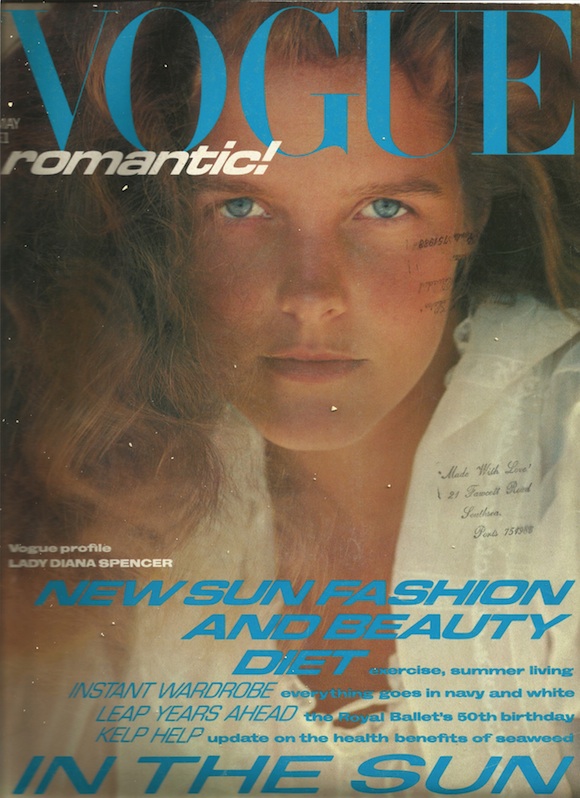
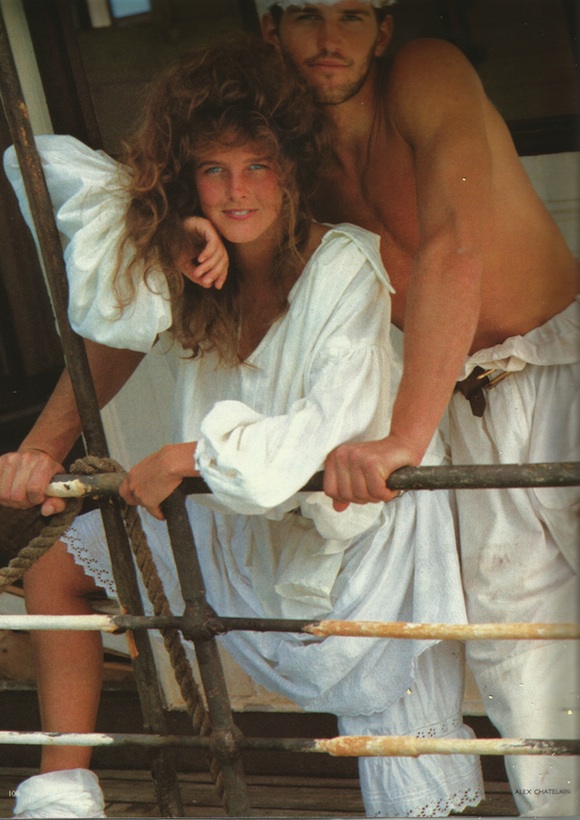
pirate-vogue1 1
//The Pirate shirt makes the cover of UK Vogue, May 1981, the first issue to celebrate the new spirit of romanticism exemplified by the public fascination for royal bride-to-be Lady Diana Spencer. Photo: Alex Chatelain//
pirate-vogue1
//Worlds End self-striped Pirate dress matched with petty-drawers and stockings on the female model in this shot from the spread Escape To The Sun, UK Vogue, May 1981. Photo: Alex Chatelain//

McLaren’s choice of name for the new iteration at 430 King’s Road came from the final destination on the front of the 31 bus; the last stop on the route was Limerston Street, just a few yards west of McLaren and Westwood’s shop.

“The thought of the world ending, the apocalyptic, suggested to me the potential for cultural change,” said McLaren in 2008. “I thought Worlds End (note absence of apostrophe) could do that by having a clock that went backwards around not twelve, but thirteen hours –  something impossible to conceive. Something unreal. Something magical.
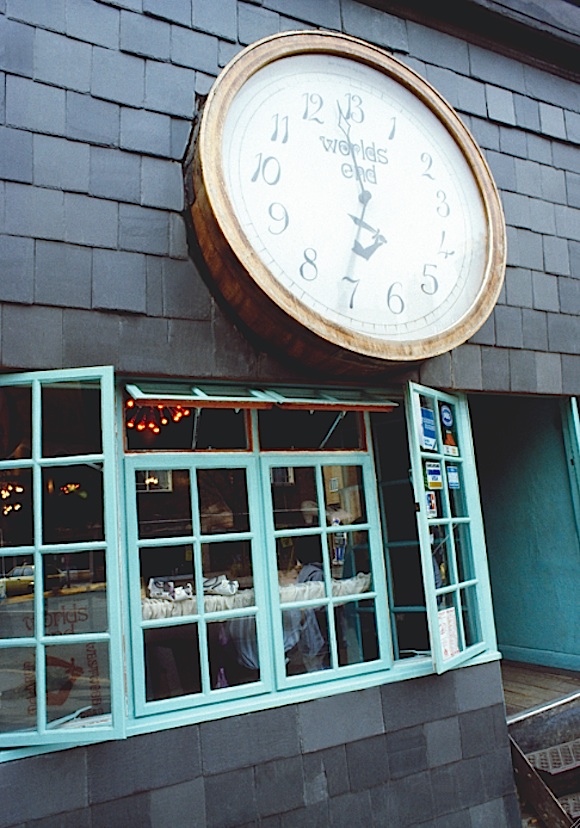
1. BLOW UP WorldsEnd exteriorSheilaRock
//Exterior, 430 King’s Road, January 1981. Photo (c) Sheila Rock//

“Worlds End was meant to represent a pirate galleon setting sail out of this muddy hole called England, a place I had learned to loathe by then due to the conditions I had to meet because of the English courts and the music industry generally.

“Vivienne wanted to destroy and not have anything further to do with Punk.  She hated it.  So, this store became a way of sailing away from the Kings Road. I wanted the store to ‘float’ as on waves.  The little windows in the front were to create that part of the galleon where the captain would often have his chambers.”   
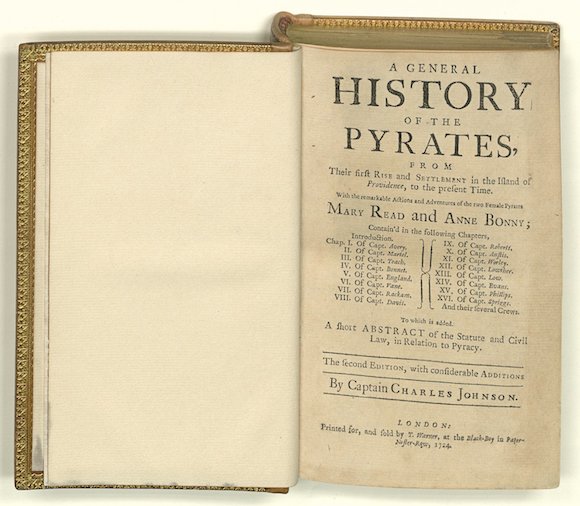
resolver
//The 1724 book is attributed to one of McLaren’s heroes, the original Seditionary Daniel Defoe//
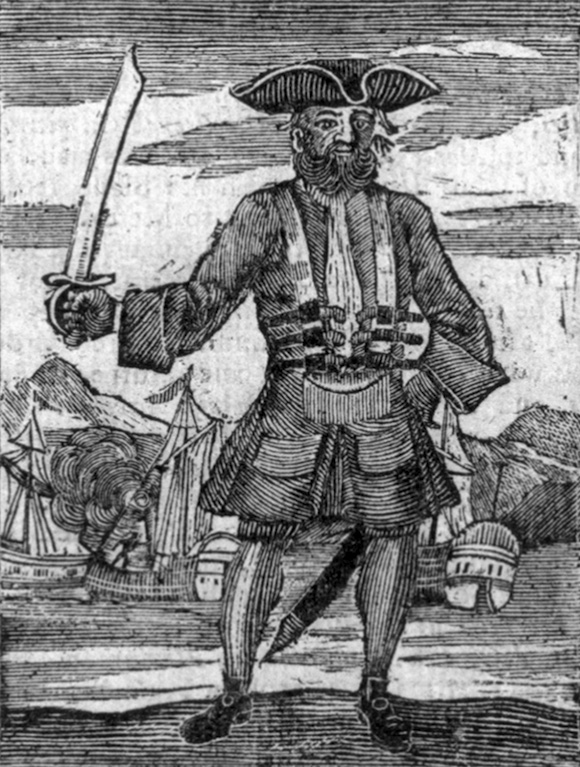
blackbeard
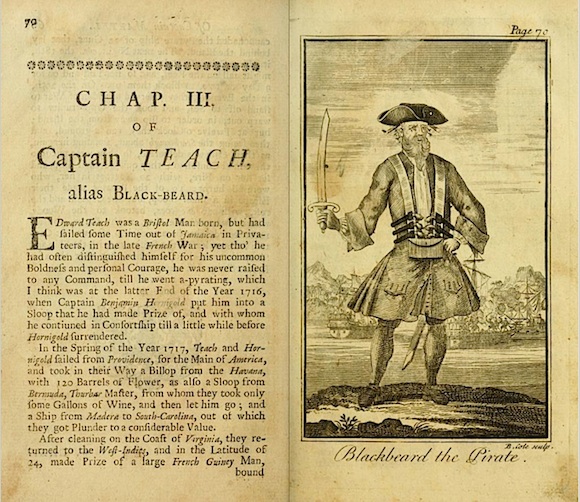
//From A General History Of Pyrates. Illustrations: Benjamin Cole//

When developing a logotype and label ident for the new collection, McLaren resorted as ever to research. At Foyle’s bookshop he came across a copy of A General History Of Pyrates, the highly entertaining 1724 volume by Captain Charles Johnson which is attributed to Daniel Defoe. The author of Robinson Crusoe, one of McLaren’s favourite books, Defoe had lived not far from where McLaren was born in Stoke Newington.

Famously Defoe was pilloried in 1703 for seditious libel over his satirical pamphlet The Shortest Way With Dissenters; it was this archaic charge which inspired the name McLaren gave to 430 King’s Road in 1976.

One of the chapters of the Johnson book is dedicated to the exploits of Edward Teach, the notorious Black-Beard The Pyrate whose appearance excited McLaren’s interest: “The beard was black, which he suffered to grow of an extravagant length…and was accustomed to twist it with ribbons, in small tails. In time of action he stuck lighted matches under his hat which burned slowly at the rate of about 12 inches an hour.

“Appearing on each side of his face, his eyes looking naturally fierce and wild, made him altogether such a figure that imagination cannot form an idea of a Fury from Hell to look more frightful. In the commonwealth of Pirates he who goes the greatest length of wickedness is looked upon with a kind of envy amongst them.”
General_History_of_the_Pyrates_-_Blackbeard_the_Pirate_(1725)
//Another illustration of Teach clutching his Saracen sword//
General_History_of_the_Pyrates_-_Blackbeard_the_Pirate_(1725) copy
//Detail of arm with Saracen sword//
1920px-General_History_of_the_Pyrates_-_Ann_Bonny_and_Mary_Read
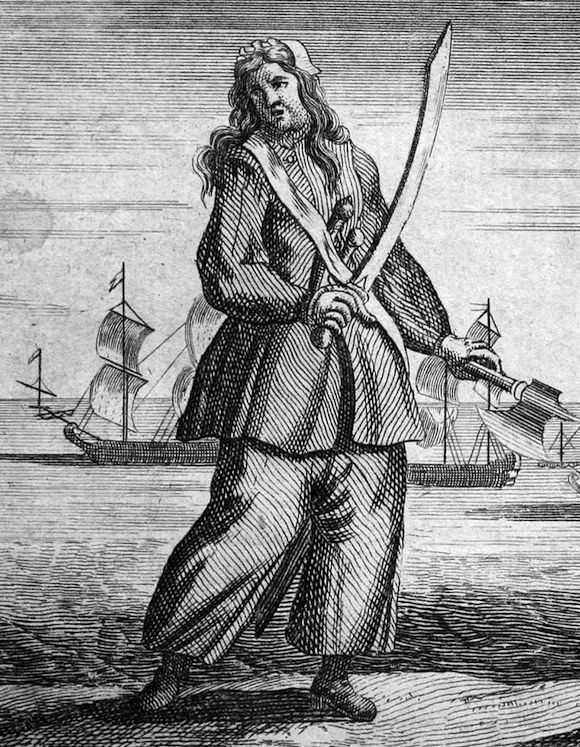
//Anne Bonny also sported the same weapon//

In the illustrations by Benjamin Cole, the fearsome figure is shown with one muscular arm holding a Saracen sword, a weapon also favoured for its deadly properties by the likes of the infamous Anne Bonny.

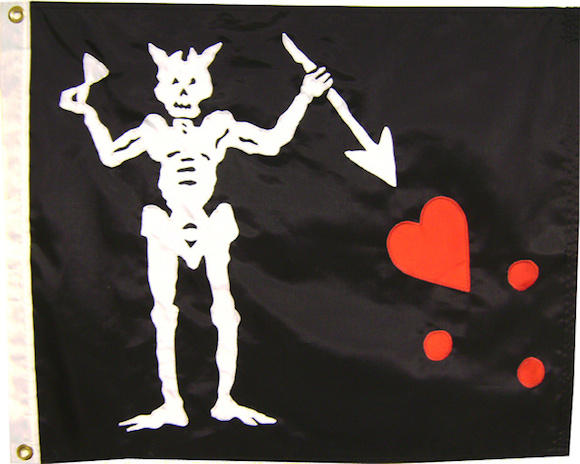
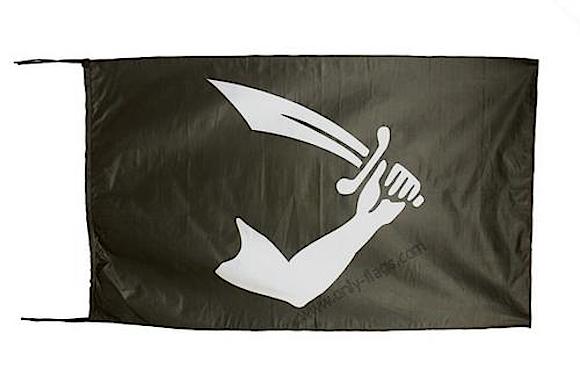
As McLaren/Westwood afficianado Stuart Swift has pointed out, the logo was taken directly from the flag of another subject of A General History Of Pyrates: the privateer-turned-pirate Thomas Tew, who traded in gold, silver, jewels and slaves and is alleged to have founded the Madagascan pirate colony Libertalia (where he appointed himself Admiral). While Blackbeard’s story fascinated McLaren, the pirate’s standard – the skeleton of the devil  raising a toast as he pierces a heart – lacked the impact of Tew’s.
640px-Edward_Teach_Commonly_Call'd_Black_Beard_(bw)
//Engraving of Blackbeard showing from A General History Of Pyrates//
blackbeard-pirate-flag
//Blackbeard’s standard, from tattoodonkey.com//
thomastewpirate
//Thomas Tew flag from only-flags.com//

This symbol of romantic rebellion was then applied to labels, brooches and even the clock spinning backwards outside 430 King’s Road when Worlds End opened at the end of 1980.

Johnson’s book also produced a name for the first Worlds End collection; a vessel commanded by these desperate men and women is designated “the Pirate”, as in: “I followed their advice and went on board the Pirate…” This is why the clothing produced by McLaren and Westwood in the first part of 1981 is grouped under the singular.

Watch the BBC’s 1985 documentary To The World’s End – about the great lost 31 bus route – here.

Malcolm McLaren exhibition: Let It Rock x Let’s Rock x Little Richard = Vive Le Rock!

011 copy
//Malcolm McLaren in front of display of Belgian 50s rock n roll movie posters inside Let It Rock, 430 King’s Road,  January 1972. Note Vive le Rock! poster top left. Photo: David Parkinson//
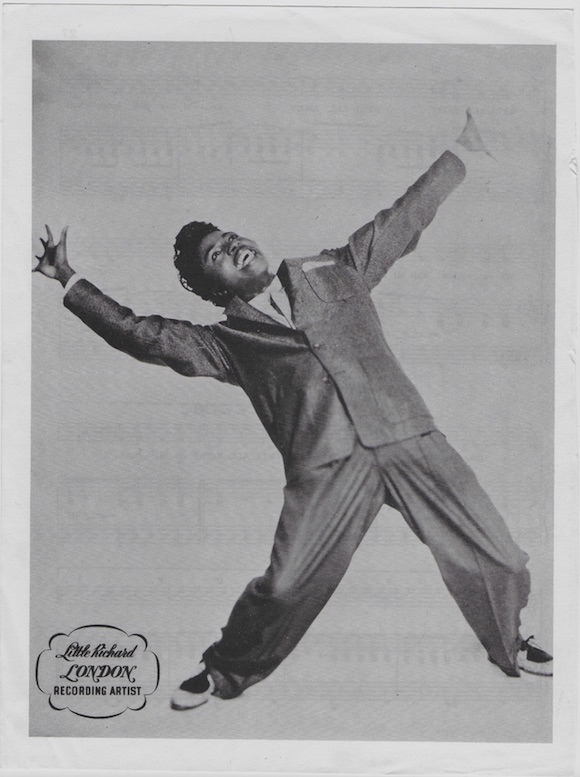
//Taken by John E. Reed in 1956 to promote teen-movie Don’t Knock The Rock, the photo was reissued by London Records to mark the release of the four-track EP Little Richard And His Band//
P1150732
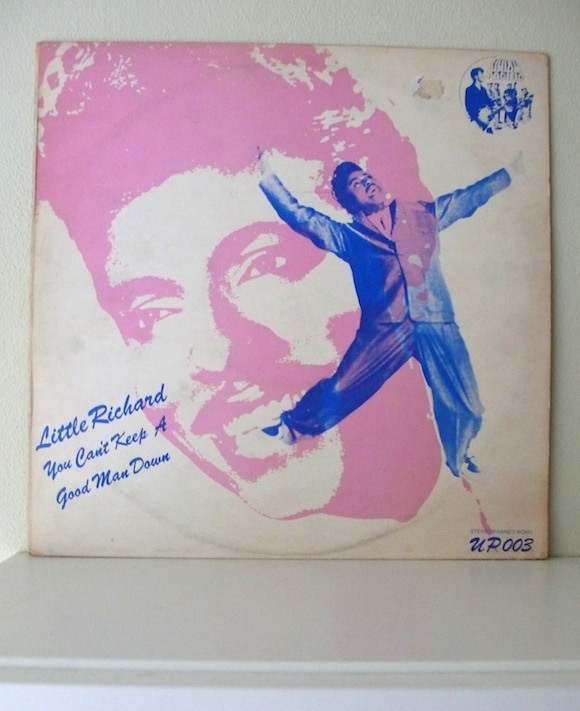
//Front cover, You Can’t Keep A Good Man Down, Little Richard, Union Pacific, 1972. Designer: Unknown//
P1150734
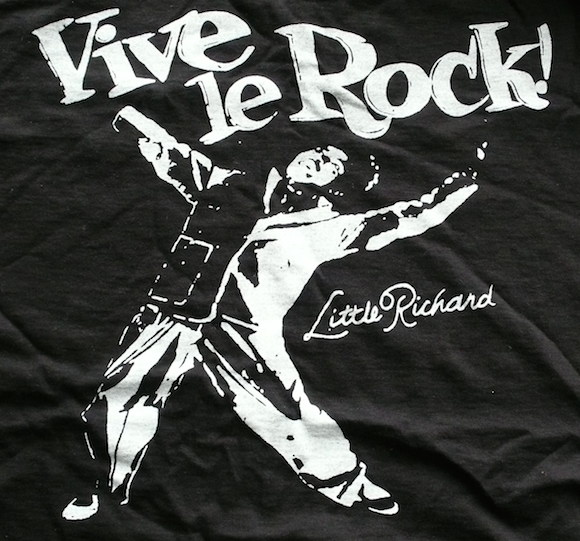
//As shown on this repro, McLaren’s design for the Little Richard shirt sold at the London Rock N Roll Festival held at Wembley Stadium in August 1972//

Yet another example of Malcolm McLaren’s astounding design talent is examined across a number of exhibits at the Let It Rock show, which opens at Copenhagen’s Bella Center on Sunday (August 3).

In 1972 McLaren expanded his investigations into 50s pop design culture by producing a series of t-shirt designs celebrating the great American rock & roll stars performing on the bill of the one-day festival at London’s Wembley Stadium that August.

McLaren continued to followed the path dictated by his formidable art education by creating new artworks out of the juxtaposition of found objects. A 1956 promotional photograph of Little Richard provided the main image for the shirt dedicated to The Georgia Peach.

In 1972 it also appeared on the cover of the UK compilation You Can’t Keep A Good Man Down; that year also witnessed a revival of interest in the pompadoured Richard Penniman after Let It Rock customer Charles (now Lord) Saatchi featured a Little Richard song in a 50s-styled TV advert for Libro jeans.

VLRatLIR
//The title lettering on the poster was isolated//
P1150733
//Reed’s image was flipped vertically//

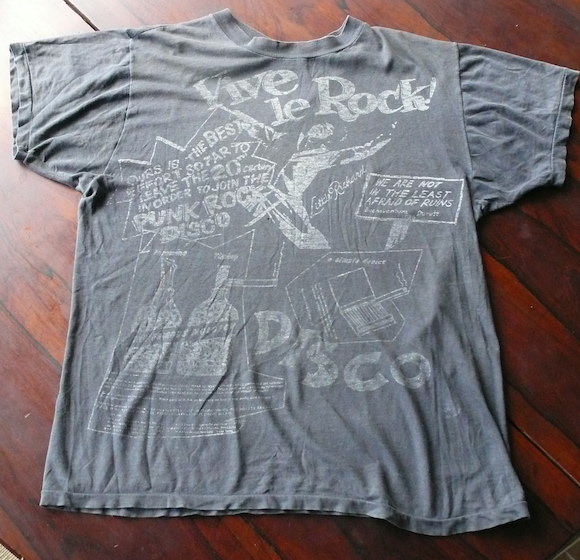
McLaren flipped the image, reversed it out and positioned the exuberant figure with the joyous title lettering from a  rock & roll movie poster he stocked in Let It Rock. Vive Le Rock! was, in fact, the French title of the 1958 US production Let’s Rock, so tied indirectly with the name McLaren had chosen for his own venture. In Britain the film was marketed under the tamer Keep It Cool.

Let's_Rock_FilmPoster
//Poster for the American release of the movie, 1958//
Seditionaries-ViveLeRocktshirtfront
//McLaren later incorporated the Vive Le Rock! elements into a fresh composite for sale in 430 King’s Road when it was Seditionaries in 1979. This also featured Situationist slogans, a quote from the early 20th century Spanish anarcho-syndicalist Buenaventura Durruti and “recipes” from William Powell’s The Anarchist’s Cookbook, first published in 1971//

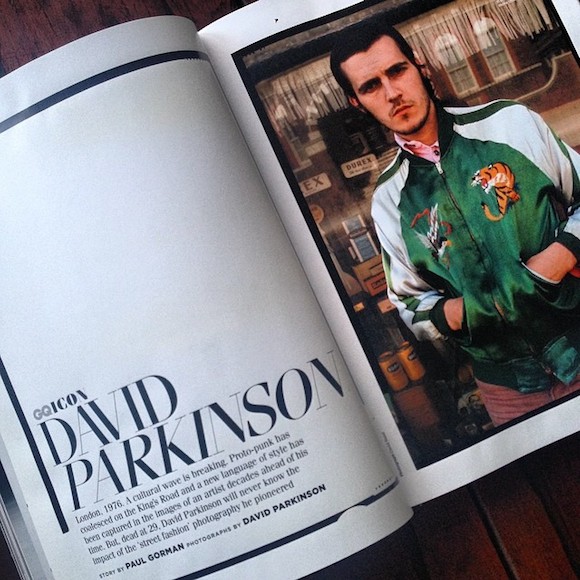
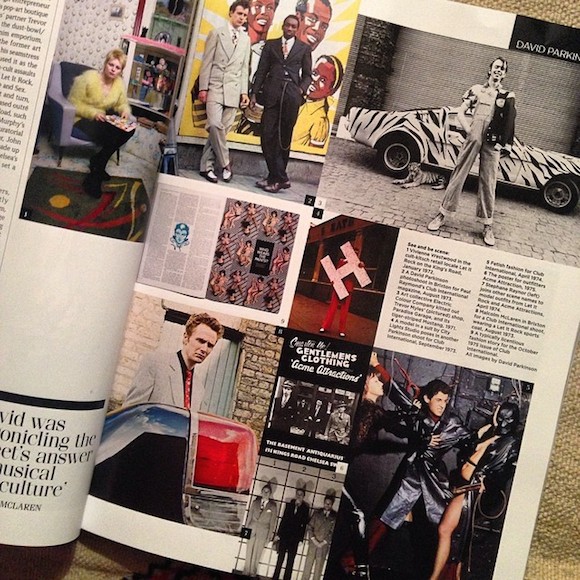
The Copenhagen show features a Let It Rock installation complete with a series of large prints of previously unseen photographs taken by David Parkinson inside 430 King’s Road in January 1972. Included is a full version of the image at the top of this post, as well as a Vive le Rock! shirt and the Little Richard LP cover.

Let It Rock: The Look Of Music The Sound Of Fashion is at the Crystal Hall in Copenhagen’s Bella Center from August 3-6.

Read more here.

*This post was revised and updated to reflect fresh information on the source of the image on March 11, 2017*

Malcolm McLaren exhibition: Nostalgia Of Mud + Witches + Folkways ethnological recordings from the 1950s

P1150743
//Front cover, Dances Of The World’s Peoples, Vol 3, Folkways Records, 1958. Design: W. Johnson, printed on paper glued to cardboard sleeve.//
Ciff-folkwayscatalogue
//Front of four-page song and information sheet utilising W.Johnson’s design, paper, 1958//
MMArchive-NostalgiaOfMudshowcardfront copy
//Invitation card to Paris show of McLaren and Westwood’s Nostalgia Of Mud collection, March 1982. Design: Nick Egan. Courtesy Malcolm McLaren Estate//

The idea is to show in clothes and music that, in the post-industrial age, the roots of our culture lie in primitive societies.
Malcolm McLaren on Nostalgia Of Mud and Duck Rock, 1983

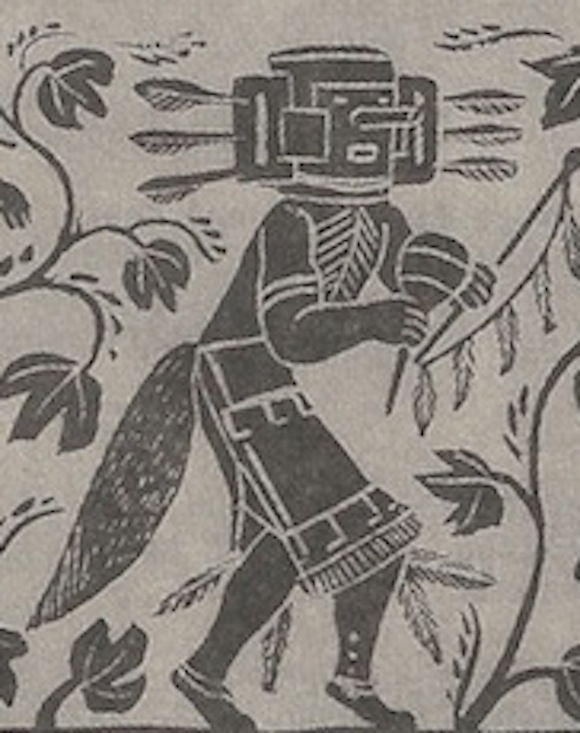
Thanks to Hiroshi Fujiwara for tipping the wink over one of the sources of visual inspiration fed by Malcolm McLaren into the concepts unified by his solo album Duck Rock, the central London clothing store Nostalgia Of Mud and the fashion collections he designed with Vivienne Westwood in 1982-3.

Ciff-folkwayscatalogue copy
//Witchdoctor figure from W. Johnson’s design//
Witches-Folkwaystop
//Figure recast by McLaren and Westwood with Keith Haring adornments on cotton top from Witches collection, 1983. From private collection//

One of the cues for Duck Rock’s investigations into music from all over the world was the series of recordings by enthnological music archivists Ronnie and Stu Lipner released on Folkways Records in the late 50s under the banner Dances Of The World’s Peoples. And McLaren’s appropriation of the naive cover art by W. Johnson – in particular the striking witchdoctor figure – found new form in design collaborations with Westwood, graphics supremo Nick Egan and artist Keith Haring.

MMArchive-NostalgiaOfMudpatternshowcard83
//Nostalgia Of Mud pattern show card, 1982. Courtesy Malcolm McLaren Estate//

McLaren’s brilliance at fusing disparate elements into culture-defining and dazzling artworks is being celebrated next week with the exhibition Let It Rock: The Look Of Music The Sound Of Fashion at the Crystal Hall in Copenhagen’s Bella Center.

The show – which runs from August 3-6 during Copenhagen Fashion Week – will incorporate hundreds of exhibits, many rare and never previously shown to the public, including clothing and objects featured here such as the Witches top, the show cards and original copies of the Dances Of The World’s Peoples LP and catalogue.

Read more here.

Unbelievable rarity: Undocumented Let It Rock clothing featured on 1972 budget LP + previously unpublished views of stock inside 430 King’s Road

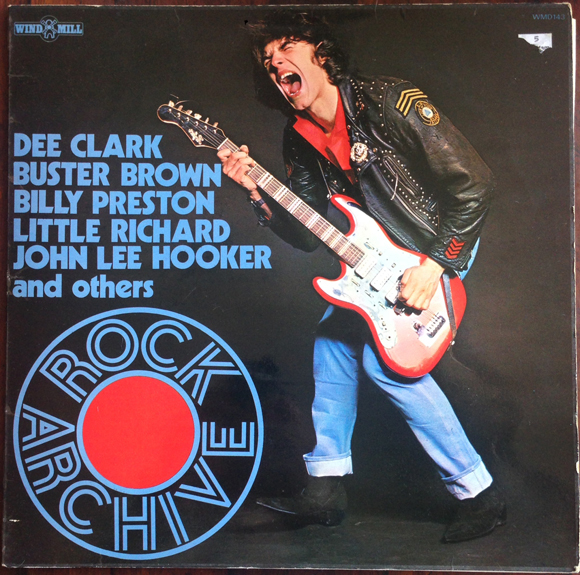
lir-rockarchive580
//Front cover, Rock Archive, Various Artists, Windmill Records, 1972//

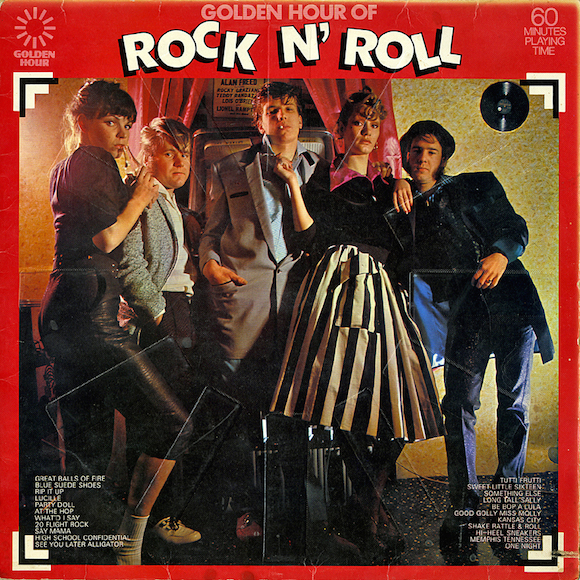
It is relatively common knowledge among those interested in the careers of Malcolm McLaren and Vivienne Westwood and their series of extraordinary shops that they supplied clothes to the 1973 album Golden Hour Of Rock & Roll; Let It Rock at 430 King’s Road was clearly credited on the back of the record sleeve.

Let It Rock-Golden Hour Of Rock & Roll
//Front cover, The Golden Hour Of Rock N Roll, Various Artists, Pye/Golden Hour, 1973//
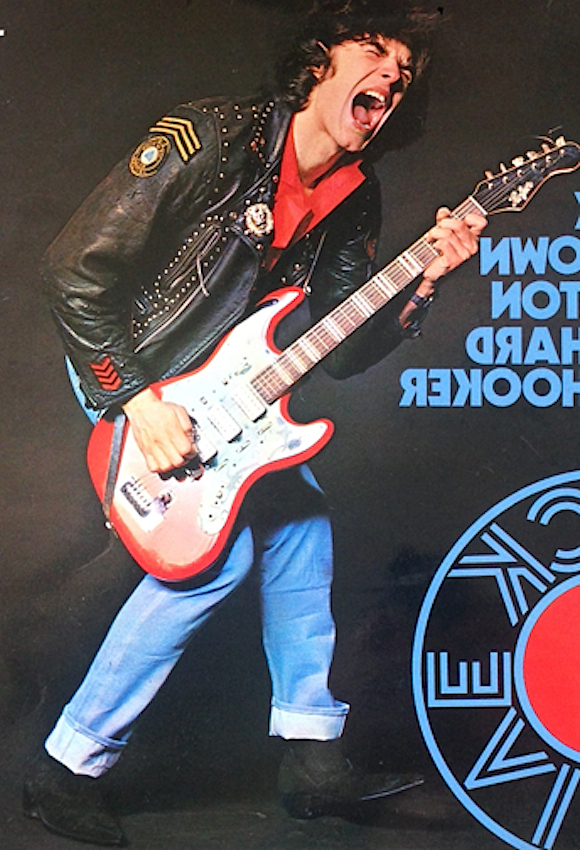
lir-rockarchiveflipped
//The photograph on the Rock Archive cover was flipped to better accommodate the text. Here it is as originally shot//

But I have fresh information which helps towards a greater understanding of McLaren’s project to investigate the detritus of popular culture’s recent past. During a bout of research recently I came across this earlier and hitherto undocumented use of Let It Rock clothing in a music context: the front cover of Rock Archive, a budget LP compilation released by the specialist British independent label Windmill in 1972.

And I am detailing the clothes on the cover with images taken inside Let It Rock which have never been previously published.

lir-redshirts
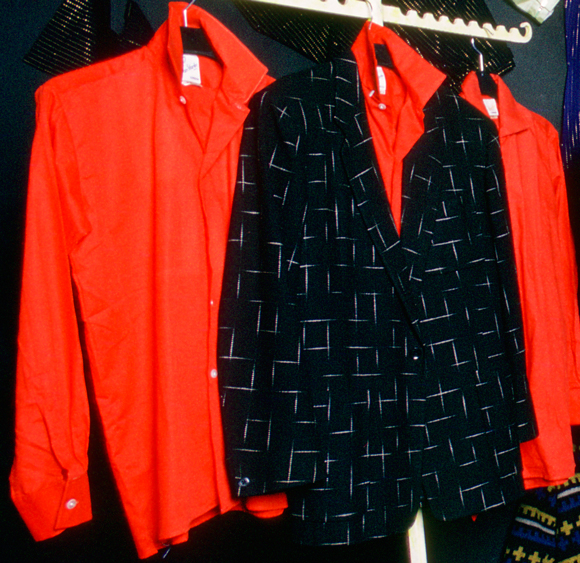
//Starke shirts with 50s sports jacket on Let It Rock wall, January 1972. Photograph: David Parkinson//
lir-starke
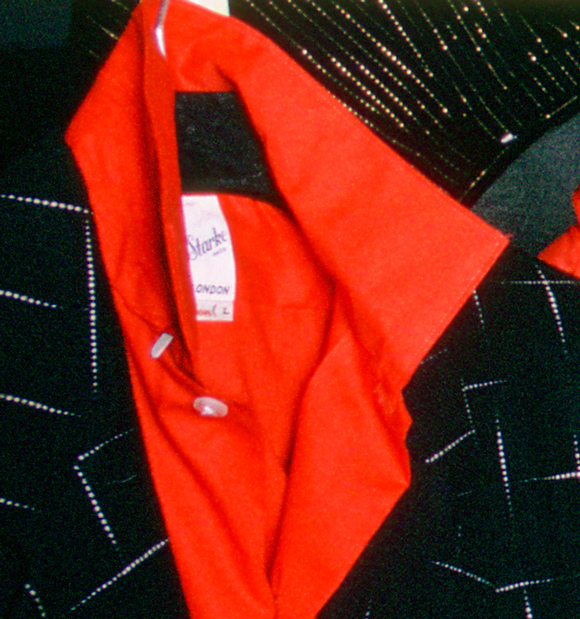
//Starke label detail//

Each garment worn by the model – whose attempts at rocking out resulted in his giving every appearance of suffering considerable pain – comes from the deadstock of British brands assiduously assembled by Malcolm McLaren and his art-school friend Patrick Casey for the opening of the world’s first avowedly post-modern retail outlet in November 1971.

From the ground up, the Rock Archive cover star wore black suede Denson’s Fine Poynts, ice-blue Lybro jeans with 5in cuffs, a Frederick Starke flyaway collar shirt and a studded and decorated Lewis Leathers early 60s Lightning jacket (which featured a highly collectable 6-5 Special patch).

Continue reading Unbelievable rarity: Undocumented Let It Rock clothing featured on 1972 budget LP + previously unpublished views of stock inside 430 King’s Road

Only Anarchists Are Pretty: New Fragment x Peel + Lift Anarchy Shirt goes on sale as The Pool opens in Aoyoama

image-1

Among the lines launching Tokyo’s new fashion and music retail outlet The Pool is a collaboration between Japanese streetwear labels Fragment and Peel + Lift on a fresh version of the 1976 Anarchy Shirt design by Malcolm McLaren and Vivienne Westwood.

thepool

AnarchyShirt-HiroshiFujiwara2014ThePool

ec7fd5eab8f311e3a8701285f9dba909_8

The reissue, in four versions, is a stripped down reproduction of one of the original variants created by McLaren and Westwood to be worn by the Sex Pistols and for sale in their shop at 430 King’s Road in its incarnations as Sex and Seditionaries.

“I had been a student in the 60s, and the anarchic student movements in France really framed my critique,” McLaren told me in 2007.  “This particular shirt celebrated that.”

The original designs used as a base the deadstock Wemblex brand shirts stored in boxes at McLaren & Westwood’s flat in Clapham, south London in the mid-70s. “They were pin-striped and made in cheap cotton in the early 60s when the ‘pin-through’ collar style – an American look – was fashionable,” said McLaren.

“I wore and wore them and then, one day, Vivienne decided to paint stripes over one. She showed it to me and together we customised it, using my son’s stencil set, with slogans such as “Only Anarchists Are Pretty” and “Dangerously Close To Love”.

“As well as layering the stencils to increase the impact, I attached silk patches of Karl Marx I discovered in shops in Chinatown which sold Maoist literature.  I chose him because his book started the Socialist and workers’ movements in the 19th century. Also, Vivienne and I liked his beard.

“Marx was a writer/author, a creator of ideas, not a politician like Lenin. Marx represented a greater significance and was important to us because he lived in London at one point.”

Continue reading Only Anarchists Are Pretty: New Fragment x Peel + Lift Anarchy Shirt goes on sale as The Pool opens in Aoyoama

The Teds are back: McLaren + Westwood’s Let It Rock in the NME and the Evening Standard August 1972

LIR-NME+ESAug72
//TOP: From the NME’s coverage of the Wembley Rock N Roll Show – staff model Let It Rock clothing outside 430 King’s Road. Photo: Robert Ellis./ABOVE: From the Evening Standard special issue – Teds and (left) LIR assistant Addie Isman outside Let It Rock.//

As a follow-up to my recent post about the Rock N Roll revival show held at London’s Wembley Stadium in August 1972, here is another selection from the media surrounding the event.

The New Musical Express dedicated a section to reviewing the show, decking staffers Danny Holloway, James Johnston and the late Tony Tyler in appropriate clothing from Let It Rock. The journalists were photographed outside Malcolm McLaren and Vivienne Westwood’s outlet at 430 King’s Road by Robert Ellis.

Wembley-EveningStandardSpecial72TakeshiHosoyacover copy
//Bo Diddley on the cover of the ES special//
Wembley-EveningSTandardSpecial72TakeshiHosoyaspread copy
//Angus McGill and Geoffrey Aqulina Ross were among the journalists who contributed to the ES special. I love the juxtaposition with the knife and fork/skull and crossbones logo promoting a Sunday Times feature by the architectural writer Ian Nairn, whose work has recently undergone critical appraisal//

The capital’s daily paper the Evening Standard’s special issue – billed as the official programme – also included images taken outside Let It Rock, including assistant Addie Isman in one of the store’s then-new studded t-shirts (this one emblazoned with the phrase Rock N Roll Ruby) and customer and prominent London Ted Bill Hegarty in full regalia.

The images of the Evening Standard special issue are from the copy owned by collector Takeshi Hosoya, whose Japanese clothing label Peel + Lift can be viewed here.

Many thanks to Robert Ellis for permission to use his shot in the scan from the NME. Visit Robert Ellis’s Repfoto site here.

The London Rock n Roll Show at Wembley Stadium 1972: Memories of Oz, Frendz and the Let It Rock stall

wembleyrnr-flyer
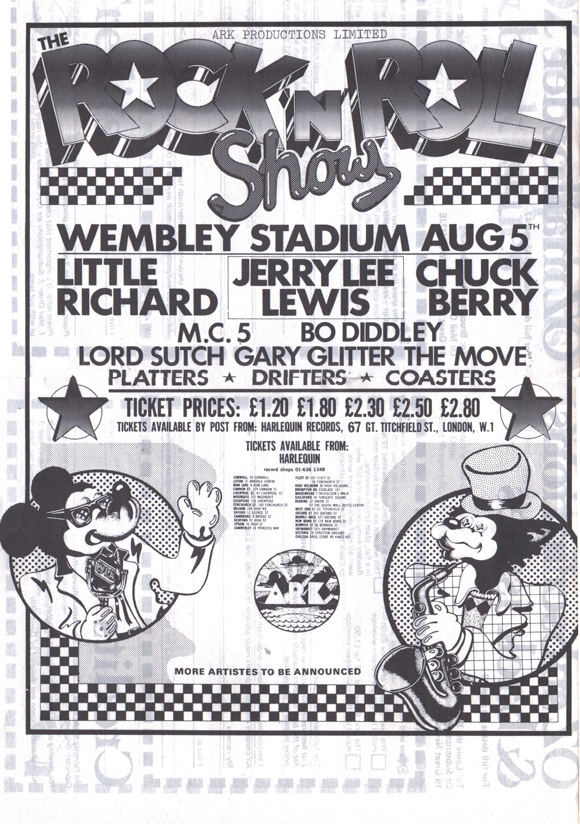
//Flyer for The Rock n Roll Show printed on the back of a subscription form for Oz magazine, July 1972. The Move were replaced by lead member Roy Wood’s new band Wizzard; this was their first gig. Original Brit-rocker Heinz was added to the bill; his backing band would soon become Dr Feelgood//

I acquired my first underground press publications in the summer of 1972, at about the point when the sector was taking the nosedive from which it never recovered.

Still, better late than Sharon Tate, as they say. Aged 12, my taste had been whetted by sneak peeks at an older brother’s collection of magazines when a guy called Kevin O’Keefe who lived down the road gave me a few copies of Oz, including number 43, the July issue.

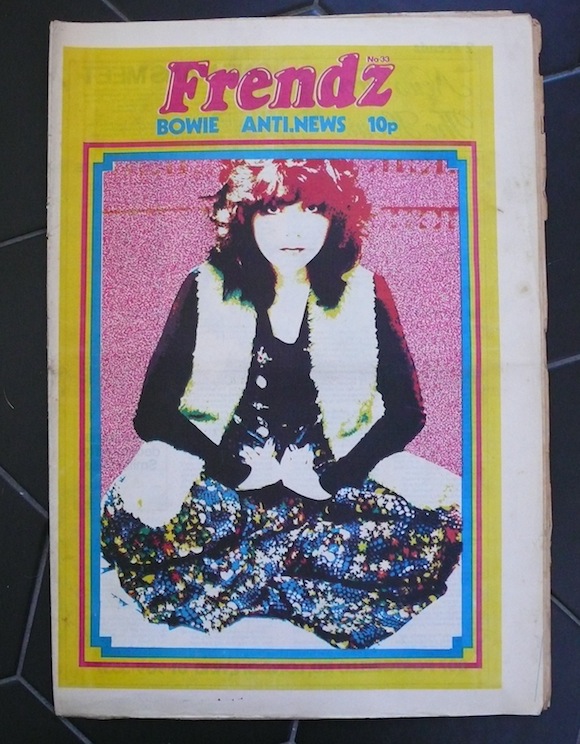
A few weeks later, to my astonishment, the newsagents in Hendon’s Church Road started stocking Frendz. I folded issue 33 between a couple of music papers and pored over it in my bedroom.

P1150578
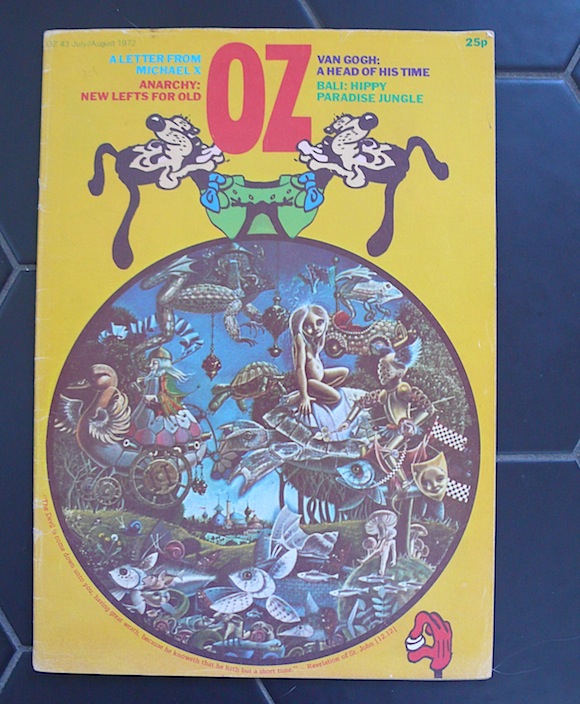
//Front cover of OZ 43, the issue which included the Wembley flyer//
P1150560
//Front cover, Frendz 33, September 1972//
LetItRock-standWembley72
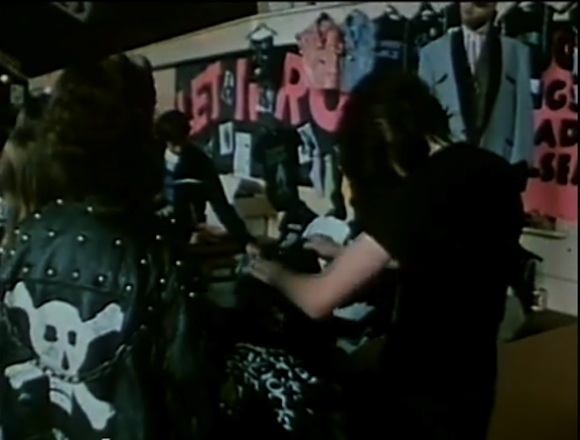
//Crowds around the Let It Rock stand. From the 1973 film London Rock N Roll Show directed by Peter Clifton//

Neither of the magazines are shining examples of the genre, but they had something in common: the centre spread of OZ 43 contained a subscription form back-printed with a flyer for the London Rock N Roll Show, a one-day festival of original 50s acts and those who could claim kinship held at Wembley Stadium on August 5 that year.

And for me the most beguiling article in Frendz 33 was a two-page stream-of-consciousness report of the event filed by one Douglas Gordon and illustrated with photographs by Pennie Smith, soon to leave for the NME and carve out her reputation as one of rock photography’s all-time greats.

Continue reading The London Rock n Roll Show at Wembley Stadium 1972: Memories of Oz, Frendz and the Let It Rock stall

Malcolm McLaren: After Pharrell, Westwood and Dries is he the disappearing man of fashion?

WorldsEnd-BuffaloHat2
//McLaren/Westwood Buffalo Hat 1982, V&A Collection.//

Long-standing revisionism is not unusual on the breakdown of a partnership, and there has been much rewriting – not least by the parties themselves – of the history of who did what, where and to whom in the three decades since the dissolution of one of the most potent creative collaborations in the history of popular culture: that between Malcolm McLaren and Vivienne Westwood.

WorldsEnd-Buffalohatbrim WorldsEnd-Buffalohatbrim2

buffalo-smash01
//In the arena: McLaren engages with pop, 1983//

It will be a while before we understand whether their achievements together will leap the boundaries of the still-bouyant decorative arts and the now-dessicated form of popular music into true and lasting cultural significance, but for the time being the couple’s combined impact on fashion design and the development of musical genres from punk to hip-hop and world music continues to draw in contemporary performers and designers.

QV the ballyhoo around Pharrell Williams’ recent sporting of a Westwood reissue of the so-called Buffalo Hat, a design produced by the pair for the Worlds End 1982 Buffalo collection. This coincided with the opening of their last retail environment Nostalgia Of Mud and also provided a major element in the visual identity of McLaren’s debut solo album, the towering pre-digital cross-genre pop masterpiece Duck Rock.

The hat, like the rest of the Buffalo collection, was undeniably a product of their collective resources. It may have been his concept – taken from images of traditional Peruvian dress discovered during research for Duck Rock – but it was their combined realisation.

Continue reading Malcolm McLaren: After Pharrell, Westwood and Dries is he the disappearing man of fashion?

SEX Cowboys return to Situationist roots in new T-shirt inspired by one of my posts

SONY DSC
//Drift: New t-shirt from Japanese streetwear company Peel + Lift//

My 2011 post unraveling the threads running through the notorious Naked Cowboys punk t-shirt has itself inspired a new shirt.

The Cowboys t-shirt was designed by Malcolm McLaren in 1975 for sale in SEX, the shop he ran with Vivienne Westwood at 430 King’s Road in London’s World’s End.

Popular with punks and worn by members of the Sex Pistols and their coterie, it was initially known as the Saturday Night Dance shirt because of the presence of the dancehall sign in the appropriated homoerotic cowboy illustration by Jim French.

cowboys-auction
//Cowboys t-shirt sold at auction in London last year//

The new t-shirt has been produced by Japanese streetwear company Peel + Lift, which reproduces many McLaren and Westwood designs. It is entitled Drift, making overt the presence of 60s radical thinking in McLaren’s artwork: the drift, or the dérive, was a major theme of the Situationist International, which believed individuals should allow themselves to wander urban landscapes and become either repelled or enchanted by what they found (in the manner of the archetypal French urban explorer the flâneur).

Le Retour de la Colonne Durutti
//Panel, p3, Le Retour de la Colonne Durutti, 1966//

Continue reading SEX Cowboys return to Situationist roots in new T-shirt inspired by one of my posts