
Here’s another treasure from the trove of Design magazines given to me by the designer Paul Walters; the invitation for the opening of Paul Reeves’ west London boutique Universal Witness in November 1970.
Here’s another treasure from the trove of Design magazines given to me by the designer Paul Walters; the invitation for the opening of Paul Reeves’ west London boutique Universal Witness in November 1970.


//Above: Fashion Beast story, AH+ 53. Photography Drew Vickers; fashion Tom Guinness//
The new issue of Arena Homme + – which is available to read through Exact Editions here for those who can’t obtain physical copies – includes a 28-page extravaganza on Malcolm McLaren’s activities across cinema, fashion and music during the mid-80s.
With an extract from my new biography of McLaren, the feature homes in on Fashion Beast, the unrealised film collaboration with Britain’s dark magus of comic book writing Alan Moore. It also includes my interview with Moore as well as an ingenious fashion story photographed by Drew Vickers and styled by Tom Guinness.


My recent Rocketman post gave me cause to dig out my copy of the catalogue produced for the groundbreaking exhibition Fashion: An Anthology, staged by London’s V&A from October 1971 to January 1972.


My biography of the late Malcolm McLaren will now be published in April 2020, exactly 10 years after his premature death at the age of 64.

The Barney Bubbles x Fred Perry shirts are available to buy now online; click on the image above to find out more.

On the collapse of their design partnership in October 1983 after showcasing of the collection Worlds End 1984 in Paris and London, Malcolm McLaren and Vivienne Westwood went their separate ways.
Continue reading ‘Extraordinary… transgressive’: Malcolm McLaren’s great lost fashion collection
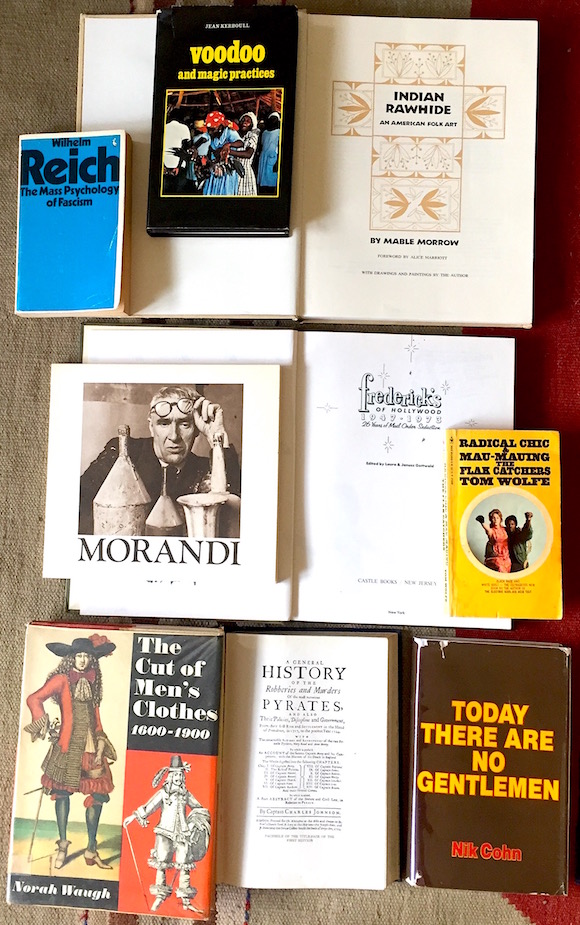
A few years back I came across Malcolm McLaren’s annotated copy of Indian Rawhide, the anthropologist Mable Morrow’s study of the folk art produced by Native American tribes which inspired the late cultural iconoclast in the conceptualising with his partner Vivienne Westwood of their Spring/Summer 1982 fashion collection Savage.
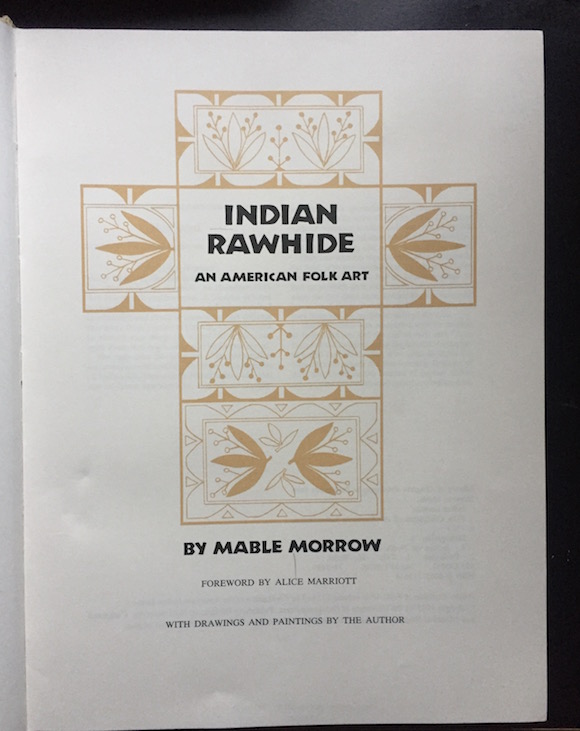
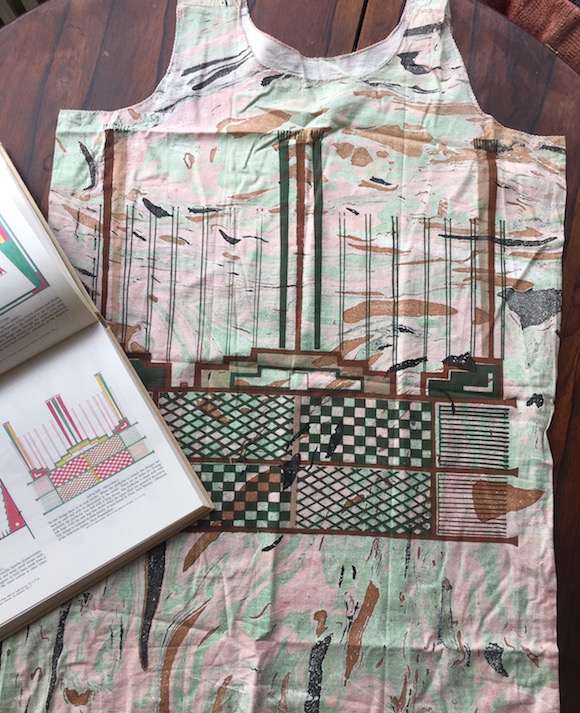
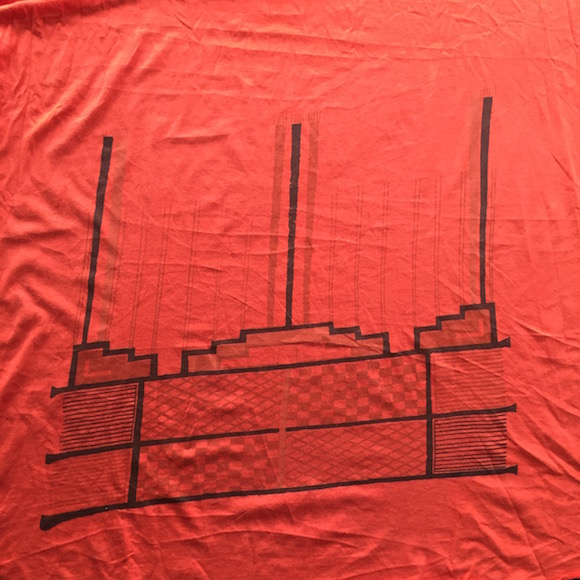
McLaren obtained a copy of Morrow’s book during travels recording his debut solo album Duck Rock. Since the Pirate collection of March 1981 had established a post-Punk direction for himself and Westwood and their Worlds End shop and label, McLaren set about investigating the powerful ideas residing in pre-Christian ethnic cultures, selecting Indian Rawhide as the text with which to frame the next group of designs.
My McLaren biography, to be published in spring 2018, will reveal that research – particularly literary – was one of the life-long consistencies in his approach to creative acts.
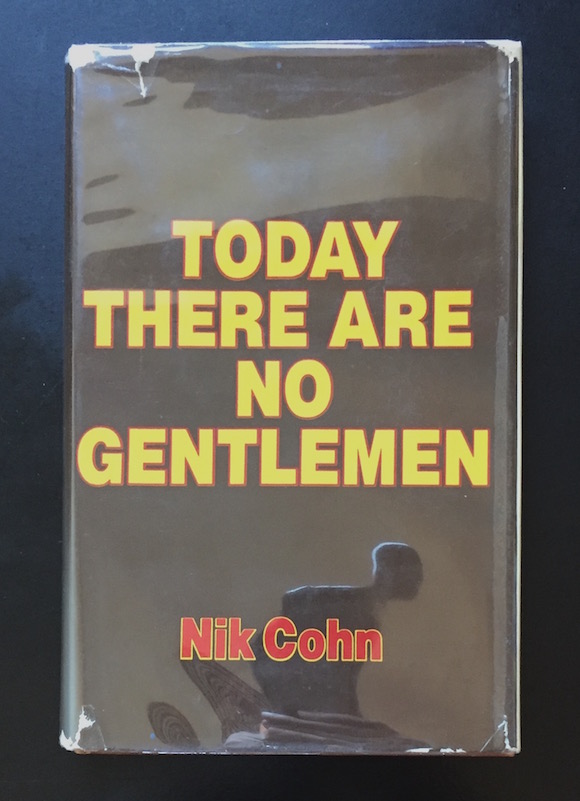
The musician Robin Scott told me that McLaren was an avid attendee of art history lessons during their spell as students at Croydon Art School in the 60s, and a couple of years before his death in 2010 McLaren confirmed that he was inspired in part to open Teddy Boy revival emporium Let It Rock at 430 King’s Road in 1971 after reading Nik Cohn’s peerless post-WW2 youth cult history Today There Are No Gentlemen.

This is the book which inspired the late Malcolm McLaren to unite the design ideas he developed with Vivienne Westwood for their Autumn/Winter 1983 fashion collection Witches.
At the time McLaren was completing his album Duck Rock, which was conceived as an ethnological travelogue and modelled on the LP series Dances Of the World’s Peoples released on the ethnographic Folkways label; in fact, Duck Rock was originally titled Folk Dances Of The World and the incorporation of an illustrated insert containing track-by-track explanations was taken from the one which appeared in the 1958 albums.


//Above left: Frankie in Buffalo hat, white Nike socks and my George Cox Diano creepers. Right: Natalie in Malcolm McLaren’s Chico hat (Witches, 1983), Buffalo jacket (Nostalgia Of Mud, 1982) and Bondage Trousers (Seditionaries, 1976). Photography: Alasdair McLellan. Styling: Olivier Rizzo. Hair: Duffy: Make Up: Lynsey Alexander. Man About Town SS16//
On a warm London afternoon last July I enjoyed a meeting with Ben Reardon, editor-in-chief of the biannual Man About Town, the magazine’s senior fashion editor Danny Reed and Young Kim of the Malcolm McLaren Estate.

This is an extract from an interview with the late Malcolm McLaren in October 1982, conducted just after he and design partner Vivienne Westwood had shown their fashion collection Punkature.
As the promulgator, initially through music and fashion and then into other forms from film and art to design and media, McLaren defined Punk as an anti-authoritarian, anti-corporate attitude imbued with a D-I-Y spirit which embraces chaos.