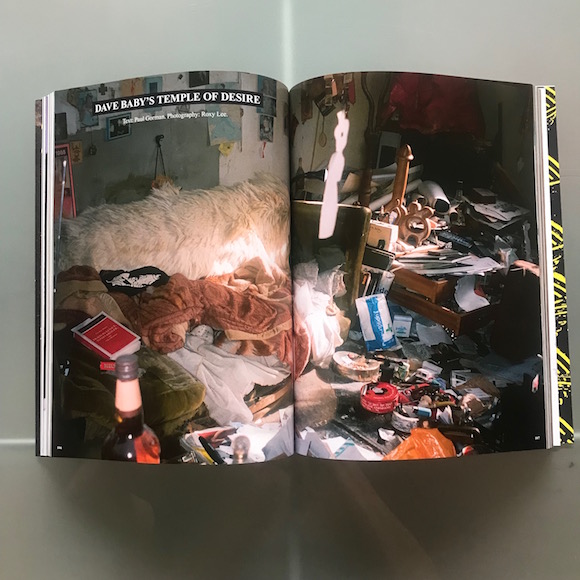
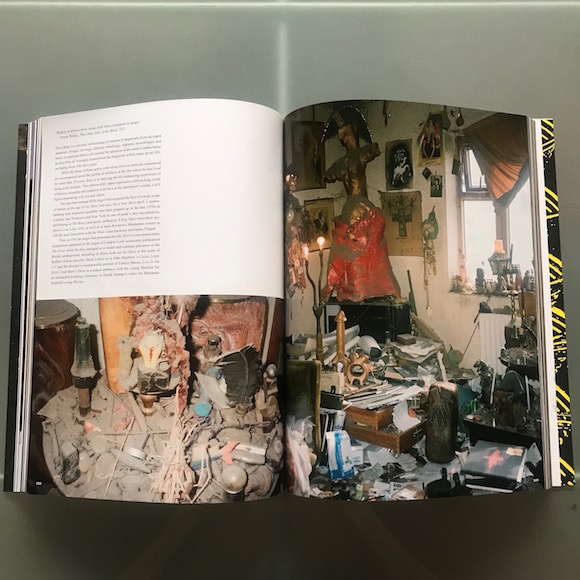
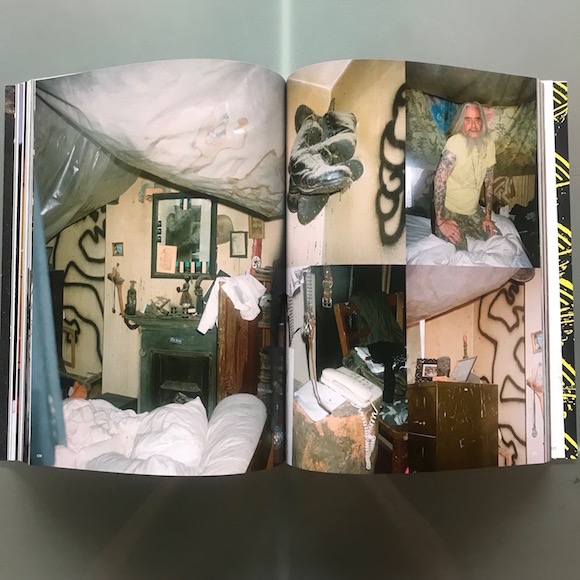
The new interiors magazine TON – the first issue is out now – has two pieces by me on very different but equally extraordinary homes.
TON’s founder and editor-in-chief Jermaine Gallacher – who works with art director Rory Gleeson and editorial director Ted Stansfield – commissioned me to write about Dave Baby’s apartment close to where we both live, in south London’s Stockwell.
As I write, ‘this otherworldly space represents a bewitching realm of desires, sexuality and esoterica with Dave at the maelstrom’s centre, a still figure dispensing wily wit and charm’.
//Subscribe exhibition ident////Artist and filmmaker Steve McQueen (right) featured in The Uniform Backlash, The i-D Bible Part 2, 1989. Photography Daniel Kohlbacher, styling Simon Foxton. Paul Gorman Archive//
Beginning in the early 1970s—as under-represented groups were demanding new forms of visibility following the emergence of political movements such as Black Power and the Stonewall Rebellion—a handful of British and American photo-driven alternative magazines came on the scene.
The Face, i-D, Rags, Out/Look, and other new publications amplified marginalized voices, especially those of queer makers and makers of colour, and made room for those makers to question who and what was accepted as mainstream. These publications introduced a hybrid model within the magazine industry: combining the high production standards and engagement with fashion of “powerhouse” publications such as Vogue and Life with the use of collage in zines and the text/image provocations of underground newspapers. In the end, these alternative magazines transformed their industry.
From the introduction to Subscribe.
Two years ago, just as the enormity of the pandemic was emerging, I met American curators Solveig Nelson and Michal Raz-Russo in London to discuss making a contribution to an exhibition at the Art Institute of Chicago about the significance of alternative magazines to Western culture.
//Wild youth: Scenes of abandon from Twist Drunk/Drunk Twist in Ark 33. Photos: Keith Branscombe//
//Cover, Ark 33, Autumn 1962. Photography: Keith Branscombe//
The publication of issue 33 of the Royal College of Art’s magazine ARK in the autumn of 1962 hit the moment in terms of the turbo-charging of contemporary youth culture.
This summer I am staging PRINT! Tearing It Up, an exhibition at central London’s Somerset House which investigates and celebrates the power of independently produced British magazines and journals.
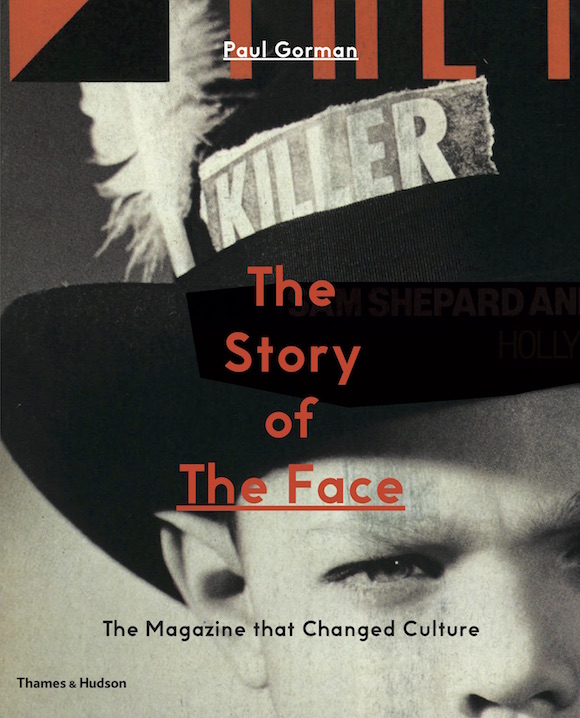
This is the front of the jacket of my new book The Story Of The Face: The Magazine That Changed Culture, which is published by Thames & Hudson this autumn.
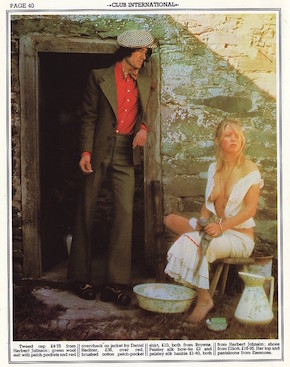
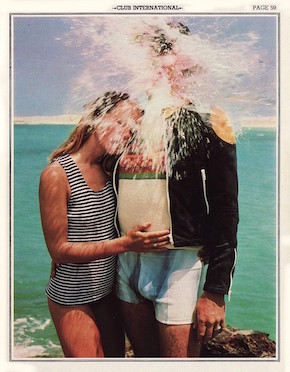
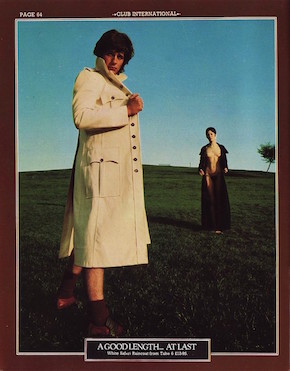
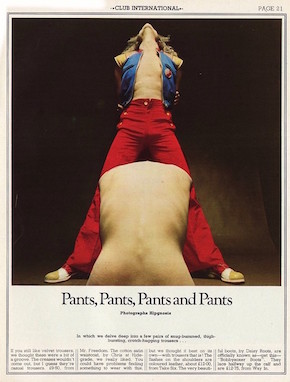
When innovatory British men’s magazine Club International was launched in 1972, editor Tony Power and art director Steve Ridgeway assembled a diverse pool of contributors, including jazzer, art critic and cultural commentator George Melly, the Stately Homo Quentin Crisp, Rocky Horror Show founder Richard O’Brien, former White Panther Mick Farren, photographers David Parkinson, Mick Rock and Karl Stoecker, illustrators Bush Hollyhead and Brian Grimwood and the design studio Hipgnosis.
//Casual trousers £9.50 from Mr Freedom; satin waistcoat £12 from Chris at Hidegrade; Bobbysoxer Boots £12.75 by Daisy Roots from Way In. From Club International Vol 1 No 3, 1972////Prince of Wales Oxford bags £4.95 from Take 6; Hollywood Funsters £12.25 by Daisy Roots from Way In. From Club International Vol 1 No 3, 1972//
//Magazines from my archive (clockwise from top left): Creem, August 1974; Grand Royal #3, 1995; Club International, August 1973; Harpers & Queen, October 1976//
//After Dark, September 1974; Ben Is Dead #26, 1996//
I’m one of the contributors to Print, writer Lou Stoppard’s forthcoming celebration of the great fashion and music magazines of the past and present.
//From Print’s 75th anniversary issue, illustrations (clockwise from top left): A section of Bubbles’ design for the sleeve of 1979 LP Armed Forces lines up with work by Ruth Ansel, Andrew Loomis, Ladislaw Sutnar, Cipe Pineles and Paul Bacon//
For its 75th anniversary issue, US visual culture publication Print has selected Barney Bubbles as one of six “unsung heroes of design”.