//Jean Shrimpton in Mr Freedom Minnie Mouse top, Hans Feurer, Fancy Dressing, Nova, December 1970, with the original design on tracing paper by Refna. No reproduction without permission//
Exciting news: Elizabeth Hamey, who signs her work ‘Refna’, has granted me access to her amazing archive of work at the cross-hatches of art, design and fashion in the 1960s and 70s.
I’m delighted to announce that my map The Look Of London – which teases out the intertwining of popular music and street style in our capital over five decades – has been reissued by groovy guide makers Herb Lester Associates.
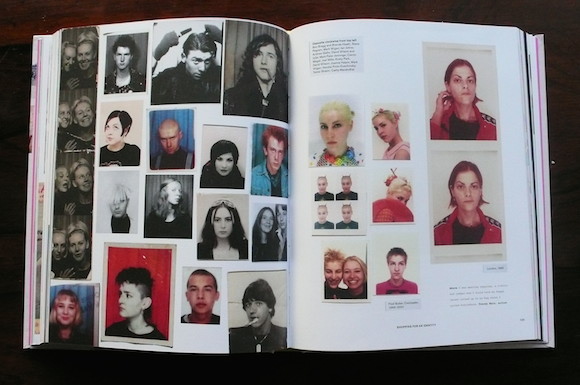
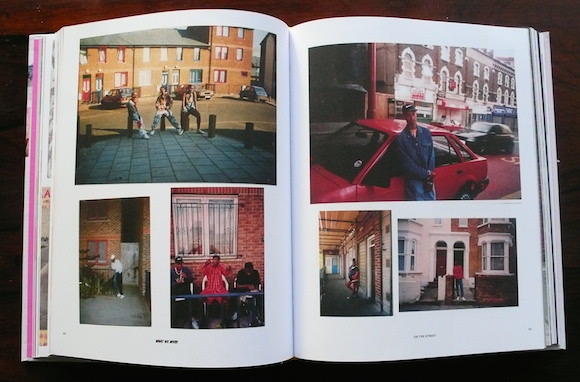
//Left: Among the contributors Ian Johns, Mark Wigan, Nendie Pinto-Duschinsky and Andrew Gallix. Right: Fred Butler 1995-2001 and Tracey Emin in 1995////Winston Milton and friends, Hackney 1993-8//
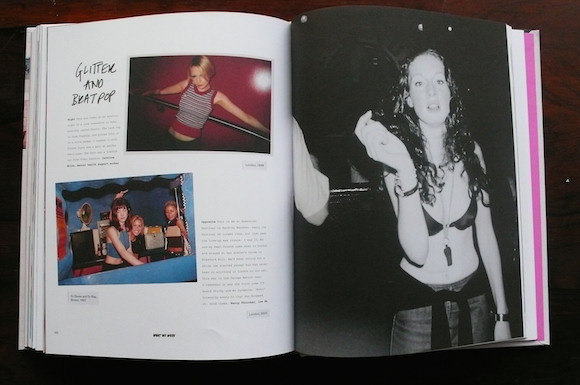
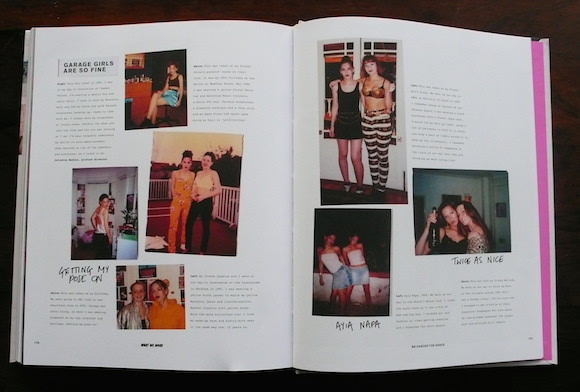
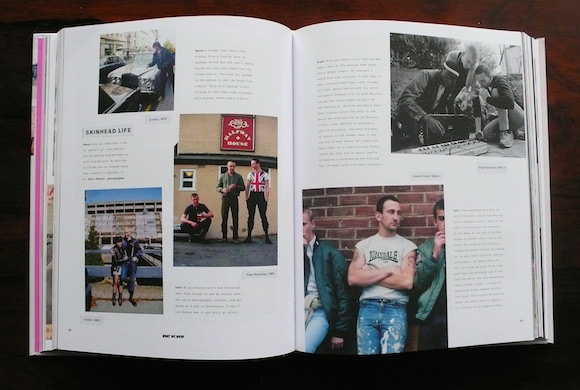
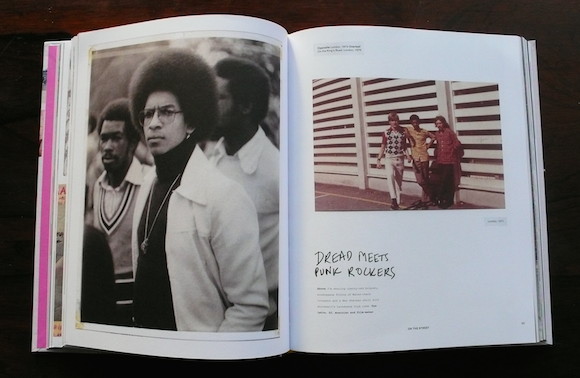
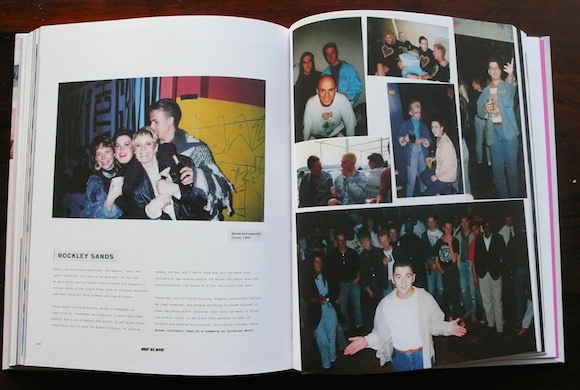
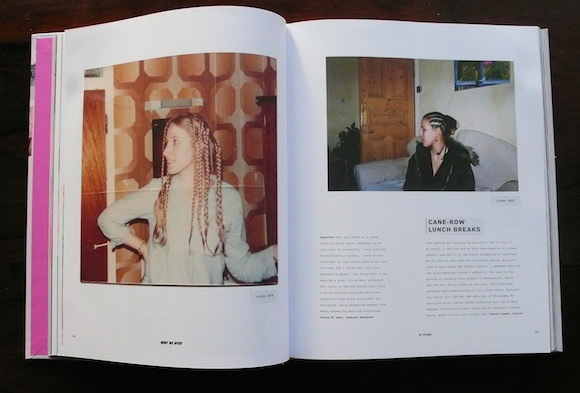
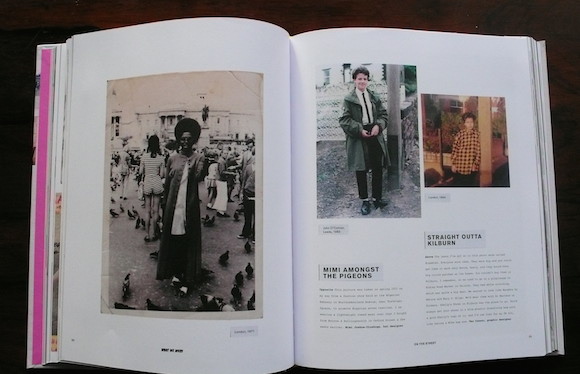
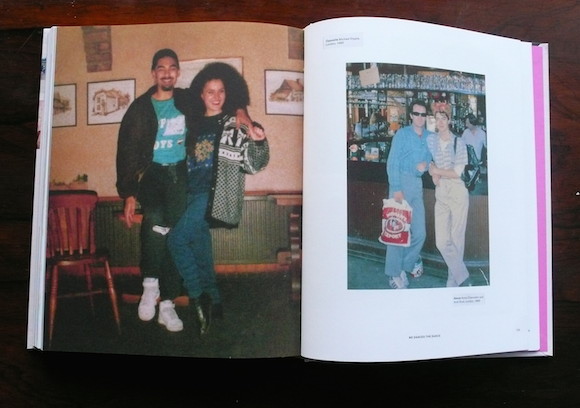
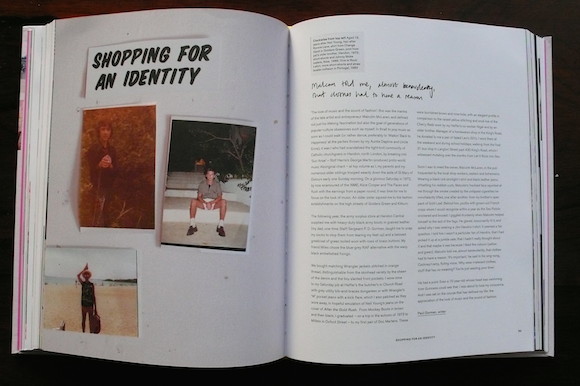
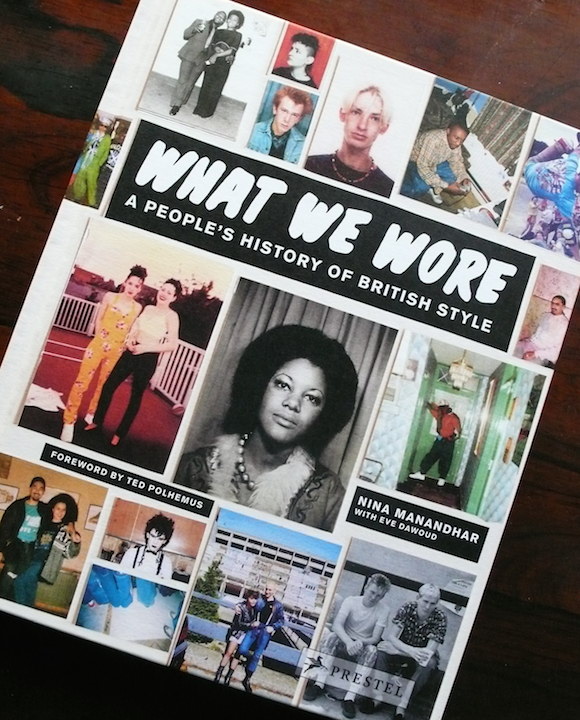
Into the over-worked field of ‘street style’ comes a breath of fresh air: What We Wore – A People’s History Of British Style.
Free of cliche and pretension, Nina Manandhar and Eva Dawoud’s book compiles the personal images and anecdotes of a hugely diverse set of contributors.
//Left: Caroline Milne, Ghetto, London, 1999; DJ Dazee and DJ Rap, Bristol, 1997. Right: Nancy Thornber, Essential Festival, London, 2001////Juliette Hedoin and friends clubbing in London and Ayia Napa 1995-2002////Gavin Watson and friends on the skinhead scene, 1982-5//
The book is not dominated by well-known people and the usual suspects who patronise this narrative (though I snuck in there) and so is true to the subtitle; What We Wore celebrates in a thoroughly egalitarian manner “the presentation of self” – Erving Goffman’s phrase as cited by Ted Polhemus in his excellent foreword.
//Don Letts with friends, London, 1971 (right) and 1973////Russel Coulthart and friends at Rockley Sands, Dorset, 1988////Left: Diane El Dabi, London, 1979. Right: Cassie Clarke, London, 2002////Left: Mimi Joshua-Olushoga, London, 1971. Right: John O’Connor, Leeds, 1982 and Teo Connor, London, 1994////Left: Michael Dipple and friend, London 1980. Right: Jock Scot and Anna Chancellor, London, 1986////Me, London 1973, Ibiza, 1986, Portugal, 1982//
What We Wore is a fitting testament to our collective visual invention. I recommend it highly.
Sad to note the anniversary today of the death of Tommy Roberts, flamboyant design entrepreneur and subject of my book Mr Freedom.
//Dedication (right) with (left on cover-flap) list of abiding interests (courtesy Eve Ferret + Mark Summerfield) and Brian Aris portrait////Roberts opened Kleptomania with Charlie Simpson in Kingly Street, central London, in 1966////Neon arch sales counter display designed by Jeffrey Pine for Mr Freedom, opened with partner Trevor Myles at 430 King’s Road in September 1969//
Here – with a selection of images from Mr Freedom – is an extract from an essay I have written about Roberts’ role in the development of design in Britain for Chris Breward and Ghislaine Wood’s book British Design: Tradition & Modernity, which will be published by Bloomsbury next year.
It is arguable that wider recognition for Tommy Roberts’ audacious innovations in the promotion of street style, furniture, gastronomy, home-wares, interiors and collectables was undercut by his refusal to observe the sensitivities of England’s post-war design world.
Roberts adopted an ebullient public persona to match his stout physique and broad Cockney accent. “I’m the most vulgar man in fashion, darlin’!” Roberts proclaimed to the no-less outrageous Sunday Times fashion editor Molly Parkin in the heyday of his Pop Art fashion and objects emporium Mr Freedom.
//Clockwise from top left: Cover, Helen And Desire, 1970; George O'Dowd, photo: Richard Bevan, 2013; Carnaby Street book and Palisades swing tag, 1970 and 1966; front cover, Anarchy In The UK newsprint fanzine, 1976//
I’m involved in a couple of events which open in London this week: artist Lucy Harrison’s multi-layered project Carnaby Echoes in the West End and photographer Nick Knight’s exhibition Punk at his Showstudio space in SW1.
The spirit of great British boutique culture is summoned by a couple of lots in next week’s Pop Culture sale at Christie’s.
One is a previously unpublished June 1967 photograph of Jim Hendrix not in Carnaby Street as captioned, but outside the tobacconist Finlay’s, which was in Foubert’s Place. It’s evident from the carrier bag in his famous left hand that the guitarist had just visited I Was Lord Kitchener’s Valet, which was next door to Finlay’s and the place where he bought the Hussar’s jacket worn in this photograph and at Monterey Pop that same month.