

I’ve returned to the excellent MacGuffin magazine with a piece in their latest issue, which adopts the theme ‘The Chain’.
Continue reading Oh Bondage! Up Yours! My piece in the latest issue of MacGuffin
I’ve returned to the excellent MacGuffin magazine with a piece in their latest issue, which adopts the theme ‘The Chain’.
Continue reading Oh Bondage! Up Yours! My piece in the latest issue of MacGuffin

What with Pistol and all, it seems timely to discuss Malcolm McLaren’s place in the scheme of things so tonight journalist Helen Barrett and I will be in conversation at a London Society event about the late cultural iconoclast’s relationship with the city of his birth. Here is a selection of visuals from this evening’s presentation.
Continue reading Post-Pistol – a timely look at Malcolm McLaren’s London at Fora Soho tonight


Rare and exclusive images will be on display during the forthcoming event about the late Malcolm McLaren’s London life at Fora Soho on June 9.

In the evening June 9 I’ll be in Soho for a London Society event about the London life of the late cultural provocateur Malcolm McLaren.
At workplace venue Fora in Broadwick Street writer Helen Barrett and I will be discussing the ways in which the man born in Stoke Newington and buried in Highgate Cemetery used the city as the springboard for his dizzying range of creative and subversive activities.
Continue reading Malcolm McLaren’s London Life with Helen Barrett at the London Society on June 9


Beginning in the early 1970s—as under-represented groups were demanding new forms of visibility following the emergence of political movements such as Black Power and the Stonewall Rebellion—a handful of British and American photo-driven alternative magazines came on the scene.
The Face, i-D, Rags, Out/Look, and other new publications amplified marginalized voices, especially those of queer makers and makers of colour, and made room for those makers to question who and what was accepted as mainstream. These publications introduced a hybrid model within the magazine industry: combining the high production standards and engagement with fashion of “powerhouse” publications such as Vogue and Life with the use of collage in zines and the text/image provocations of underground newspapers. In the end, these alternative magazines transformed their industry.
From the introduction to Subscribe.
Two years ago, just as the enormity of the pandemic was emerging, I met American curators Solveig Nelson and Michal Raz-Russo in London to discuss making a contribution to an exhibition at the Art Institute of Chicago about the significance of alternative magazines to Western culture.

British design media outlet Creative Review has reported on the publication of A Box Of Bubbles, the forthcoming limited edition boxed and enhanced edition of the new monograph The Wild World Of Barney Bubbles.
Continue reading Creative Review celebrates A Box Of Bubbles
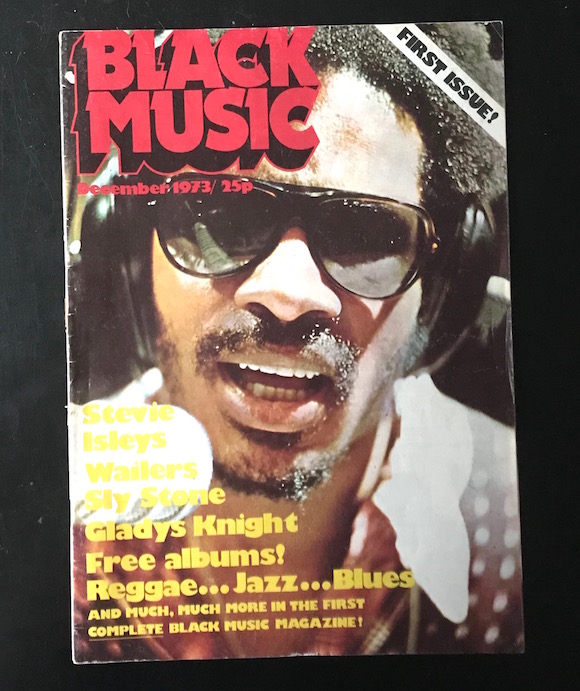
Working on my forthcoming book The Rise & Fall Of The Music Press has brought home to me the brilliance of publications and journalists who have been marginalised in the story of the media sector inaugurated by the launch of The Melody Maker (as it was then known) in 1926.

A Box Of Bubbles is the special edition of the forthcoming book The Wild World of Barney Bubbles.
Continue reading A Box Of Bubbles: Limited edition up for grabs now


My next book, The Wild World of Barney Bubbles, is published around the world this summer by Thames & Hudson.
This is the enhanced and revised third edition of my monograph of the late graphic artist, who died in 1983 and would have been 80 this year.
Continue reading The Wild World of Barney Bubbles is out this summer

These faded pages constitute a film pitch Malcolm McLaren sent by fax to screenwriters Neal Purvis and Robert Wade way back in 1991.


Purvis and Wade are responsible for many film successes including the astounding run of screenplays for the seven James Bond movies from 1999’s The World Is Not Enough to the recently released No Time To Die. I’ve known them for a while and Neal has mentioned their contact with McLaren during preparations for their first feature Let Him Have It, so made sure it was covered in the hardback edition of The Life & Times of Malcolm McLaren.
Continue reading Too Too Utterly: Malcolm McLaren’s film pitch by fax to James Bond scriptwriters