//”I know that up there they’ll be having a good laugh.” Lindsay Anderson////Rachel Roberts + Jill Bennett//
This is from Lindsay Anderson’s final film Is That All There Is?, the 1995 autobiographical documentary which included a celebration of the lives of his friends, the formidable actresses Jill Bennett and Rachel Roberts.
The exclusion of designer James Tormey – and in particular his early 70s covers for a series of Raymond Chandler books – from Phil Baines’ history Penguin By Design: A Cover Story 1935-2005 has long rankled with me.
I was expecting to find out more about the man whose remixes of Hollywood classic stills led me to Chandler in my early teens. But there is no mention of Tormey or these covers, which hummed at the time with the revival of interest in 40s cinema, and film noir in particular.
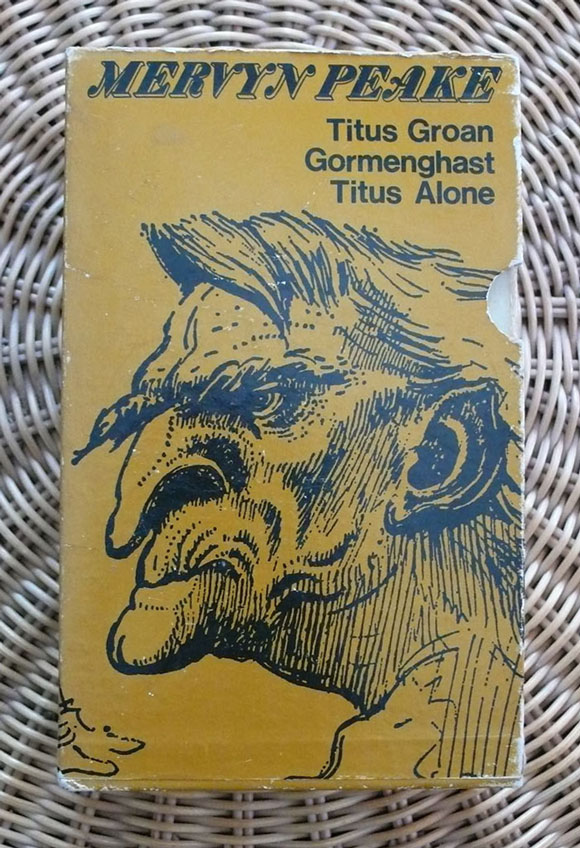
A recent conversation with artist John Frankland about the work of Mervyn Peake has brought me back to one of my most treasured possessions: the 1970 Penguin edition of Peake’s masterpiece Gormenghast.
Designed by Robert Hollingsworth, the three illustrated paperbacks Titus Groan (first published in 1946) Gormenghast (1950) and Titus Alone (1959) were housed in a case decorated with Peake drawings.
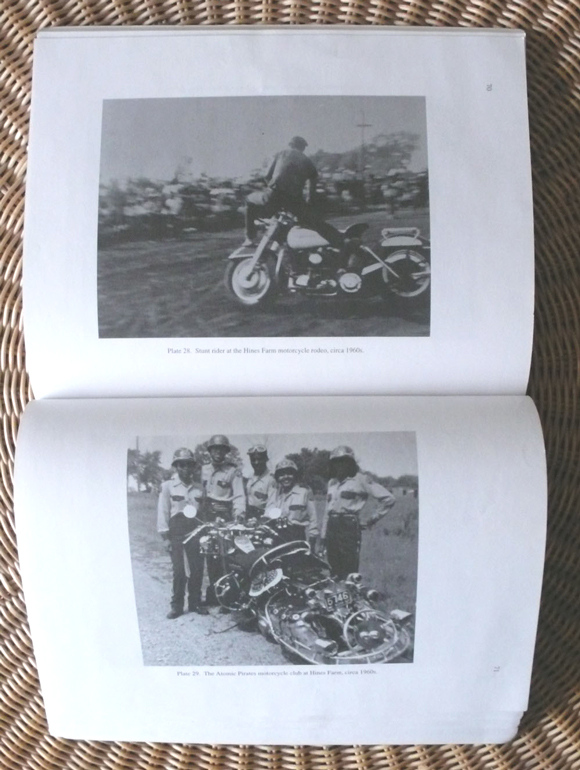
A chat with photographer/Men’s File publisher Nick Clements at the opening of his show Revival – which looks at the re-enactment of the styles surrounding American bike culture of the 50s for his Royal College Of Art research project – put me in mind of original black motorcycle clubs the Atomic Angels and the Gypsy Pirates.
I first came across them a decade or so ago when covering another academic study, Matthew Donahue’s I’ll Take You There, for Mojo magazine. Donahue’s book focused on a true cultural phenomenon: Hines Farm in Swanton, Ohio, whose owners Frank and Sarah Hines were the first African-Americans in the region to be granted a liquor licence.
Described by Alan Moore as William Blake’s “fellow impoverished south London angel-headed nut-job”, Austin Osman Spare has slowly but steadily ascended from obscurity since the critic Mario Amaya‘s mid-60s declaration that Spare was responsible for “the first examples of Pop art in this country”.`
As a companion to today’s post on the Horses cover, here’s another Patti Smith item from the archive: a feature by Penny Green from the October 1973 issue of Andy Warhol’s Interview magazine.
Coinciding with the publication of Smith’s poetry book Witt, the photographs for the Interview piece were taken by Barbara Walz (who later produced The Fashion Makers with Bernadine Morris).