//From the series Skelmersdale, 1984. Photograph by Stephen McCoy////Derrin Crawford & Demi-Leigh Cruickshank, The Liver Birds, LOVE, 2012. Photograph by Alice Hawkins////Raf Simons menswear Autumn Winter 2003, Paris Menswear Fashion Week. Copyright Catwalking.com//
Here is a selection of amazing images featured in new exhibition North: Identity, Photography, Fashion, which is open to the public from today at Liverpool’s Open Eye Gallery.
//Mannequin, New Power Studio, Autumn/Winter 2010 – Spring/Summer 2012. Wall: Manchester, Newcastle and Sheffield, 1995-2001, Jason Evans////Set design, Tony Hornecker, 2016. Film: Stylist Simon Foxton discusses growing up in Berwick-upon-Tweed, produced in collaboration with SHOWstudio, 2016//
I am very grateful to curators Adam Murray and Lou Stoppard for these exclusive installation shots from their exciting exhibition North: Identity, Photography, Fashion, which opens in a couple of hours at Liverpool’s Open Eye Gallery.
Exploring the influence of England’s northern cities and landscape on fashion and visual culture, the show presents the work of such vital image-makers as Alasdair McLellan – who has created his first film installation for public display at North – as well as Jamie Hawkesworth, Glen Luchford and Nick Knight.
I’m delighted to announce that my map The Look Of London – which teases out the intertwining of popular music and street style in our capital over five decades – has been reissued by groovy guide makers Herb Lester Associates.
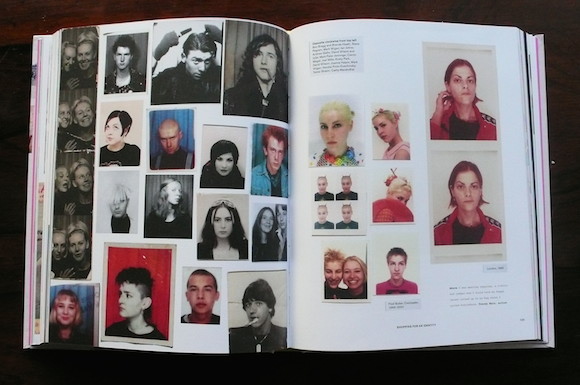
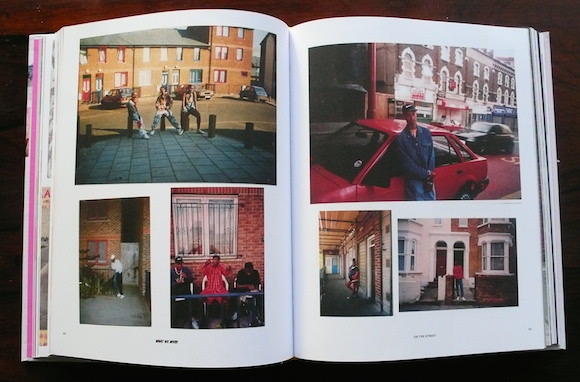
//Left: Among the contributors Ian Johns, Mark Wigan, Nendie Pinto-Duschinsky and Andrew Gallix. Right: Fred Butler 1995-2001 and Tracey Emin in 1995////Winston Milton and friends, Hackney 1993-8//
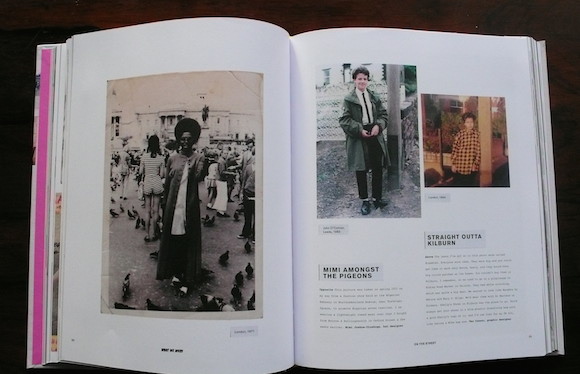
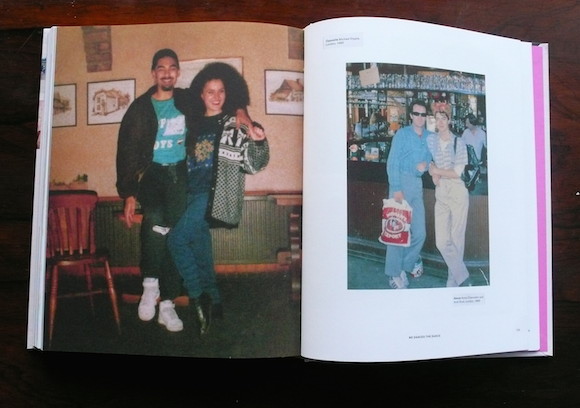
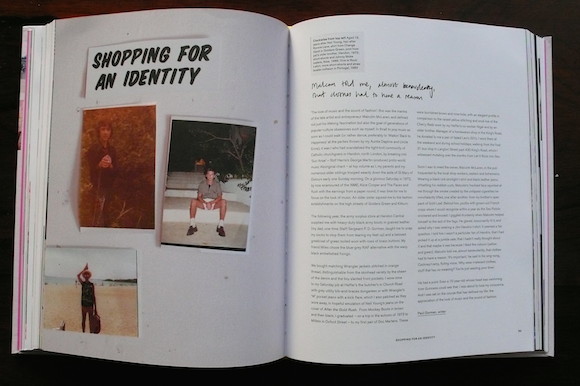
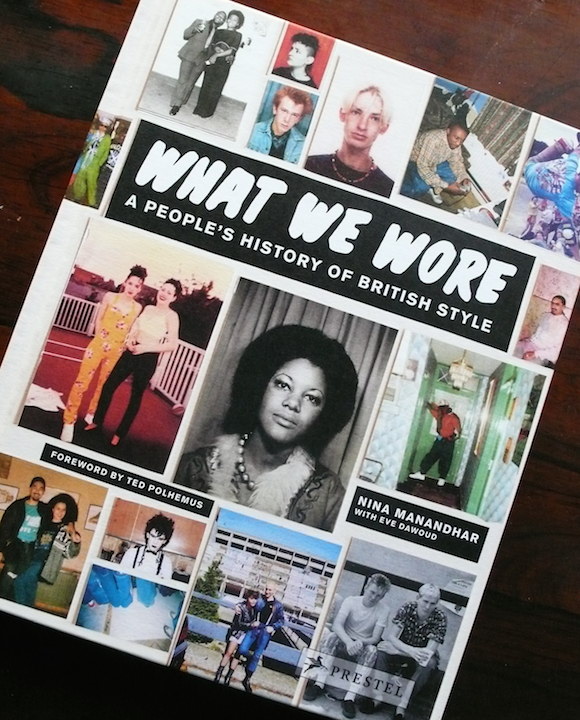
Into the over-worked field of ‘street style’ comes a breath of fresh air: What We Wore – A People’s History Of British Style.
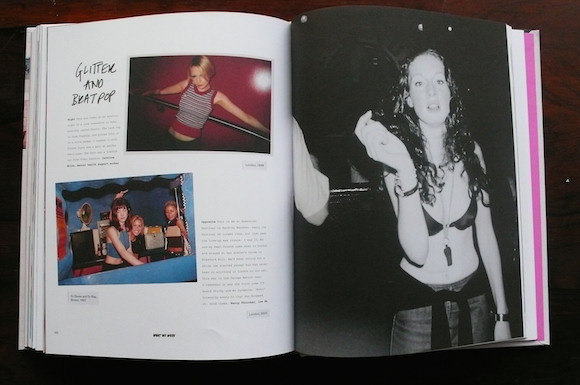
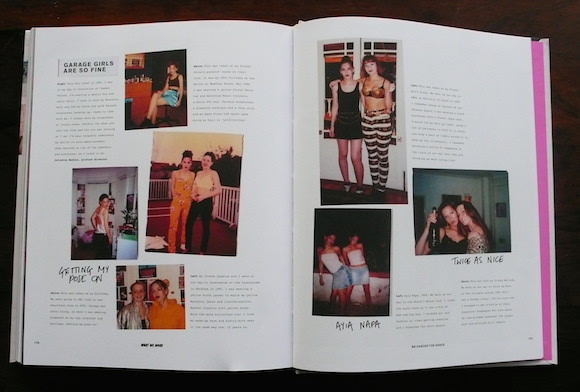
Free of cliche and pretension, Nina Manandhar and Eva Dawoud’s book compiles the personal images and anecdotes of a hugely diverse set of contributors.
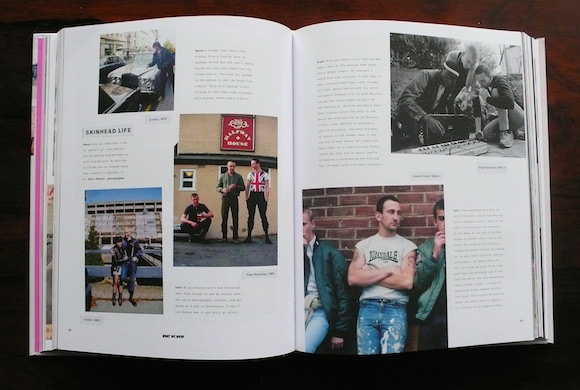
//Left: Caroline Milne, Ghetto, London, 1999; DJ Dazee and DJ Rap, Bristol, 1997. Right: Nancy Thornber, Essential Festival, London, 2001////Juliette Hedoin and friends clubbing in London and Ayia Napa 1995-2002////Gavin Watson and friends on the skinhead scene, 1982-5//
The book is not dominated by well-known people and the usual suspects who patronise this narrative (though I snuck in there) and so is true to the subtitle; What We Wore celebrates in a thoroughly egalitarian manner “the presentation of self” – Erving Goffman’s phrase as cited by Ted Polhemus in his excellent foreword.
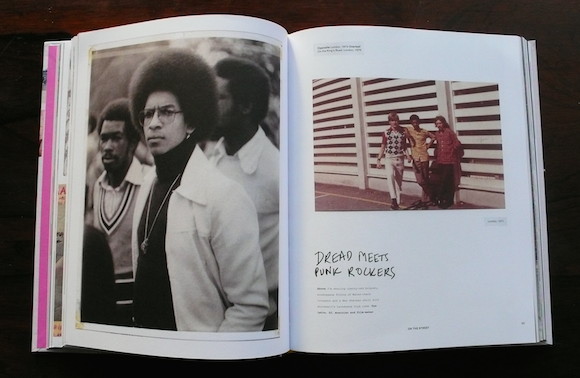
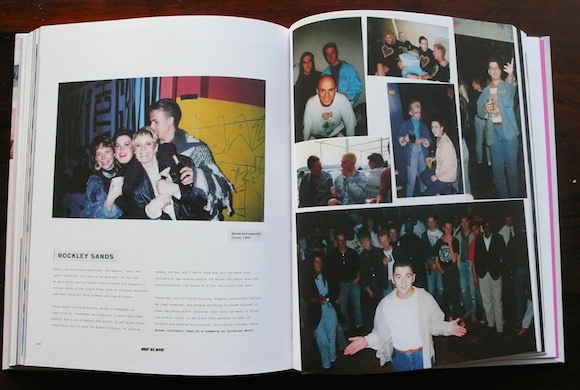
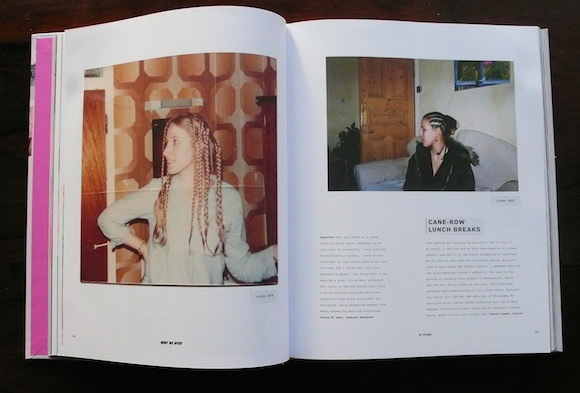
//Don Letts with friends, London, 1971 (right) and 1973////Russel Coulthart and friends at Rockley Sands, Dorset, 1988////Left: Diane El Dabi, London, 1979. Right: Cassie Clarke, London, 2002////Left: Mimi Joshua-Olushoga, London, 1971. Right: John O’Connor, Leeds, 1982 and Teo Connor, London, 1994////Left: Michael Dipple and friend, London 1980. Right: Jock Scot and Anna Chancellor, London, 1986////Me, London 1973, Ibiza, 1986, Portugal, 1982//
What We Wore is a fitting testament to our collective visual invention. I recommend it highly.
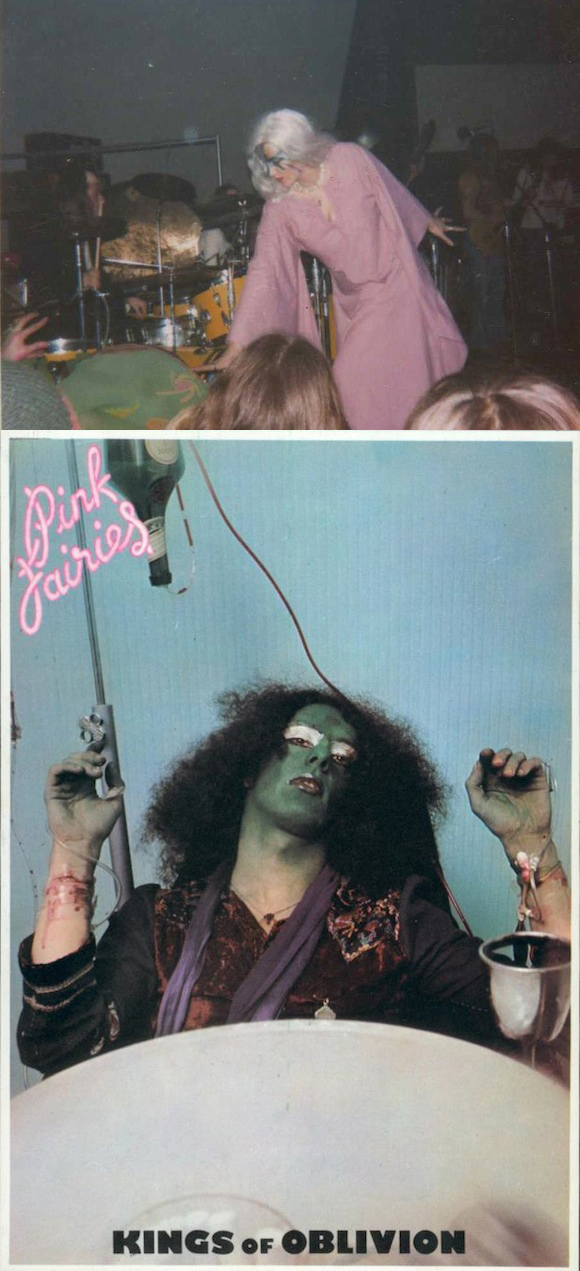
//Top: Stacia Blake weaving her magic onstage at The Roundhouse in 1975. Photo: Paul Apperley. Above: Peter Lavery's photo of Russell Hunter from the insert in the Pink Fairies' 1973 album Kings Of Oblivion. Posted on the Facebook Portobello Shuffle group by Ian Nottnotw Edmondson//
Sad to witness Hawkwind, the great British musical force which has carved out a unique position outside of the mainstream music business over several decades, dragged into a tawdry row regarding ownership of the group’s name.
The dispute has been sparked by saxophonist/flautist/sometime frontman Nik Turner. It seems he is trademarking the group’s name as a touring entity in the US, even though he hasn’t been a member for a long time.
Turner was in the line-up during Hawkwind’s greatest period, 1970-76, and returned sporadically until a parting of the ways with Dave Brock, generally acknowledged as Hawkwind’s founder and the band’s one constant, at the helm for all 44 years of its existence.
If scans of signed US documents circulated online prove to be authentic, Turner’s registration in the US – where he has just toured under the banner Nik Turner’s Hawkwind – denies the existence of any other entity of that name operating in the field of live performance. This undercuts his claims in the American press that he wants to spread peace and harmony by invoking Hawkwind’s name and has enraged a section of the fan base.
Brock meanwhile has cancelled his Hawkwind’s American tour on the basis that he – at 72, a year younger than Turner – is suffering from a stress-related illness as result of the dispute.
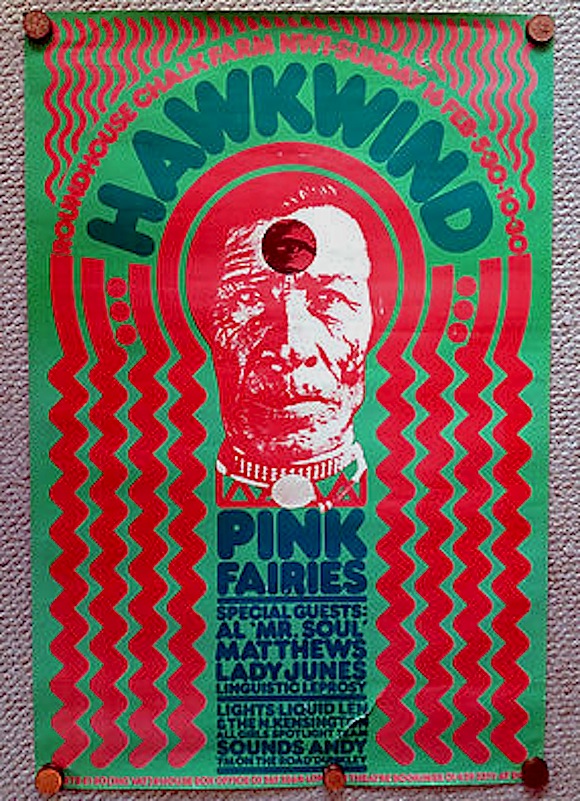
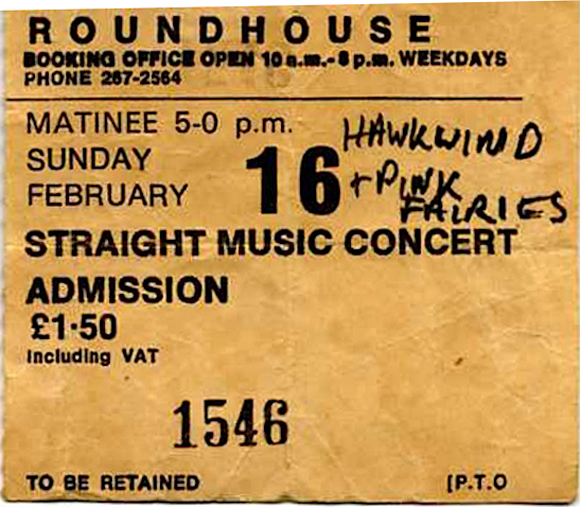
//Barney Bubbles poster for Sunday bill at The Roundhouse, 1975////I went with my friend Matthew Cang. He kept his ticket//
This is all a long way from the relative harmony in the ranks when I fell under their spell as a teenager. I saw Hawkwind a few times, at the Edmonton Sundown or the Dagenham Roundhouse in north-east London and at a free festival in Harlow New Town, Essex, but one particular concert in February 1975 when the ensemble played Camden Town’s Roundhouse with the Pink Fairies stays in the memory.
Artist Jeremy Deller was commissioned to make a film by the BBC to coincide with the opening of his exhibition All That Is Solid Melts Into Air, a peroration on the consequences for Britain of the advent and aftermath of the Industrial Revolution.
The film underlines Deller’s deft application of juxtaposition. Eight year old primary school pupils read 19th century transcripts of workhouse children of the same age and former pop stars Jarvis Cocker and Noddy Holder and actress Maxine Peake intone from passages of contemporary Victorian reports on social conditions in their native locales (respectively Sheffield, the Black Country and Manchester).
I’m among the interviewees featured in Subculture, Don Letts’ Channel 4 documentary about post-War British street style, the first part of which aired for the first time last night.
This compilation of scenes from 1989 raves is proof positive of the nutso-bongo atmosphere of such events, and that tracks such as Street Tuff still prompt a shake of the leg (and other limbs).