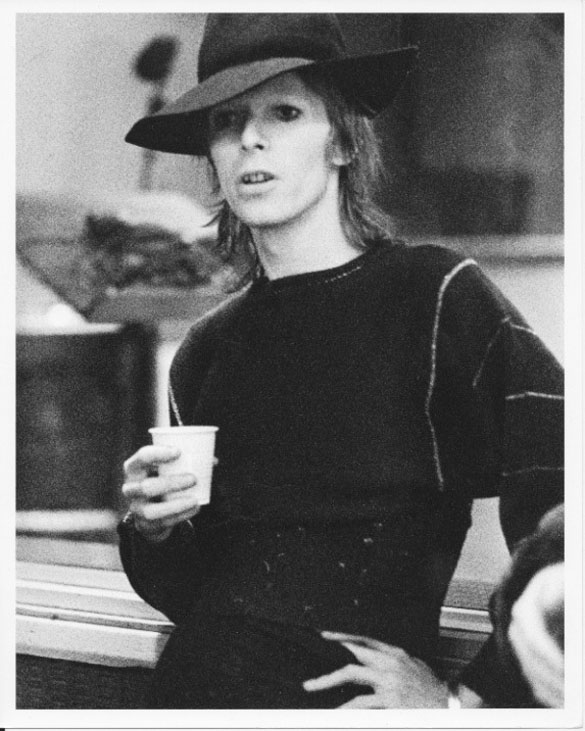
Read my piece on the stylistic changes rung by David Bowie during the early 70s on The Guardian’s men’s fashion pages here.
I discuss his fashion collaborations with Freddie Burretti, Daniella Parmar and Kansai Yamamoto and talk about the Pin-Ups suit from City Lights Studio designed by Derek Morton. Hope you enjoy.
The next instalment of SHOWStudio’s cult magazine series PRINT is an interview with photographer Perry Ogden about the extraordinary circumstances which led him to launch the style magazine Lipstick while he was an 18-year-old attendee at Eton College.
//Lobby card for High School Confidential!, 1958. This is from the opening scene, where Lewis sings the movie’s title track//
Let It Rock was digging in the ruins of past cultures that you cared about. It was giving them another brief moment in the sun. It wasn’t about doing anything new. It was anhomage. It was nostalgia. Malcolm McLaren to Momus, 2002
Forty three years after its creation I can reveal the source of the Jerry Lee Lewis image which appeared on the Let It Rock t-shirt design “The ‘Killer’ Rocks On!”.
It is from a lobby card for Alan Freed’s 1958 rocksploitation flick High Street Confidential!; an original was just one of the pieces of 50s ephemera adorning Let It Rock’s premises at 430 King’s Road in 1972.
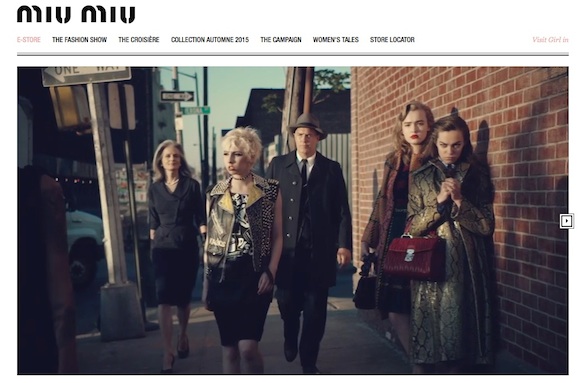
Steven Meisel’s campaign clip for Miu Miu’s autumn/winter 2015 collection tips a knowing wink to Malcolm McLaren and Vivienne Westwood’s 70s label Seditionaries, and in particular the design collage Vive Le Rock/Punk Rock Disco.
Two of Malcolm McLaren’s t-shirts from the very first production run of I Groaned With Pain – the notorious text design produced with Vivienne Westwood in 1974 – will be featured in Eyes For Blowing Up Bridges, the exhibition I am co-curating with David Thorp at Southampton’s John Hansard Gallery this autumn.
I Groaned With Pain is named after the first four words of the paragraph of text McLaren lifted from beat writer Alexander Trocchi’s erotic novel Helen And Desire (published in 1954 by Olympia Press under the pseudonym Francis Lengel).
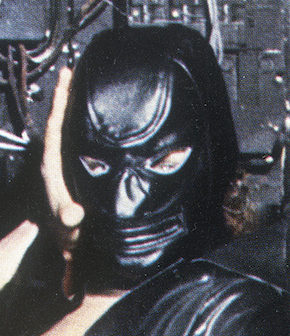
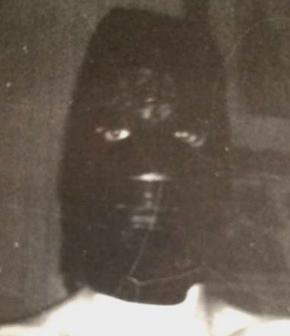
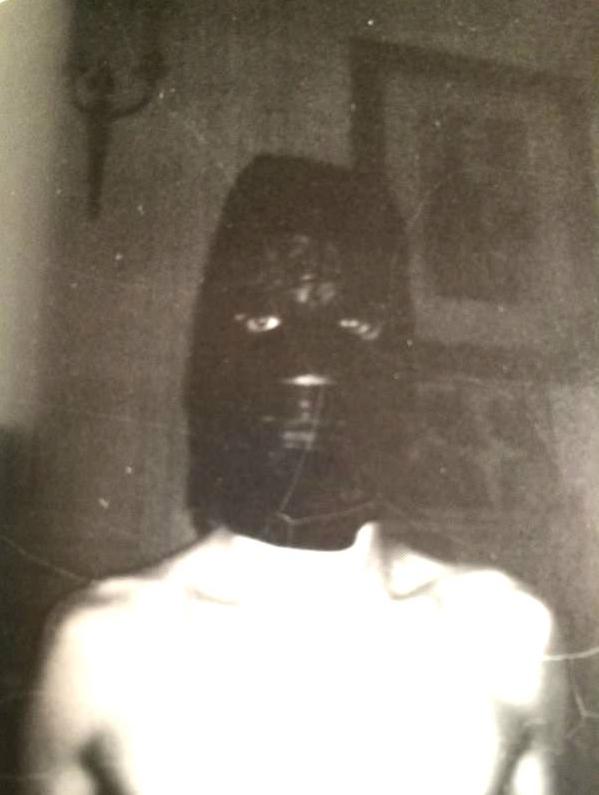
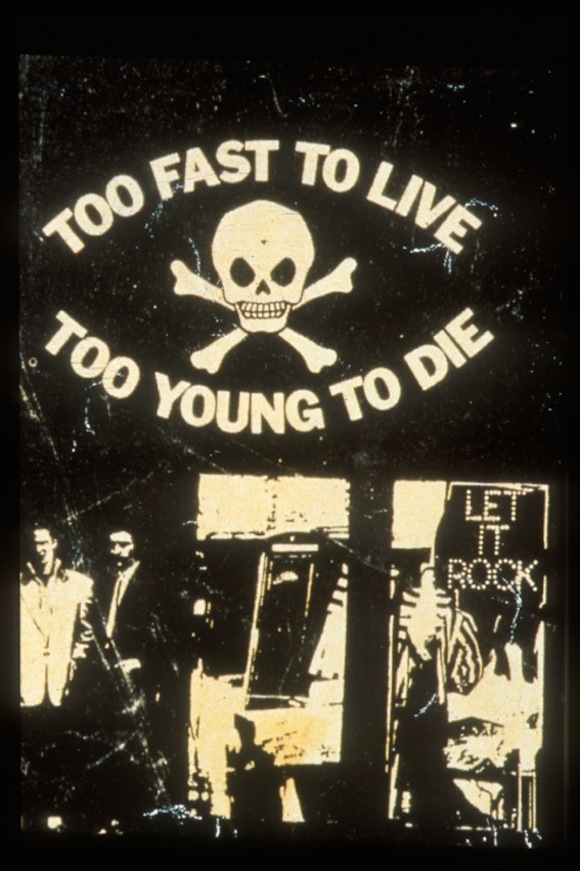
My recent post about David Bowie’s visits in 1974 to 430 King’s Road when it was in its Too Fast To Live Too Young To Die incarnation prompted Facebook friend and DJ Graham “Sugarlump” Evans to alert me to Polaroid photographs of David Bowie trying out make-up, hair and styling options in preparation for his Diamond Dogs tour of the US that year.
// Polaroid taken by Dana Gillespie in New York in 1974//
In one, as Evans points out, Bowie posed in a leather hood of similar style to the model sold at 430 as it was transformed over a period of six months from TFTL to fetish emporium Sex.
//Dorothea Wight picking up groceries in Queens Crescent Market…////…before heading into Studio Prints//
The 1970 BBC documentary At A Printmaker’s Workshop focuses on Dorothea Wight’s fabled Studio Prints in Queens Crescent, Kentish Town.
It is also a marvellous snapshot of London on the cusp of change as inner city areas became invigorated by the arrival of interesting new businesses (with none of today’s dread “regeneration” and its companion property-speak of “creative quartiers” and such).
//Nicholas de Jongh’s front-page report, The Guardian, August 2, 1975////Sex Original-labelled Cowboys t-shirt courtesy Hiroshi Fujiwara Collection//
This month – specifically July 26 – marks the 40th anniversary of the introduction for sale of Malcolm McLaren’s notorious Cowboys t-shirt in Sex, the revolutionary boutique he operated at 430 King’s Road with Vivienne Westwood.
The shirt’s status as the most provocative of all punk designs is enhanced by the fact that it made waves immediately: the same day the shirt went on sale, the first customer to wear it in public was arrested. Within 24 hours, the store itself was raided for indecency.
It is a little known fact that David Bowie was an occasional visitor to 430 King’s Road when it was operating as Too Fast To Live Too Young To Die.
This manifestation of Malcolm McLaren and Vivienne Westwood’s revolutionary boutique – which paid design tribute to the fetishistic studded leather attire of Britain’s early 60s Ton Up Boys and rockers and sold the cult clothing associated with 40s mobsters and Latino zoot suit rioters – succeeded the 50s outlet Let It Rock in the early spring of 1973, as noted at the time by the fashion writer Catherine Tennant in British Vogue.